
The Science Of Play: How Play Supports Your Child’s Brain, Skills And Overall Development
Dr Naveena Karthik
Is a parent circle author...................................
Discover why interactive play is vital for your child’s development. Learn how play supports emotional, social, cognitive, and physical growth, with expert tips from a pediatrician on achieving key developmental milestones
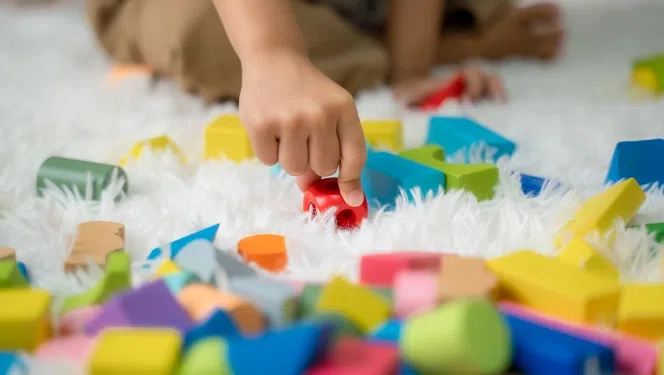
Building a fort, pretending to be a shopkeeper, or chasing a friend in a game may seem to be just children at play. But beneath the laughter and fun, children are developing new skills, strengthening their bodies, learning to manage emotions, and practising how to think, communicate, and connect with others.
With busy schedules, structured activities, and increasing screen time competing for children’s attention, play is worth making space for.
As a pediatrician, I often see the profound impact that play has on a child’s growth. Far more than a way to pass the time, play builds essential skills in children that support their physical, emotional, social, and cognitive development.
Did you know?The American Academy of Pediatrics recommends protecting time for child-led play because it supports healthy brain development, strengthens relationships, and helps children build resilience. |
Why play matters across all developmental domains
Physical development
Active play gives children opportunities to develop strength, coordination, balance, and motor skills. Through running, climbing, or playing with toys, they develop muscle strength, coordination, and balance. Play refines their fine and gross motor skills, laying the groundwork for physical well-being.
Emotional development
Through play, your child learns to express their emotions and manage their feelings. Games that involve excitement or even moments of disappointment help them navigate complex emotions.
Play gives children opportunities to practise coping with excitement, frustration, disappointment, and other emotions in a relatively safe setting. Over time, these experiences can support emotional regulation and resilience.
Social development
Play is integral to learning how to interact with others. Whether negotiating roles in a game, sharing resources, or working together toward a common goal, play is a practice ground for building empathy, cooperation, and communication.
These skills become the foundation for forming healthy relationships throughout life.
Cognitive development
Play gives children opportunities to practise skills such as attention, working memory, flexible thinking, planning, and self-control, important parts of executive function.
These cognitive benefits translate into school readiness and prepare your child for lifelong learning.
Different types of play and their benefits
Children play in many different ways as they grow. Some forms of play encourage imagination and creativity, while others involve movement or help children learn how to interact and cooperate with others. Together, these different kinds of play offer valuable opportunities for learning and development.
Pretend play
When children engage in pretend play, they create imaginary scenarios and take on different roles, such as feeding a doll, pretending to cook, playing shopkeeper, or racing a car.
Pretend play encourages creativity and helps children explore different roles and perspectives. As they create stories and act them out, they also develop language, problem-solving, and emotional understanding.
Free play
In free play, children choose what they want to play and how they want to play it. They may build a fort, explore the outdoors, draw, play with toys, or invent games with their own rules.
Free play allows children to explore their interests, make their own choices, and develop independence. It also gives them opportunities to solve problems, experiment with ideas, and discover what they enjoy.
Active play
Running, jumping, climbing, dancing, cycling, or playing games such as tag are all forms of active play. These activities help children develop strength, coordination, balance, and other motor skills while keeping them physically active.
Active play can also be a fun way for children to take a break from sitting and enjoy moving their bodies.
Solitary and parallel play
Children also spend time playing on their own. In solitary play, they may build with blocks, scribble, draw, or explore a toy independently. This gives them opportunities to concentrate, make choices, experiment, and express themselves.
As children grow, they may begin to play alongside other children without directly interacting with them. This is known as parallel play. They may observe what another child is doing, imitate them, or enjoy playing alongside them. These experiences help children become more aware of others and gradually develop their social skills.
Cooperative play
As children grow, they increasingly begin to play with others and work towards a common goal. Whether it is a team sport, a board game, or role-play, cooperative play teaches children how to communicate, take turns, negotiate, and work together.
These experiences also help children develop empathy and learn to manage disagreements. The ability to cooperate and communicate with others is important not only during play, but also in school, friendships, and everyday life.
Parents don't need to ensure their child engages in every type of play. Give them opportunities to play in different ways and allow their interests and imagination to guide them.
How traditional games support development
Traditional games like hide-and-seek, tag, hopscotch, seven stones, kabaddi, kho-kho, and board games such as carrom and chess encourage thinking and social skills. Children learn to think ahead, remember rules, and make decisions.
Importantly, traditional games encourage face-to-face interaction, movement, and shared play. These games help children communicate, cooperate, and build meaningful relationships.
Play is not a luxury or a reward for finishing some important activity. It is one of the ways children make sense of their world, practise new skills and connect with others.
So, when a child builds an imaginary fort, pretends to run a grocery shop, digs in the garden or invents a game with a friend, they are experimenting, communicating, solving problems, managing emotions, and learning how to interact with the world around them.
Children need time, space, safe environments, and opportunities to play in ways that are meaningful to them. Sometimes, giving them the freedom to play may be one of the most valuable things you can do.
Dr. Naveena Karthik is a Developmental and Behavioural Paediatrician who works with children and adolescents with developmental and behavioural concerns. This article is inspired by the many children she has met in clinical practice who have fewer opportunities for active, imaginative play due to excessive screen use. It reflects her belief that play is not merely recreation, but an essential part of healthy childhood development.
Trusted resources:
American Academy of Pediatrics (AAP) – The Power of Play
World Health Organization (WHO) – Guidelines on Physical Activity, Sedentary Behaviour and Sleep for Children Under 5
UNICEF India – Resources on play and child development
Last updated on: July 02, 2026



























Comments
Edit
Comment Flag
Cancel Update