
Is Your Child Refusing To Eat? Coping Strategies For Loss Of Appetite
Ashwin Dewan
Has your child lost interest in food? It can be difficult to see your child refuse foods that she used to eat earlier. Worse, loss of appetite may lead to health issues. Read on to know more
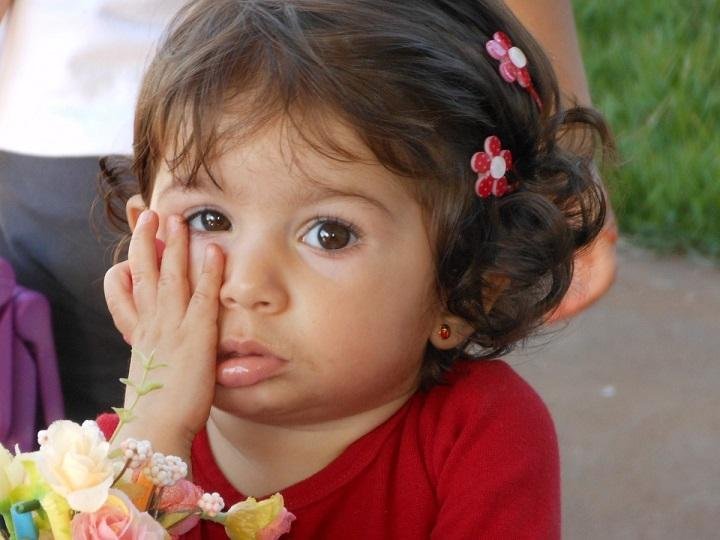
Most parents complain of appetite loss in their children. Often, most children go through a stage where they experience a loss or decrease in appetite. It may be a temporary phase but if your child continues to refuse food for a long duration, it may affect her health. According to LIVESTRONG, occasional loss of appetite in children is nothing to worry about. However, if your child talks about wanting to get thin, you should seek medical care for it may be a sign of physical illness or anorexia.
Reasons for loss of appetite
There can be various reasons for the loss of appetite in children:
Social causes: Stress due to peer pressure, bullying at school, and burden to perform well in exams are some causes. Anxiety, separation from parents or unfamiliar surroundings can also affect the eating habits of children.
Behavioural causes: Children generally refuse to eat when they are preoccupied with watching TV, playing mobile games or other gadgets. Lack of physical activity, over consumption of junk and processed food, and snacking in between meals can also lead to loss of appetite in children.
Medical causes: There are certain health conditions which can also cause a slump in appetite. Intestinal worms, constipation, anaemia, hypothyroidism, infections or chronic illnesses like tuberculosis can lead to loss of appetite in children.
Slow growth rate: MomJunction says one of the reasons for a child's loss in appetite can be a slow growth rate, especially after the first year. Children grow rapidly till they are a year old, after which growth of the child slows down and she may eat less food.
Sickness: A sick child has no interest in food. If your child is suffering from a sore throat, stomach flu, diarrhea, headache, fever, and other illnesses, she may eat less that her normal diet.
Number of meals a child should eat every day
Children, especially toddlers, can be extremely picky at times. Parents should maximize their nutrition by including short meals after regular intervals. Keeping this in mind, a toddler can have 4-6 meals per day.
Loss of appetite, symptom of anaemia or iron deficiency
Is your child suffering from a loss of appetite? It can be a symptom of anemia. Iron supplements should be included in child's diet to improve deficiency of iron. If anemia persists, immediate consultation with a specialist is required for further investigation.
According to MAYOCLINIC, although iron deficiency anemia often goes unnoticed due to its mildness, over time as the body becomes more iron-deficient and the anemia worsens, it can lead to several symptoms of poor health including loss of appetite.
When you should worry about loss of appetite in your child
Parents should consider loss of appetite in children seriously in the following cases:
- Significant loss of weight
- Decreased performance in school leading to low grades
- Excessive irritability, drowsiness
- Breathlessness or exertion
- Swelling in eyelids, legs
- Loss of appetite accompanied with fever, loose stools, and blood in stools
Stress and peer pressure can cause loss of appetite in kids
Peer pressure and stress related to studies or performance in exams can lead to loss of appetite in children. During their growing up, especially during teens, children have to cope with a lot of things such as academics, sports and peer pressure that can put stress on them and put off their interest in food.
Deworming is important
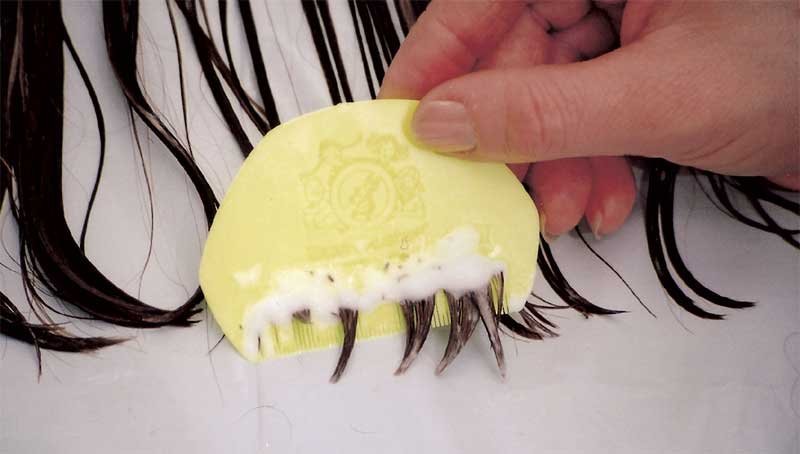
It is necessary for parents to deworm children as they are constantly exposed to contaminated surroundings in school, playground and restaurants. Give your child deworming medication in consultation with an expert. Children in the 1-19 age group should be dewormed every 6 months.
As parents, we all want our children to eat food high in nutrients. However, lack of proper knowledge can make us choose the wrong food diet for your children. This ClipBook looks at some nutrition and food myths.
With inputs from Dr SP Senthil Kumar, Consultant Paediatrician, Neonatal & Cardiac Intensivist, Columbia Asia Hospitals, Bangalore.






















Comments
Edit
Comment Flag
Cancel Update