
Important Facts That All Parents Should Know About Eye Exams For Kids
Aaron Barriga
author parentcircle author parentcircle author parentcircle author parentcircle author parentcircle author parentcircle
Good eyesight is essential to overall health and wellness, but have you ever considered the importance of eye exams for children?
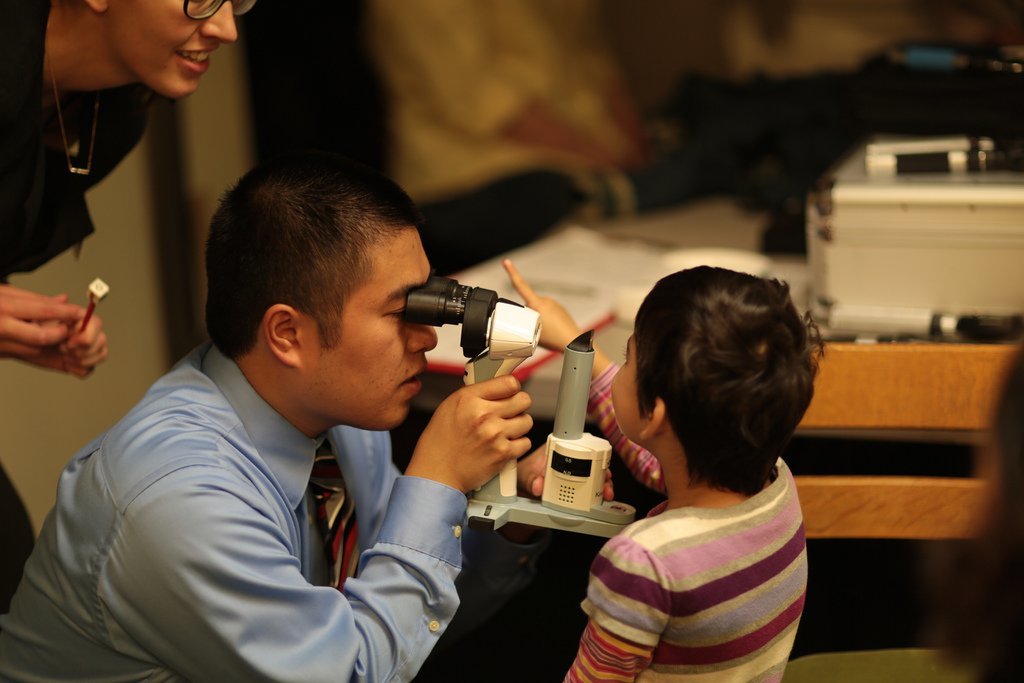
Loss of vision not only affects your child's growth and development but can have a serious impact on her performance in school, sports, social activities and other aspects of life. If you want to help your little one reach his/her full potential, it's important to schedule eye exams from an early age!
Here are a few things you should know about kids eye exams:
1.Statistics about childhood vision problems in India are scary:
- An estimated 2-3 lakh children under the age of 16 suffer from severe vision impairment or blindness (0.8/1000 children).
- An estimated 41 per cent of children under the age of 18 need visual correction but do not receive treatment.
- Close to 15,000 children are in schools for the blind.
- Around 50 per cent of childhood blindness is preventable or treatable.
2.Eye exams should start at 6 months of age:
You should schedule a vision examination for your child at 6 months of age, when they turn 3 years of age, and then every 2 years. However, schedule annual exams if your child has existing vision problems or risk factors such as:
- Premature birth
- Developmental delays
- Crossed or turned eyes
- Family history of eye disorders
- Eye injuries in the past
- Other medical issues
3.Your child's vision changes as they grow:
- A child's visual development starts in the womb, and infants can only focus 8-12 inches for the first few weeks, moving their heads instead of eyes.
- Independent eye movement, eye coordination and tracking usually begin after a couple of months.
- By 4 months, they can see in full colour. They start learning hand-eye coordination by the age of 6-8 months.
- Your child's visual perception has developed by the time they are a year old, and continues during preschool years.
Worried about your child's eyesight? Go through the below article to know about 10 simple eye exercises your child can do to improve his eyesight.
4.Your child may not recognise a vision problem:
Children rarely complain about vision problems, either because they don't notice changes in eyesight or don't think they are important. Parents and teachers may ignore warning signs of vision issues as well, or mistake them for behavioural problems.
Here are some signs and symptoms to watch for:
- Sitting too close to the TV screen
- Holding books too close
- Using a finger to guide the eyes
- Losing their place while reading
- Skipping or reversing letters/words while reading or writing
- Tilting their head, squinting or closing one eye to see better
- Frequent headaches, nausea, and painful or tired eyes
- Avoiding near vision tasks such as homework or reading
- Avoiding distance vision tasks such as sports or outdoor games
- Increased light sensitivity, eye rubbing, blinking or tearing
- Drop in grades, concentration, comprehension or hand-eye coordination
5.Regular vision screenings prevent serious issues:
Paediatric eye exams at an early age allow congenital issues and refractive errors to be detected and corrected before they get serious. An eye doctor can test for vision problems and provide treatment, preventing loss of vision in childhood and reducing the chances of a problem later in life.
Childhood vision problems commonly include:
- Refractive errors such as myopia (nearsightedness), hyperopia (farsightedness) and astigmatism. These can be corrected with glasses or contact lenses.
- Eye infections such as conjunctivitis (pink eye), which generally clears up in 2 weeks but can turn into corneal inflammation and cause vision loss in some cases.
6.Comprehensive eye exams are crucial:
Along with determining if children need corrective glasses or lenses, comprehensive eye exams can also help with the detection of eye diseases and other problems. Various tests check everything from vision quality and eye health to the structure of the eye. These may include:
- Visual Acuity tests for sharpness of vision
- Visual Fields tests for peripheral vision issues or blind spots
- Cover Tests for binocular vision problems or strabismus
- Retinoscopy/autorefractor/aberrometer tests for prescription
- Refraction tests for refining prescription
- Glaucoma test for measuring eye pressure
- Slit Lamp test for eye health assessment, checking for common eye diseases
- Pupil dilation and ophthalmoscopy to check the retina, optic nerve and blood vessels
Eyesight can be remedied through corrective measures but nurition can also play an important part. Learn how by going through this ClipBook.
7.Preventive measures can help protect your child's eyesight:
As a parent, you can teach your child good eye care habits that will help them enjoy healthy vision throughout their lives.
Here are some eye health tips to keep in mind:
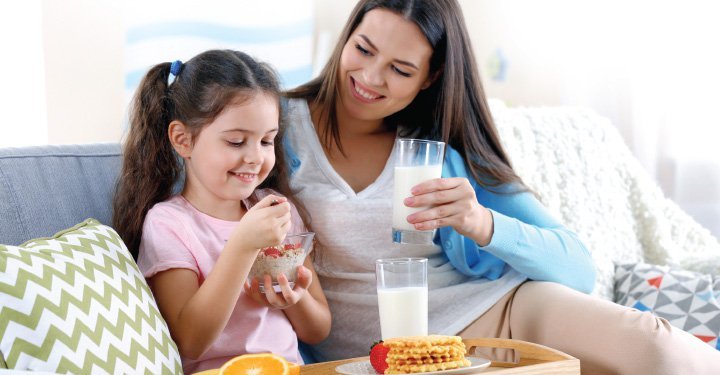
- Maintain a healthy balanced diet with plenty of fresh fruits and vegetables.
- Make sure your child wears sunglasses with 100% UV protection outdoors.
- Avoid exposure to strong chemicals in cleaning products, sharp objects, etc.
- Teach children to wash their hands, and avoid rubbing or touching their eyes.
- Encourage the use of protective eyewear during sports and high-risk activities.
- Provide sufficient natural light for reading, computer usage and homework.
- Ensure that your child takes frequent breaks while using the computer or TV.
Concerned about your child's nearsightedness? Learn about causes, symptoms, and effective treatments today
























Comments
Edit
Comment Flag
Cancel Update