
Papaya Health Benefits, Side Effects, and Nutritional Value for Babies
Leena Ghosh
Papaya, with its sweet taste and soft texture, is an ideal food for babies. Read on to learn why it's a great choice for your little one
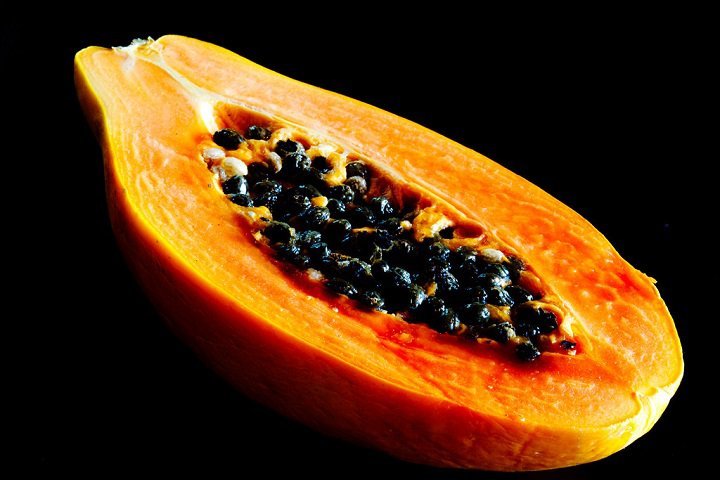
Whether you offer it raw or make a puree of it, papaya is a fruit that can be adapted to any form of dish you want to make for your little one.
What's more, this fruit has numerous health benefits and is one of the top picks by mothers to introduce as a first food to their babies.
Health benefits of papaya for babies
There are several benefits to eating this fruit. Here are some of them:
Boosts immunity
Because papaya boasts of a high quantity of Vitamin C, it helps in building the baby's immune system. Babies are often prone to colds and coughs and foods rich in vitamin C, like papaya, help prevent them from falling sick often and make them stronger as well.
Improves eye and skin health
Vitamin A is also known to be good for the eyes. Papaya helps in preventing eye illnesses and boosts good eyesight. The fruit is also known to improve skin and hair health because it contains Vitamin A.
Prevents anemia
Papaya is rich in iron, which helps in increasing the red blood cell count. In the early years, it's crucial to give a child iron-rich foods to build her hemoglobin count and prevent health conditions like anemia.
Heals skin rashes and burns
Papaya pulp is known to have medicinal properties that help soothe skin sores, rashes, and burns. This is because of the presence of Vitamin A. When papaya pulp is applied to minor rashes, it reduces the burning sensation.
Helps digestion
One of the advantages of giving papaya to your baby is it helps in digestion. This is because of the presence of the enzyme papain which assists in the digestion of food. If the fruit suits your baby, try to give it to him in small quantities regularly.
Ensures proper bowel movement
Kids often suffer from constipation because, at a young age, their bowel movements are not regular. Papaya helps treat constipation as it is high in fiber which ensures regular bowel movements. This also reduces bloating in children and helps build their appetite.
When can you start giving papaya to babies?
Papaya can be introduced to a baby early on, but only after he is able to digest semi-solid foods like mashed bananas. You can introduce papaya to your baby when he is around 7 or 8 months old. Start by giving him small quantities to see if he has an allergic reaction to it. If not, you can add the fruit to his diet in measured quantities regularly.
When to give papaya leaf juice to a baby?
The papaya leaf juice has been known to have medicinal properties. It is especially effective in increasing the platelet count which is affected when an individual contracts dengue fever. According to a study by BK Srikanth et al, published by Pediatric Health, Medicine and Therapeutics (2019) Carica papaya leaf extract was shown to 'significantly increase the mean platelet count in thrombocytopenia associated with dengue fever in pediatric subjects'. The syrup was also well tolerated by them.
Papaya puree for babies
Papayas are the ideal food to give to babies whose teeth are yet to emerge because they are sweet and easy to mash into a smooth puree.
How to make papaya puree
- First, pick ripe papaya. To check if the papaya is ripe, apply a little pressure on the papaya skin. It should give in slightly. Ripe papayas also give off a sweet aroma. They are yellowish-green in color on the outside, and reddish-orange on the inside.
- After thoroughly washing the papaya, peel the fruit and scoop out the seeds with a spoon.
- Wash the fruit again and cut it into small pieces.
- Put the pieces in a blender or a food processor to puree it. Add water (boiled and cooled) to get the desired consistency.
- Papaya puree is ready.
Food ideas with papaya for kids
There are many benefits of papayas for babies. Here are some interesting ways you can introduce the fruit to your little one.
For 7 to 8-month-olds
- Papaya puree
- Papaya and banana puree (or mashed)
- Papaya and yogurt smoothie
- Papaya and apple puree
- Papaya and boiled potato mash
 Papaya and mango smoothie
For 9 to 11-month-olds
- Ripe papaya cut into small cubes
- Papaya juice
- Papaya and mango smoothie
- Papaya, sweet potato mash
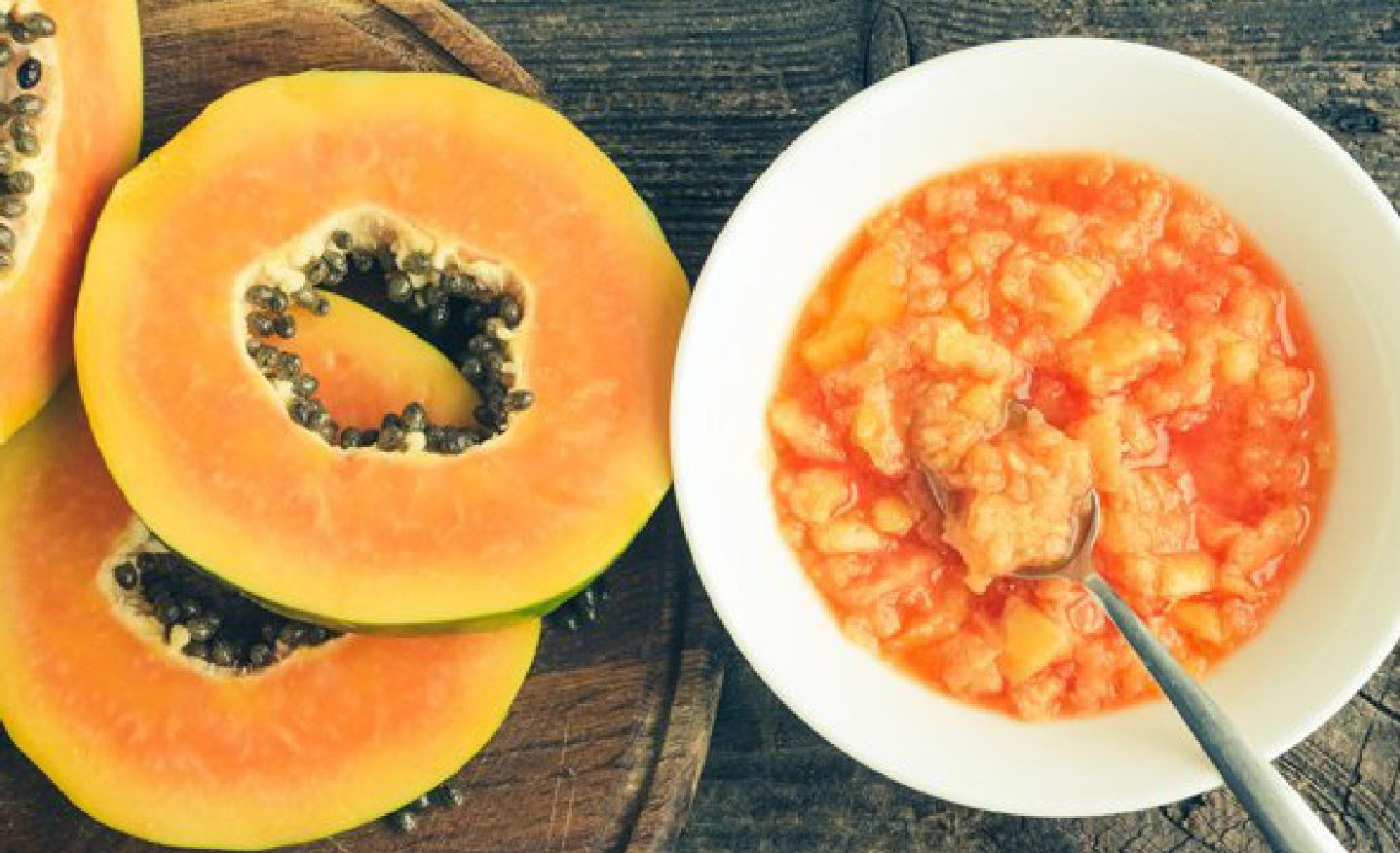
For 1-year-olds
- Papaya with sticky rice
- Boiled spaghetti with papaya topping
- Papaya and boiled carrots salad
- Papaya and peach salad
- Papaya, banana pudding
For 2-year-olds
- Papaya fruit salad
- Papaya vegetable salad
- Papaya curry with rice
- Nachos with papaya dip
- Cottage cheese cooked in pureed papaya
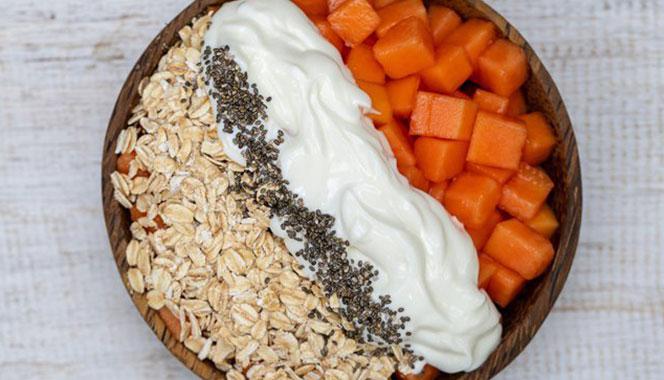
- Papaya and oats
- Papaya, carrot, peas, and cheese lasagne
Side effects of papaya
While papaya has many health benefits, it can cause certain allergic reactions as well. The following are some of the side effects of eating papaya.
- Allergic reaction: If your child is sensitive to latex, he could develop an allergy to papaya. Allergic reactions to papaya manifest as itching, headache, facial swelling, or rashes. So, consult a doctor immediately if your child shows any of the above symptoms after consuming papaya.
- Stomach upset: Papaya is high in fiber, so over-consumption can cause an upset stomach. Eating papaya can also cause stomach irritation, bloating, and stomach pain in some cases.
- Respiratory issues: Those allergic to papaya, especially to the enzyme papain, can experience wheezing or breathlessness.
It's important to introduce new and healthy foods to your little one. And, healthy and tasty fruits like papaya are always a great choice. However, children can sometimes develop allergies to certain food items. So, it's always a good idea to observe your child for 24 hours, once you have introduced any new food.



















Comments
Edit
Comment Flag
Cancel Update