
Oats for babies: A highly recommended food for babies ready to be weaned
Shiny Lizia M
Many young parents today are confused and curious to understand how oats affects their kid's health. Should oats be included in their diet? Is it good for babies? Find out in this article!
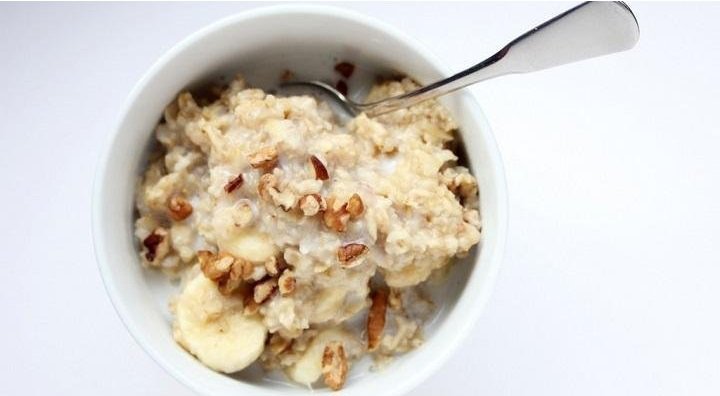
Anu had been to her son Rohit's playschool to meet his teacher when she overheard some parents enthusiastically discussing oats. While some parents were talking very positively about the health benefits of oats, others weren't.
Anu didn't participate in the discussion; merely listening to the debate spurred her curiosity. Now, she wanted to look at the real picture.
As soon as she returned home from school, she went on the internet and started searching for some more information on oats. Like most online searches, this one also resulted in a host of contradictory information. On the one hand, Anu read that instant oatmeal, usually consumed with a lot of sugar and milk, leads to weight gain in most children. On the other hand, certain websites recommended consuming oats for weight loss. This left Anu wondering what the right choice was. Are oats good for babies and kids?
Are you another Anu, wanting to know whether oats are good for your baby? Are you worried about whether your little one can digest oats? Will it lead to obesity in your child? If you're plagued by such doubts, then this article is for you.
Oats for babies
You will agree that the toddler age group is characterized by constant activities. It is a stage when babies require nutrient-dense foods to meet their increasing energy levels. Compare oats with other traditional foods like rice, barley, buckwheat, and wheat, and oats win hands down because of their impressive nutritional profile. In fact, the Whole Grains Council states that oats enhance the nutritional value of a diet by providing the required dose of fiber, vitamins, minerals, and antioxidants. The Council also recommends oats as the number one food for breakfast in terms of 'feeling satisfied and full'.
Looking for more reasons to include oats in your baby's diet?
Health benefits of oats for babies
Oats is a unique cereal. It consists of a large number of total proteins, carbohydrates, dietary fiber, vitamins, and minerals.
| Nutrition properties | Benefits |
| A reliable source of calcium and phosphorus | Helps in building bones |
| Rich source of iron | Helps to improve hemoglobin |
| Extrem source of magnesium | Helps in energy generation and also plays a role in bone and dental health |
| High in potassium and sodium | Helps in maintaining electrolyte balance in a child's body |
| Filled with zinc | Helps in brain development |
Oats also contain vitamins like thiamin, niacin, and vitamin E (tocopherols), which have antioxidant properties. It is an excellent source of fiber. It has wound healing properties and enhances gut health. Oats have also been proven to decrease the risk of asthma in children.
Nutritional value of oats, raw (per 100g)

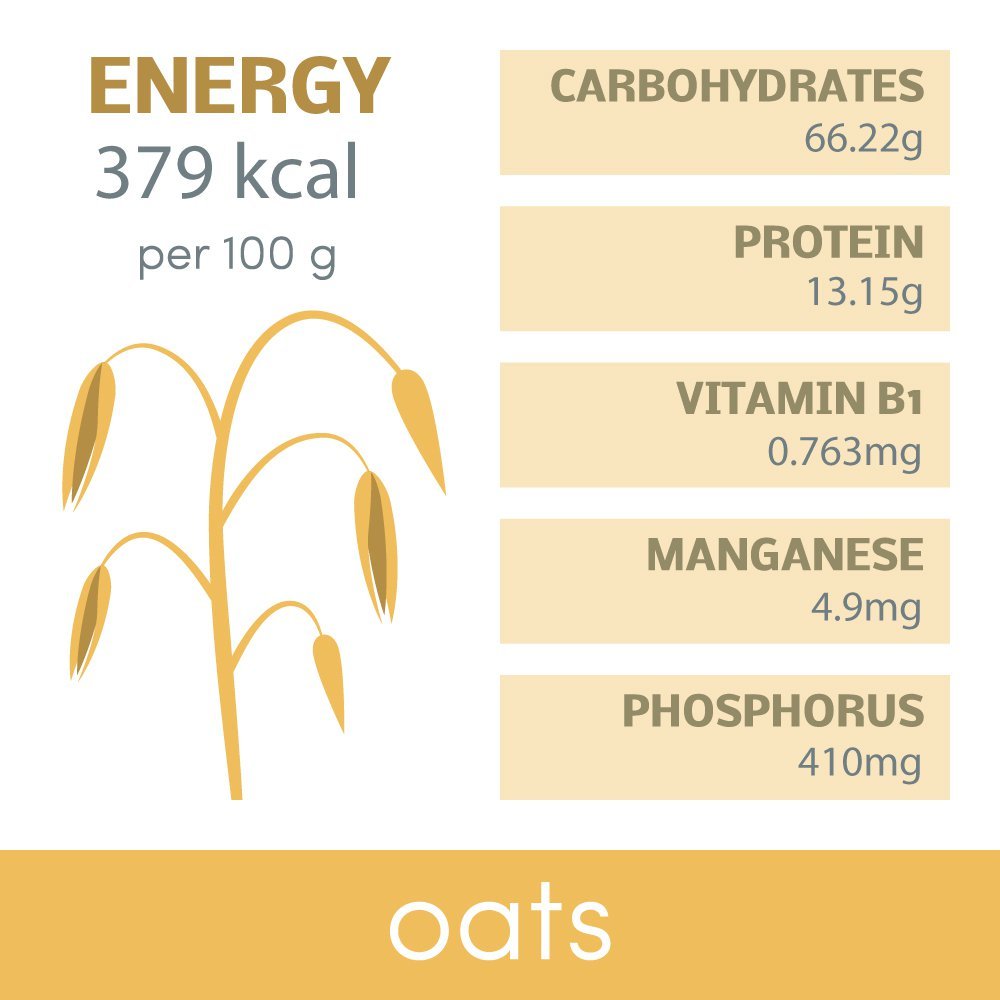
Oats nutrition facts and calories
| Nutrition facts | Per 100g |
| Energy | 379 kcal |
| Protein | 13.15g |
| Fat | 6.52g |
| Carbohydrate | 66.22g |
| Fiber | 10.1g |
| Sugar | V0.99g |
| Calcium | Ca52mg |
| Iron | Fe4.25mg |
| Magnesium | Mg138mg |
| Phosphorus | P410mg |
| Potassium | K362mg |
| Sodium | Na6mg |
Data based on USDA (United States Department of Agriculture) - National Nutrient Database for Standard Reference
When can you start oats for babies?
Complementary feeding plays a crucial role in meeting the nutritional demands of your child when he is experiencing a transition in his feeding pattern. Oats are an ideal choice while introducing solid foods to your baby after six months of exclusive breastfeeding. Starting from this stage onwards, oats make for nourishing meals, especially breakfasts, all the way to toddlerhood.
The recommended amount of oatmeal intake per day according to the dietary guidelines for Indians issued by the National Institute of Nutrition, 2010
| Cereal quantity and portions | Age group |
| 15g per day | 6-8 months |
| 30g per meal (2 portions a day) | 1-3 years |
| 30g per meal (4 portions a day) | 4-6 years |
Digestion of oats
Oats are high in soluble fiber which makes it easy for your baby to digest. Fiber improves gut health by allowing your baby to pass gas easily and by adding bulk to the stools, thereby preventing constipation. Toddlers who suffer from gastroesophageal reflux and colic experience significant pain and discomfort on eating. Oats can prove to be a good remedy to reduce these symptoms.
Oats allergy in babies
Generally, oatmeal makes good first food for babies, since it has a low risk of causing an allergic reaction. However, it could cause an allergic response as a side effect, particularly if it is contaminated with wheat gluten. Hence, when you introduce oats to your baby for the first time, keep an eye out for the following symptoms: gastrointestinal complaints, hives, rashes, diarrhea, vomiting, and breathing difficulties.
Types of oats
Based on the degree of processing it undergoes, oats can be classified into the following categories:
- Raw oats
- Whole oat groats
- Steel-cut oats
- Scottish oatmeal
- Rolled oats (old-fashioned)
- Instant oats
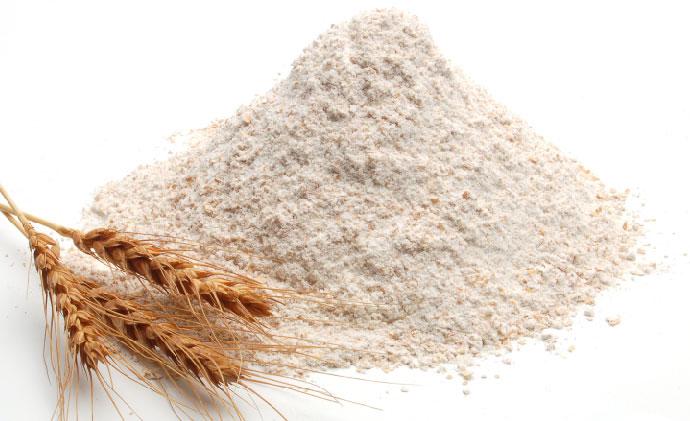
- Oat flour
In India, rolled oats and oat flour are commonly available. However, processed and pre-packaged oats may be high in sodium and sugar. It may also have lost some of its vitamins and minerals due to mechanical processing. Before buying oats for your kid, read the nutrition facts label on the packet. When you introduce oatmeal to your baby for the first time, do not add any fruit, vegetable, or herb so that you can identify whether your baby is allergic to oats.
Oats porridge for babies: How to make it healthier
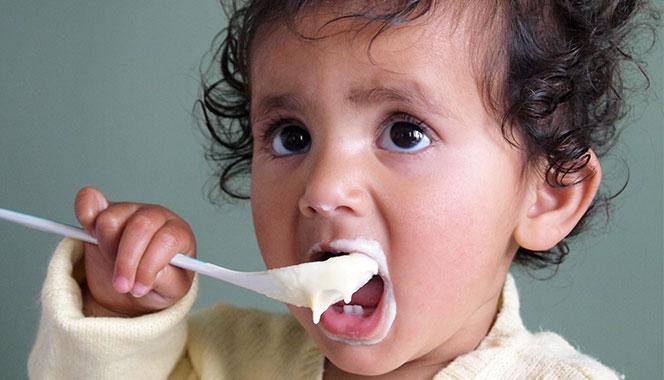
Oatmeal is the porridge made by cooking oats in water or milk with salt or sugar. If your toddler needs a finer, smoother texture, puree the already cooked oatmeal. When preparing oatmeal for your toddler, add a sufficient quantity of water to ensure the oats are cooked well. If your kid is able to digest oats, start adding fruits, vegetables, yogurt, or meat. Addition of:
- milk to oatmeal increases its protein and calcium content
- curd/yogurt to oatmeal increases its protein, calcium content, and probiotic benefits
- fresh fruits like apple or banana to oatmeal for the younger children and strawberries, chikku, and mangoes to oatmeal for the older ones improve their vitamins, minerals, antioxidants, and fiber content
- nuts such as almonds and walnuts in powder or paste form, and dried fruits like raisins, prunes, and berries to oatmeal improves its flavor, healthy fatty acid profile improving your kid's brain health, and heart-healthy antioxidants
- honey or jaggery instead of sugar will make the oatmeal sweet while retaining its goodness.
Oats recipes for babies and kids
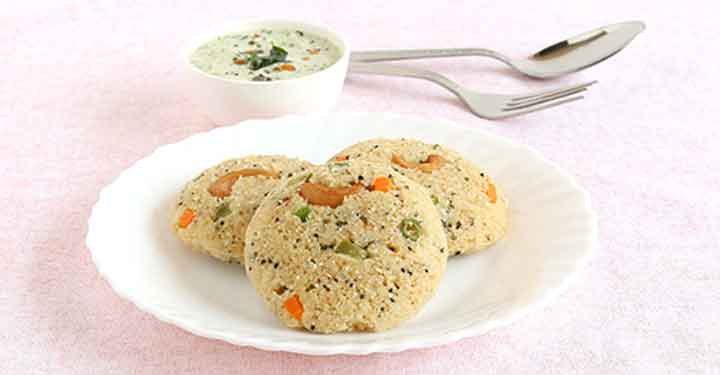
If you'd like to try a traditional dish made by substituting rice with oats, check out this yummy idli recipe.
Ingredients
|
Method
- Soak oats in water for 30 minutes.
- Soak urad dal separately for 30 minutes.
- Grind the two separately.
- Mix them together with the grated carrot. Add the required amount of salt.
- Temper mustard seeds and Bengal gram dal. Stir well.
- Grease the idli molds. Pour the batter into the molds and steam in an idli cooker till done. Allow it to cool.
- Remove the idlis from the molds. Serve with a chutney that your toddler likes.
Give your child a bowl of oats for breakfast to keep her feeling full and to provide her with the energy to sail through the day happily.
With all the running around they do, most children have a healthy appetite. Include whole grains in their diet so that they feel fuller for a long time and get their dose of daily nutrition.






















Comments
Edit
Comment Flag
Cancel Update