
Is it common cold or flu? Differences, myths and facts explained by a pediatrician
Monali Bordoloi
Does your child have a cold or flu? If you are confused about the symptoms, don't worry. Leading pediatrician Dr Rajath Athreya tells you how to distinguish between the two
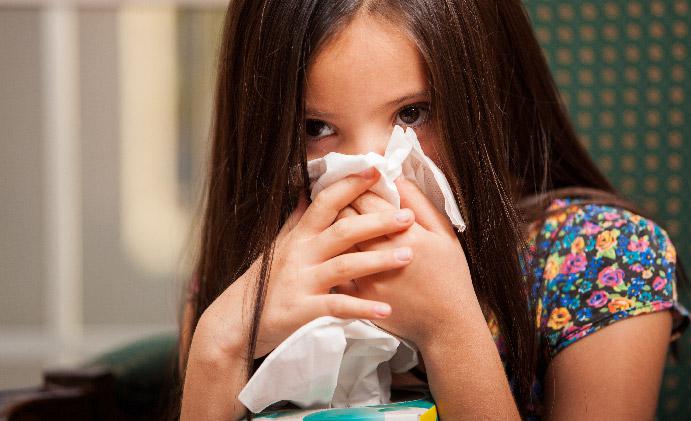
As the weather changes during monsoon, and there are temperature variations, many children tend to fall sick. This is the time when little ones are susceptible to the common cold and influenza.
Children below five years of age are the most vulnerable to a cold or flu attack. Parents may often confuse the two, as the symptoms for both are similar. If your child has a persistent sneeze or is running a fever, how would you know if they have a cold or are affected by the influenza bug? What would you do if your child develops a high fever? What is the treatment for influenza?
To get answers to all these questions and more, we spoke to Dr Rajath Athreya, a leading pediatrician and neonatologist from Bengaluru.
Is it cold or the flu?
Influenza or flu, as it is commonly known, is a highly contagious, viral infection involving the respiratory passage. The common cold is a milder infection of the upper respiratory tract, also caused by a virus. If your child has a flu attack, just like in the common cold, he would have a sore or itchy throat and fever. Often children with flu may have headaches, body aches, and ear pain. Most parents find it difficult to distinguish between a common cold and flu, as both have similar symptoms. So, how can you identify the illness?
According to Dr Rajath Athreya, here are some signs to look out for:
- In a flu attack, there is a sudden onset of high fever. In the case of a common cold, your child will have a runny nose first, and then in a day or two, they may develop a mild fever.
- When your child has a common cold, they may recover in one or two days; but in a flu attack, your child may take around one to two weeks to get better.
- If your child is attacked by the influenza virus, they may become weak and tired. Your child will be forced to stay in bed.
- Children with flu tend to be less active and may complain about body and stomach aches.
Dr Rajath says, "Flu can be quite serious for children with chronic medical conditions like asthma, respiratory diseases, and heart ailments. They need to be under medical supervision to get well. If your child is less than two years old and is under treatment for an ailment, a flu attack can make them seriously ill. Immediately seek your doctor's advice in such a situation."
Prevention is the best treatment
"There is no specific treatment for influenza. Make sure that your child is taking enough fluids and getting rest. You can treat the high fever with over-the-counter medicines. Your child might need 5-7 days to recover fully. Some children may take longer than that. Even after recovery, your child might feel tired and drained for a few days. Children take time to get back to their regular activities. We prescribe antiviral medicines only when there is an outbreak and it needs to be contained."
Myths and facts
| Myth #1 Many children lose their appetite when they have the flu. Parents believe the child should be given fluids and bland food. |
Fact: Dr Rajath says, "Most parents of children with flu ask the doctor about the foods for the sick child. There are absolutely no restrictions on food. Make sure he is getting enough fluid."
| Myth #2 Taking vitamin C supplements will make your flu and cold symptoms go away. |
Fact: Dr Rajath explains, "There are not sufficient studies to prove that. However, taking vitamin C won't hurt."
| Myth #3 After a flu attack, your child can join school within 3-4 days. |
Fact: Dr Rajath says, "Generally, the virus is most infectious in the first five days of the disease. So, your child can resume school after 5-7 days of a flu attack. However, some children take a longer time to recover. In case of a common cold, your child may resume school sooner."
| Myth #4 You cannot prevent influenza with a vaccine. |
Fact: Dr Rajath assures, "There are vaccines available for flu. However, as these viruses change their behavior often, children below five years must get a flu shot every year. Right now, we encourage children below two years to get vaccinated first at six months and then again in the second year."
Tips to prevent cold and flu
- Teaching your child about washing hands will go a long way in preventing the disease. Always make sure that your children wash their hands before eating.
- One of the most common ways of spreading the disease is through sneezing. Teach your child to sneeze into a tissue and discard it after that. If they sneeze into their hand, your child needs to wash their hands with soap before touching any surface.
- Do not expose your child to a person who already has flu.
- Encourage your child to use a hand sanitizer, when hand-washing is not possible.
- Wipe the surfaces commonly touched by your child, like his study table, doorknobs, and cupboards. with a disinfectant.
- When there are too many cases of flu being reported, avoid going to crowded places with your child.





























Comments
radha Jan 18, 2019
Edit
Comment Flag
Cancel Update