
5 Yoga Games For Kids: How To Make Yoga Asanas Fun And Engaging Through Play
Rohini Manohar
Make yoga exciting for your child with these fun and interactive yoga games. These yoga activities and exercises for kids promote movement and build focus. Let your child enjoy the benefits of yoga through play, as it contributes to their physical and mental well-being
- 68.9K
- 1
- 1
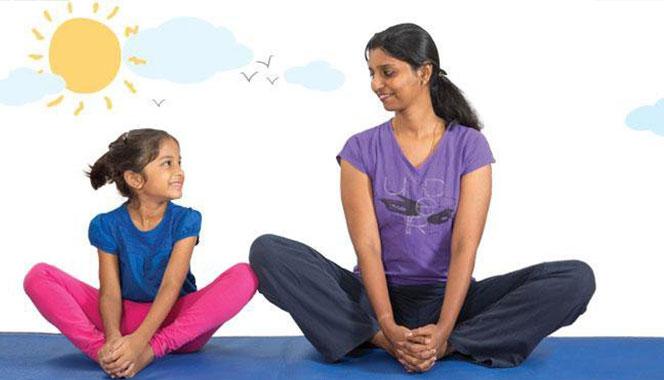
Children today spend much of their time sitting in classrooms, completing homework, and engaging with screens. Activities that encourage movement, mindfulness, and relaxation can support their overall well-being.
If you want your child to move, breathe, focus, and relax, then introduce them to yoga. Regular practice can support their flexibility, balance, body awareness, and emotional well-being. It can also help your child slow down, manage stress, and build healthy habits.
Many parents are keen to introduce yoga to their children. However, children easily lose interest when it is taught in a structured or repetitive manner. Instead, you can make yoga for children fun, interactive, and engaging through play, storytelling, and movement.
That is why children enjoy yoga games, where they naturally learn different postures, breathing techniques, and mindfulness skills.
Here are some simple and exciting yoga games you can play with your children to make yoga a joyful part of their daily routine.
Why yoga games work so well for children
1. Yogi Says
This is a simple game. It works much like the game Simon Says.
- You can say, "Yogi says flap your legs like a butterfly," and get your child to come into the Badhakonasana pose.
- Next, try saying, "Yogi says be as still as an eagle," and get the children into the Garudasana pose.
- Continue using both English and Sanskrit names to keep the children guessing as to what might come next. Interesting? Try it now.
2. Yoga Pictionary
You can play this game with your family or a group of children.
- Form two groups, A and B.
- Whisper the name of an asana to Group A. For instance, "Dhanurasana" (bow pose).
- Ask them to draw the asana or mime it to Group B.
- Most often, they may not get the posture right, but it will surely be a lot of fun.
3. Partner Yoga
Imitating yoga poses is another wonderful way to mix things up.
- It keeps the session interesting, encourages cooperation, and builds problem-solving skills.
- You don't have to get too fancy—a side-by-side tree pose or back-to-back easy-seated pose is usually enough to keep things interesting.
4. Let's Freeze
This game works much like the 'lock and key' game.
- One child is named the catcher.
- Get the children to run around.
- When the catcher touches a child, that child must freeze in a yoga posture until someone else taps and releases her.
5. Complete the Mantra
Chanting mantras is naturally soothing to children, helping them calm down easily.
- After a session of yoga games, chant a few mantras.
- Start the chant and allow the children to chant the whole mantra. Children enjoy completing the mantra.
Yoga for children: How to get startedMotivate your child: Little children love to observe and imitate adults. Let your child observe your yoga sessions at home. They may not strike the perfect pose, but the joy of doing a new activity is enough to get him hooked. Enroll in a yoga class: Enroll your child in a neighbouring yoga class. Follow up with fun yoga games at home. Attending yoga classes along with friends could be another motivation for your child. Follow a video class: There are plenty of videos online that demonstrate simple yoga poses for beginners. Choose reliable sources and teach your child the basics. Remember, it is always recommended to learn yoga under the watchful eyes of an expert. If you want to learn by watching videos, then make sure you choose very simple poses. Watch your child's breathing pattern. |
Yoga is important, but try to make it fun for children. While the goal is to establish structure and routine, remember to give plenty of space for creative expression.
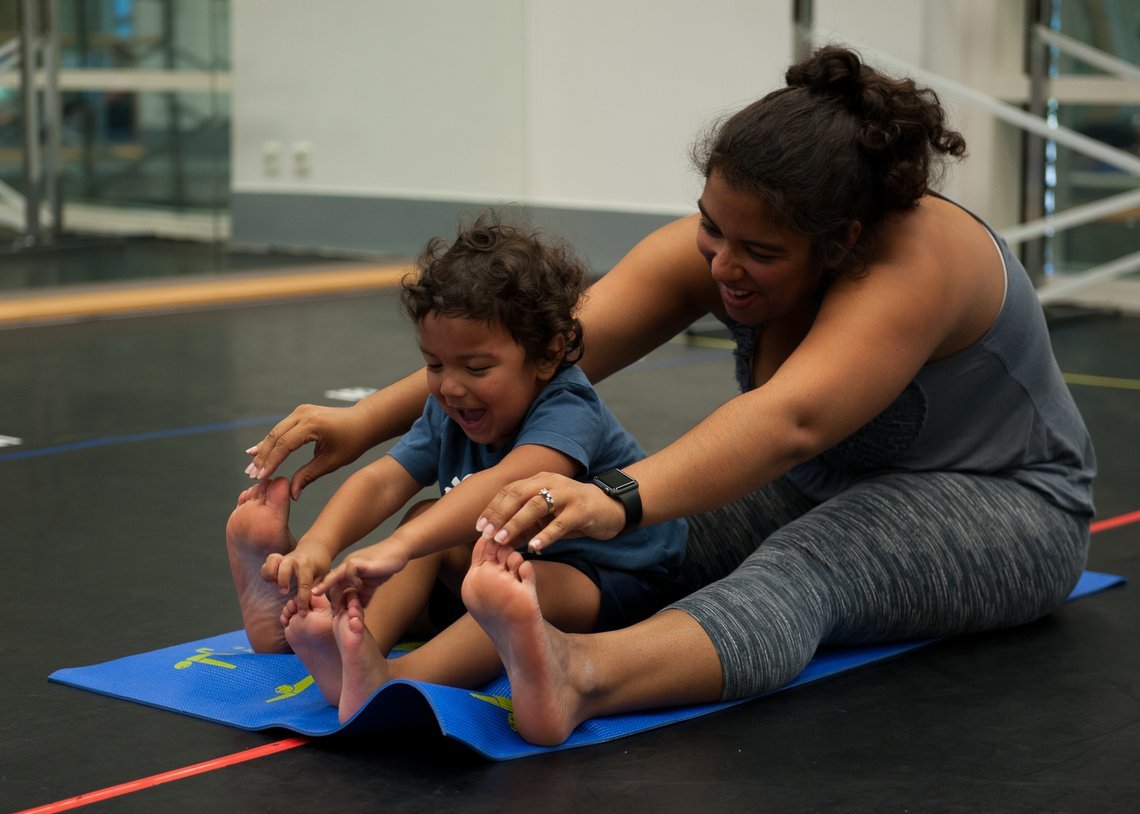
Make fitness and bonding time more exciting with parent-child yoga poses! Explore fun, easy yoga activities that help strengthen your connection with your child while improving flexibility, focus, and relaxation.
Last updated on: June 03, 2026
In The Dot movement and coordination program for pre-primary children yoga and balance and coordination activities are woven into all the areas of learning. The movement group activities foster social skills of teamwork and cooperation. The structured approach to motor skill development helps children discover their own strengths and abilities.























Comments
Standard Cold Pressed Oil Jul 29, 2019
Edit
Comment Flag
Cancel Update