It is that time of the year again! When both parents and children get highly anxious and stressed.
Exam time stress and food habits: What parents should know
Endless hours of studying, students skipping breakfast so they can study a little more, and eating a lot of snacks and sugary beverages while studying, all of which only do more harm than good.
But is there a healthier way to handle this entire phase? Are there certain dos and don'ts for parents? Are there any healthy brain foods for students that could enhance their memory during the exams? Can parents regulate their children's food habits or introduce an exam diet plan?
Well, certainly yes! Here are some important and helpful nutritional tips to keep in mind during exam time
Brain foods to improve memory during exams
Say 'yes' to hydration during exams
Hydration is of prime importance. Drinking three to four liters of water per day helps maintain high energy levels, prevents dehydration, and provides mental clarity. Give your child vitamin C-rich fluids loaded with antioxidants, as they refresh and rejuvenate the body and increase iron absorption.
Fluids to give your child during exam time - Tender coconut water
- Buttermilk
- Paanagam
- Thandai
- Lemon mint ginger cooler
- Gooseberry, mint, coriander, curry leaves juice
- Sarsaparilla sherbet with soaked sabja/chia seeds
- Warm or cold soup
- Lemon juice with gooseberry and honey
- Tomato juice
- Watermelon, pomegranate juice
- Orange, sweet lime juice
- Carrot, beetroot juice
- Rasam
- Jeera, saunf, ajwain, tulsi leaves infused water
|
Staying hydrated keeps children fresh and helps regulate bowel movement and prevent constipation. Often, we tend to perceive thirst as hunger and end up eating more than we should. So, drinking adequate water helps regulate body weight.
Never skip breakfast during exams
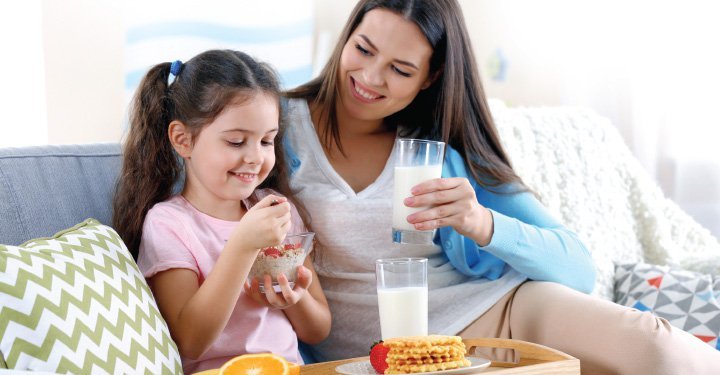
Breakfast is considered the most important meal of the day, and with good reason, too. Energy levels slump while writing exams, thereby affecting your child's cognitive and mental alertness. So, they should never skip breakfast.
Quick and healthy breakfast options for exam mornings - Omelet with vegetables and a glass of any citrus fruit or gooseberry juice
- Peanut butter sandwich and a fruit
- Almond butter sandwich and a fruit
- Multigrain, dry fruit, and nut porridge; and an egg or a fruit
- Mint chutney sandwich (paneer/egg and vegetable filling)
- French toast
- Stuffed roti (paneer/mushroom/egg and vegetable filling)
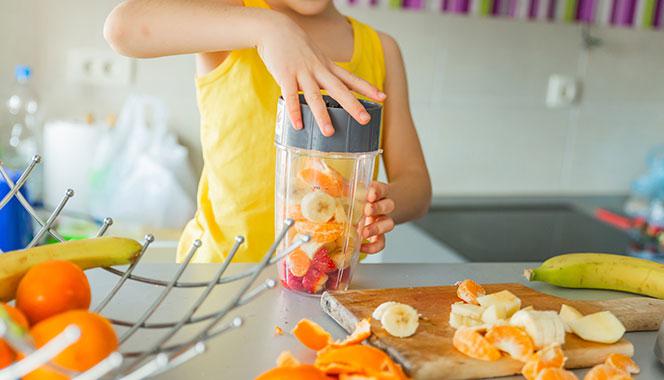
- Milkshake made with apple, banana, pear, or pomegranate, and one egg
- Chia seed pudding
- Muesli/cornflakes/millet flakes with milk and fruit (you can use nut milk)
- Red rice flakes (poha or rice flakes with milk)
- Mixed veg uthappam or vegetable-stuffed idlis with coconut chutney, green chutney, or sambar
- Egg dosa and sambar
- Steamed nendran pazham
|
Time is precious, so these quick, easy, and nutritious breakfast options make excellent choices.
Replace junk snacks with healthy exam snacks
Kids love snacks. It is best to provide them with snacks that provide consistent energy rather than asking them not to consume junk food.
Healthy snack ideas for students during exams - Kozhukattai with chutney
- Paniyaram with carrot-chow chow-mint-coriander chutney
- Millet semiya upma with mixed vegetables and chutney
- Pan-fried burgers
- Home-made pizzas
- Stuffed rotis
- Medu vada with coconut chutney
- Keerai vada or pakoda with coconut chutney
- Home-made bhel with sprouts and assorted vegetables
- Sundal with raw mango and coconut pieces
- Fresh fruit salad
- Plain curd with muesli
- Peanut, sesame, rajgeera chikki/nut bars/homemade granola bars
- Savory bakes, like spinach corn bake/egg muffins/mixed veg baked in cupcake molds)
- Millet cupcakes (use palm sugar/jaggery for sweetening)
|
Avoid these foods strictly- Highly-processed foods
- Foods with simple sugars, colors, and preservatives
- Maida-based eats
- Processed meat, like salami and sausages
- Packaged fruit juice and cold coffee
- Milkshake with white sugar
- Jelly, popsicles
- Cakes made with refined flour
- Cookies and cream biscuits
|
Choose foods wisely based on your child’s study time
Choose high-protein foods at dinner if your child plans to study at night. Carbohydrate-rich foods, such as idlis, dosas, rice, and roti, can cause kids to feel sleepy. Hence, choose foods wisely according to their study plan. Three main meals and two snack breaks will help in sustaining your child's energy level. Heavy meals are best avoided during exams.
Foods that help children stay alert after meals - One bowl of soup and one cup of paneer bhurjee
- Sprouts-vegetables-fruit salad and one bowl of soup
- Paneer mushroom stir fry
- Dhokla with green chutney
- Khandvi with green chutney
- Besan/moong chilla with chutney
- Paneer katti roll
- Vegetable momos (preferably made with rice and not maida)
- Adai or pesarattu
- Egg roll
- Omelet with chicken or mutton mince and vegetables
- Fish or chicken tikka or momos (preferably made using rice and not maida)
- Shredded chicken with vegetables
- Fish or chicken cutlets with soup
Foods that may make children sleepy- Curd rice with potato/yam curry
- Masala dosa
- Roti with potato/yam curry
- Poori with potato curry
- Biriyani
- Curd
- Eating large amounts of food in one meal
|
Include good fats in your child’s exam diet
Good fat nourishes the brain with omega-3 fatty acids, which come with a host of powerful health benefits for your body and brain.
Good fats:- Flax seeds: 1 to 3 tsp per day (powder the seeds and add to salad/subzi/dal/buttermilk or any beverage served at room temperature). Do not cook or heat them.
- Chia seeds/sabja seeds: Keep the body cool, provide vitamins and minerals, and reduce hunger pangs. Soak the seeds for four hours and then add them to buttermilk/coconut water/fresh lime juice/any homemade sherbet/plain water.
- Quinoa: This superfood is loaded with omega-3, magnesium, manganese, protein, fiber, and it is digested slowly by the body, releasing energy in the process. Quinoa can be added to a variety of salads and to thicken soups.
- Fatty fish: Fish is a good choice for non-vegetarians. Include fatty fish in your child's diet plan for around four meals a week. It helps to nourish nerve cells and protects the brain.
|
Activities to improve memory for exams (beyond food)
Apart from a healthy diet, exercise and sleep are two important factors that help to improve your child's memory during exams.
Exercise and sunlight improve focus and attention
There is no substitute for fresh air, exercise, and sunlight. Allow your child physical activity for one to two hours every day. It helps the mind stay alert and attentive.
They can get a generous dose of sunshine by:
- Lying on a mat on the balcony or terrace
- Wearing light clothing
- Exposing their legs up to the knees, and ensuring enough sunlight hits the abdomen, chest, and back.
Twenty minutes of sunlight exposure increases vitamin D and increases for your child's energy levels.
Sleep is essential for memory and exam performance
The foundation of good health is an uninterrupted, sound sleep from 10:00 p.m. to 5:00 a.m. Some kids study well at night, while others are early birds who focus better in the wee hours of the morning. Ensure healthy snacks are stocked at home, in case they need a midnight snack when studying late. However, there is no substitute for a good night's sleep. Hence, they must aim to get at least six hours of sound sleep every night.
Feed well, encourage often
So, encourage your child to try these tips and follow a healthy routine of a nutritious diet and regular physical activities. Feed your child well, encourage and support them during this time, and they will shine bright. Wishing all children the very best for their exams!
A quick parent checklist
Did my child eat a proper breakfast before studying or before an exam?
Did I include protein in their food today (egg, dal, paneer, curd, nuts, or seeds)?
Did at least one meal include a whole grain (millet, oats, brown rice, whole-wheat roti)?
Did I add a colourful fruit or vegetable today?
Did the food contain some healthy fats (nuts, seeds, ghee, coconut, fish, if non-veg)?
Did my child drink enough water throughout the day?
Did I avoid sugary or fried snacks




























Comments
Edit
Comment Flag
Cancel Update