
Speech And Language Development Milestones In Children Aged 0–5 Years Explained Clearly
Amrita Gracias
Curious about your child’s speech and language milestones? Learn what to expect from ages 0–5, when to seek help, and how you can nurture healthy communication skills every step of the way
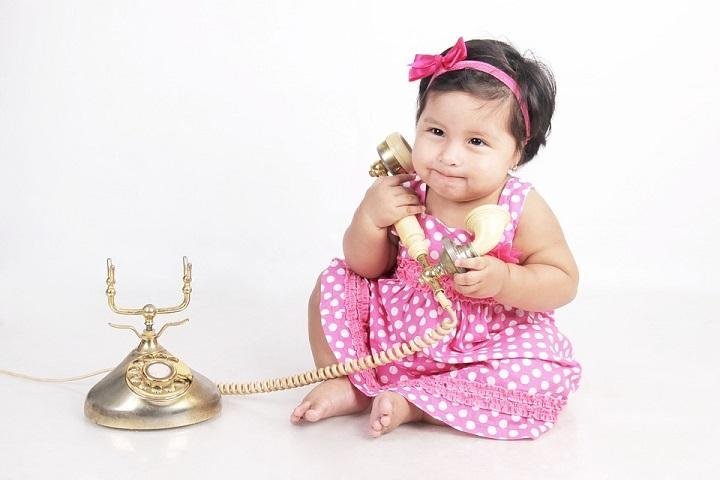
A baby’s journey of understanding language begins gently in the womb, as they tune in to the soothing rhythm of voices and sounds around them—long before those precious first words are spoken.
Why speech and language milestones matter in early childhood
However, most of the developments related to speech take place between the ages of 2 and 5 years. A newborn baby communicates only through their cry. But as they grow, they understand the need for communicating using speech. So, they begin to communicate using familiar sounds that they and everyone around them can identify and recognise.
This communication includes both receptive and expressive language skills. While receptive language skills include the ability to understand words and language, expressive language skills entail using words to communicate what we feel or mean.
Parents must bear in mind that language and speech capabilities assist and impact areas like academic performance as well as social relationships. So, it is crucial to monitor the development of speech skills.
Speech and language development from birth to 12 months
0 - 3 months
- Identifies mother's voice
- Is alert and responds or reacts to sounds and voices
- Makes cooing and gurgling sounds to express pleasure
- Can sustain cooing for 15-20 seconds
3 - 6 months
- Can blow bubbles
- Smiles at parents or familiar people
- Babbles
- Vocalises pleasure or displeasure
- Recognises their name
6 - 9 months
- Hears words as distinct sounds
- Enjoys repeating sounds heard
- Recognises tone of voice
- May say words like 'mamma' or 'dada'
9 - 12 months
- Begins saying actual words
- Recognises pictures or objects when named
- Uses gestures like waving to communicate
- Follows simple instructions like 'Come here' and 'Sit down'
- Identifies each parent with the correct name - 'mamma' or 'dada'
What to expect between the ages of 1 and 2 years
- Combines vocalisation and gestures
- Uses inarticulate or meaningless speech
- Can name objects on request
- Identifies and points to up to three body parts on the self or a doll
- Imitates familiar words
- Can associate words with objects
- Vocabulary consists of both intelligible and made-up words
- Acquires new words regularly
- Understands instructions such as 'Give mamma the ball."
- Uses two-word phrases like "Read book" or "Mamma come."
Key speech and language milestones from 2 to 3 years
- Speaks in a loud and clear voice
- Pronounces vowels accurately
- Says her first name
- Identifies body parts
- Can name common pictures and objects
- Refers to self as 'me'
- Likes to listen to stories, mostly repetitions of familiar ones
- Uses short sentences that might include negative words. For example, "Me no want"
- Uses question words like 'what', 'where', or 'why'
Language growth and communication skills at 3 to 4 years
- Possesses an increased speech rate
- Uses words like 'can't' or 'didn't
- Uses sentences with 4 - 5 words
- Knows several songs or rhymes
- Can tell a short story
- Understands and uses concepts like 'tonight' or 'dinnertime'
- Can express ideas or feelings
Speech and vocabulary expansion from 4 to 5 years
- Uses words like 'those', 'these', 'because', 'if', 'before', and 'after'
- Uses longer sentences, although there might be grammatical errors
- Asks more questions with 'has', 'does', or 'whose'
- Uses past tense accurately
- Identifies shapes like circles, squares, or triangles
- Ends conversations appropriately
Simple ways to encourage speech and language development at home
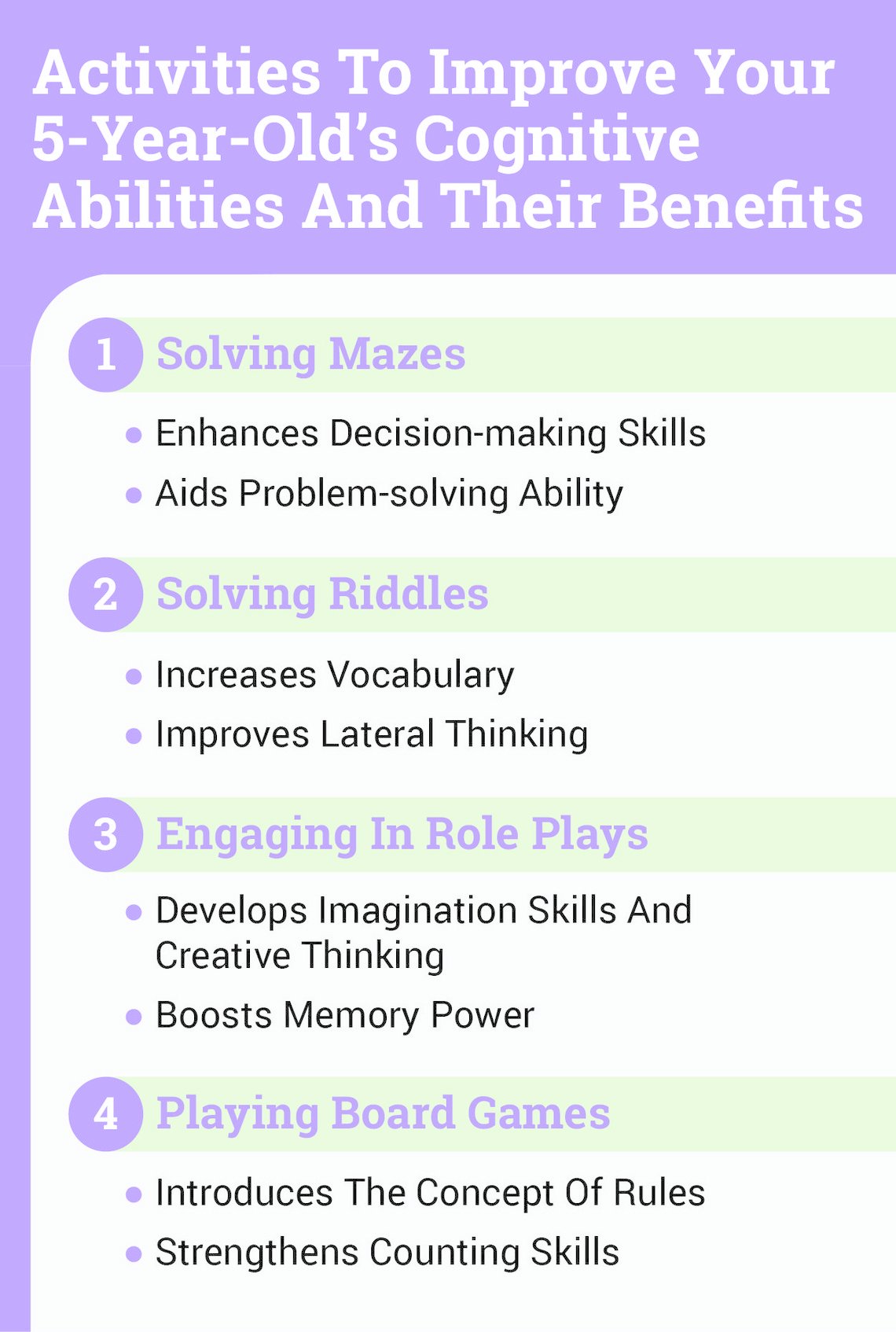
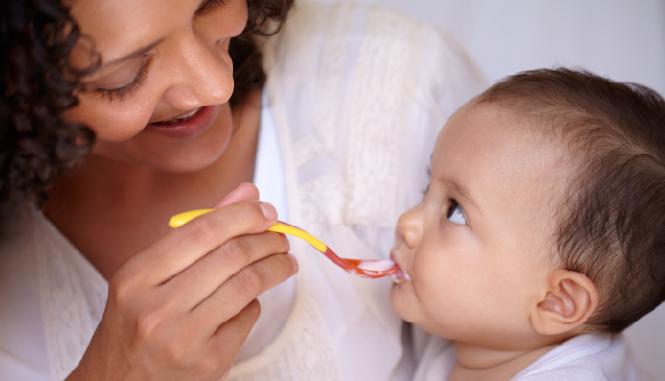
Children master language abilities within an approximate age range. While some do it earlier, others do so at a gradual pace. Children who are consistently exposed to sounds tend to pick up language skills faster. So, provide ample opportunities for your child to listen, interact, and communicate.
When parents should be concerned about delays
If you have any concerns about your child's speech development, contact your paediatrician at the earliest. If required, they may recommend certain assessments and therapies that can help in putting things back on track.
Last updated on: September 8, 2025
Support your child’s English language acquisition skills with our specialized language and communication program for pre-primary children. The program helps build your child’s confidence in language fluency.


























Comments
Edit
Comment Flag
Cancel Update