
Dietary recommendations for 4-5 year olds: Feeding and nutrition tips
Parama Gupta
Are you looking for a menu to meet your four-year-old child's dietary needs? Here's some help, check out our nutritionist recommended food chart for 4-5 year olds
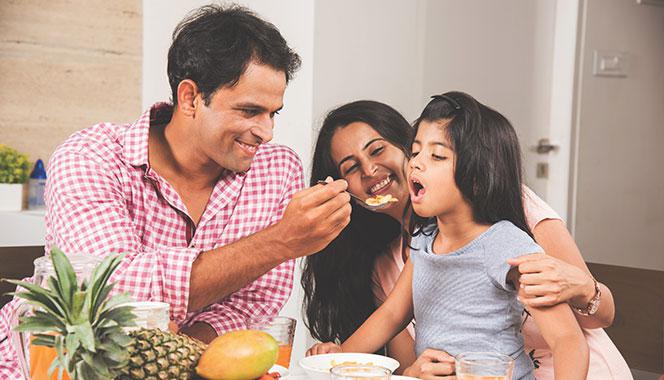
Almost every four or five-year-old child is a bundle of energy. To make sure that she stays active throughout the day, you need to provide him with a balanced diet that meets her calorie requirements. This is where a 'food chart for 4 to 5 year olds' would help you.
What should I feed my child?
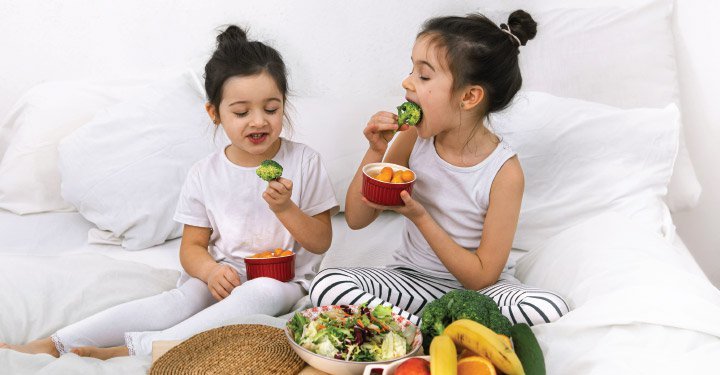
Don't we all get a bit confused about what to feed our children for their all round development? So, here's a list of food items you can choose from:
- Milk
- Slices of fruits (apple, papaya, banana, etc.)
- Cooked vegetables (carrot, potato, spinach, etc.)
- Cheese and paneer
- Butter and ghee
- Eggs and meat (in limited portions)
- Yogurt
- Nuts (almonds, cashew nuts, etc.)
- Bread
How much should my child eat?
The quantity of food your 4-year-old should eat per day depends on her total daily dietary requirements. Here's the dietary recommendation for a 4-year-old child, by the American Heart Association:
- Calories: 1200 to 1400 kcal
- Fat: 25% to 30%
- Fat-free milk/Dairy: 2 cups
- Lean meat/beans: 85 to 115g
- Fruits: 1.5 cups
- Vegetables: 1 cup to 1.5 cups
- Grains: 115 to 140g
Source: Dietary Recommendations for Healthy Children
Food chart for 4 to 5 years old child
Here's a day's food chart with a sample menu that will provide your child with all the necessary nutrients he requires and sustain his interest in eating.
Healthy breakfast for a 4 year old child:
Time: Within half an hour of waking up
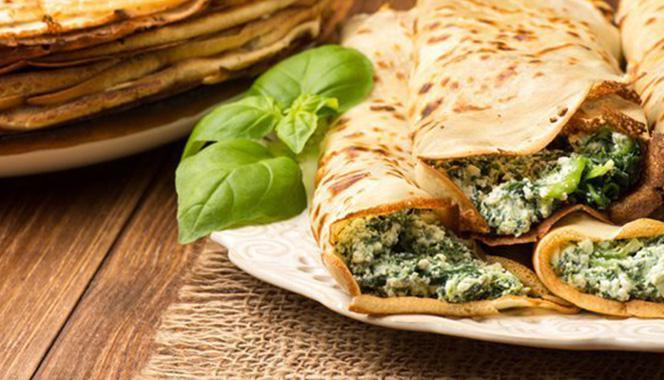
- Whole grain pancake
- Cornflakes in a bowl of milk
- Non-veg option: Omelette sandwich
Health benefits:
- Milk is rich in calcium, which is necessary for the normal functioning of all the body cells. It is a great source of energy.
- Eggs contain nutrients such as choline (a vitamin B variant, which is a great memory booster), vitamin A, and proteins necessary for the child's growth. (Note: If you want to include an egg recipe in your baby's diet plan, make sure your baby is not allergic to eggs.)
- Whole grains provide several necessary nutrients such as fibre, minerals, vitamins, proteins and antioxidants.
- Cornflakes are a good source of folate, which is important for the formation of new cells. They are also rich in iron, and improve carbohydrate metabolism and cognitive functions.
Mid-morning snacks for preschoolers:
Time: Two hours after breakfast
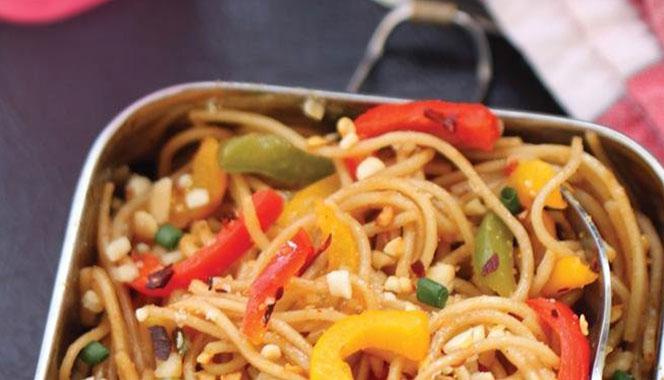
- Whole grain pasta with homemade tomato sauce
Health benefits:
- Tomatoes are rich in vitamin C and contain good quantities of other essential minerals.
- Whole grain pasta is good for health as it provides carbohydrates and fibre along with essential minerals.
Lunch for a 4 year old:
Time: Two hours after the mid-morning snacks
- Roti/dosa with a side dish
- Options for side dish: Methimatar paneer/beans sambhar
Health benefits:
- Methi leaves are a rich source of iron and have all the goodness of green leafy vegetables.
- Paneer is packed with proteins and other minerals.
- Beans are a source of proteins and other important nutrients.
Evening snacks for a 4 year old:
Time: Three hours after lunch
- Apple custard
Health benefits:
- Rich source of antioxidants
- Good source of calcium, which aids in bone and teeth development
- Contains Vitamin C, which promotes eye health
- Has antibacterial properties, boosts immunity
Dinner meals for 4 year olds:
Time: Three hours after evening snacks
- Rice/roti with a side dish
- Options for side dish: Moong dal fry/ carrots and peas
- Non-veg options: Fish curry
Health benefits:
- Moong dal is a very good source of proteins.
- Carrots are a good source of vitamin A which is essential for improving the child's eyesight. Green peas provide vitamin K and other important minerals.
- Rice or roti provides carbohydrates.
- Fish is packed with a lot of essential nutrients. It is primarily a source of protein and contains several essential minerals. It is good for the child's growth, brain development, and eyesight.
The diet list provided here is just a sample; you can tweak the items as per your child's needs and preferences. Don't forget to consult a dietitian to draw up a personalized diet plan for your child. This will make sure your little one gets all the essential nutrients his body requires, while also having an enjoyable meal.



















Comments
Edit
Comment Flag
Cancel Update