
Is Peanut Butter Safer Than Regular Butter?
Nabeela Mahboob
Many people believe that peanut butter contains saturated fat and sodium and is not 'exactly' healthy. However, others hail it for its nutritional content. So, would you prefer it over regular butter?
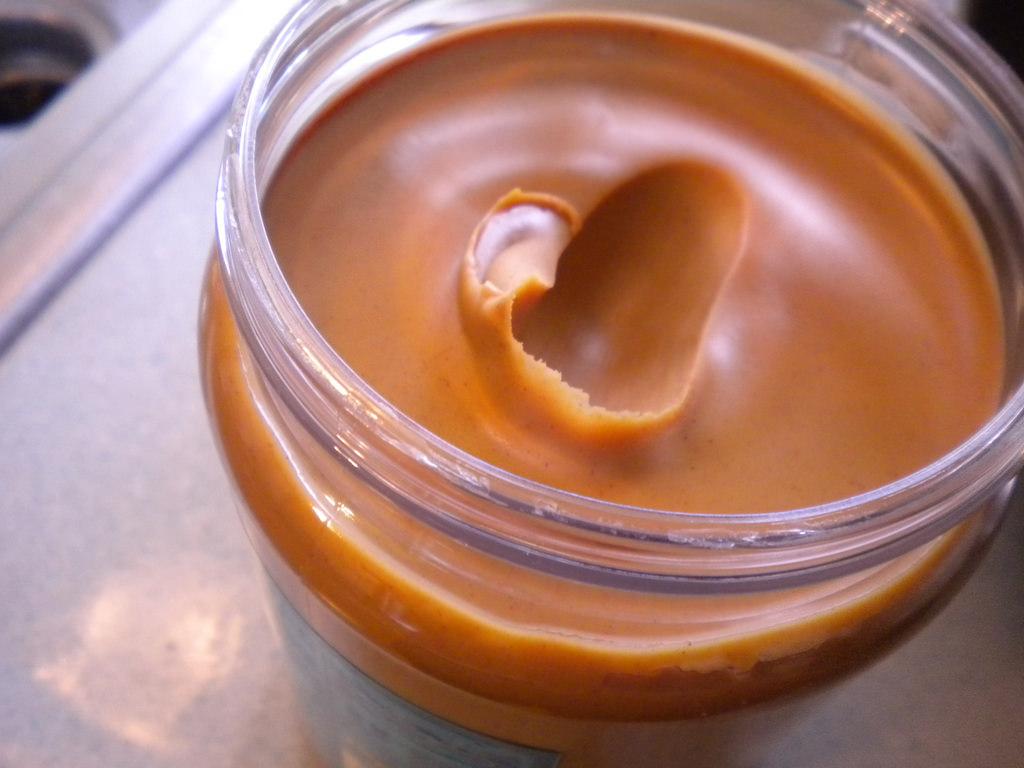
Paromita Bhattacharya is a confused mother. Her three-year-old son, Kaustov, has developed a taste for peanut butter and insists on having it every day. While Paromita has no problem with this, one of her colleagues told her about the presence of additives in peanut butter. Now, Paromita does not know whether to let her son continue eating peanut butter or switch to regular butter.
As a preferred spread and a yummy breakfast option, the use of peanut butter dates back to the 1300s. It was initially used for toothaches and later for consumption. In 1884, M.G. Edson obtained a patent for the spread and thickened it with sugar and sweeteners, since then it has been popularly used as food.
Is peanut butter healthy?
In spite of the high calories present in peanut butter, many regard it as a healthy option. Two tablespoons of peanut butter contain fat and carbohydrates measuring up to 190 plus calories or so. But the good news is that it is a rich source of fibre, vitamins, protein and minerals.
Difference between peanut butter and regular butter:
The primary difference between peanut butter and the regular one lies in the source. Regular butter is a dairy product and has its own goodness. However, peanut butter is packed with multi-nutrition content.
Besides, peanut butter has 40 per cent lesser fat and has 25 times more protein than regular butter.
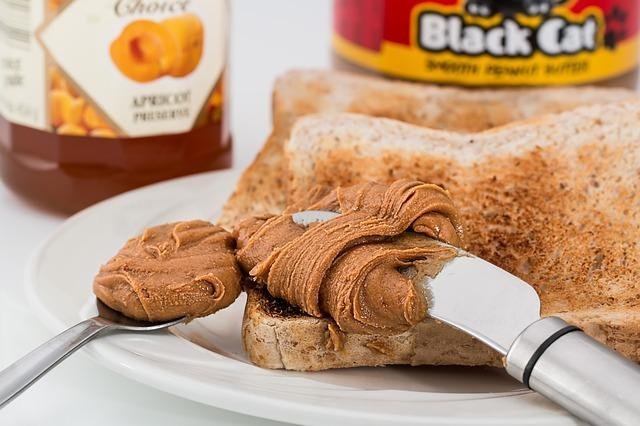
Apart from the popular peanut butter and jelly sandwich, there are a lot of tasty and interesting recipes that can be made using peanut butter. In the ClipBook below, we look at a few.:
Benefits of peanut butter over regular butter:
- Helps weight loss: Despite having carbohydrates and fat, peanut butter helps weight loss by helping one control hunger, thereby reducing intake of food.
- Filled with healthy fat: Not all fats are harmful and peanut butter is loaded with the good one which your heart would love. Monounsaturated fat is excellent for health when compared to saturated fat or carbohydrates.
- Goodness of fibre and magnesium: Peanut butter is rich in fibre, which eases bowel difficulties among toddlers and children. It also contains magnesium, which strengthens the bones and muscles.
- Enriched with vitamins: Almost all the good vitamins that help the body function properly are found in peanut butter. Vitamin A helps eyesight and Vitamin C helps boost the immune system, which is especially important for children. Vitamin E does the fantastic job of breaking down fatty acids and clearing blockages in our arteries.
- Rich source of antioxidants: Peanut butter is a wonderful antioxidant. Resveratrol is an antioxidant which helps control certain types of cancer, viral and fungal infections and nerve diseases.
How is peanut butter made?
There are various steps in the making of peanut butter. The first one is to plant and harvest peanuts. Once they are out as raw materials, they are shelled in various machines to eliminate the defected ones. Next comes the most important step of dry roasting them at a certain temperature and then cooling them down before being sent for grinding. After the paste is ready, the same is sent for mixing. Here, a few other taste and nutrition elements are added such as salt or sweeteners, and different types of oils and textures.
Peanut Butter: Fun Facts
- The world's largest peanut butter and jelly sandwich was made in Texas and weighed 1,342 pounds (608.721 kilos).
- Peanut butter is mostly vegan and gluten-free.
- Archibutyrophobia is the fear of getting peanut butter stuck to the roof of your mouth.
- To make a 12-ounce jar of peanut butter, you require 540 peanuts.
- If you want to eat peanut butter sandwich in space, you have to eat it in a tortilla.
In spite of all the goodness, it has to be kept in mind that this yummy spread should be consumed in moderation. As per Ashley Koff, registered dietitian, Qualitarian, nutrition expert, "A proper portion of organic peanut butter is about two tablespoons, and when you consume that, you are getting one serving of protein, one of fat, and half a serving of carbohydrate."
Compared to regular butter, peanut butter scores slightly higher on the nutrition front. However, it ultimately boils down to individual preferences and tastes.
Hope you liked this article. To get expert tips and read interesting articles on a wide variety of parenting topics, Subscribe Now to our magazine.
























Comments
Edit
Comment Flag
Cancel Update