
All you need to know about broccoli: Health benefits, nutritional facts, calories and recipe ideas
Dr Shyam Kumar
author parentcircle author parentcircle author parentcircle author parentcircle author parentcircle author parentcircle
The health benefits of eating broccoli include aiding weight loss, promoting good skin and hair health, and fighting cancer. Here's more on the nutritional value of broccoli, calories, and vitamins
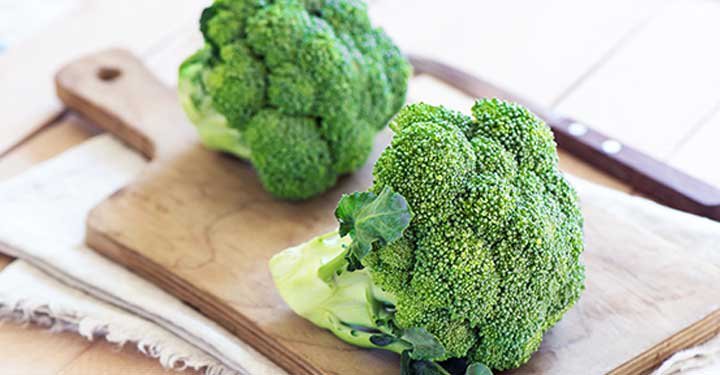
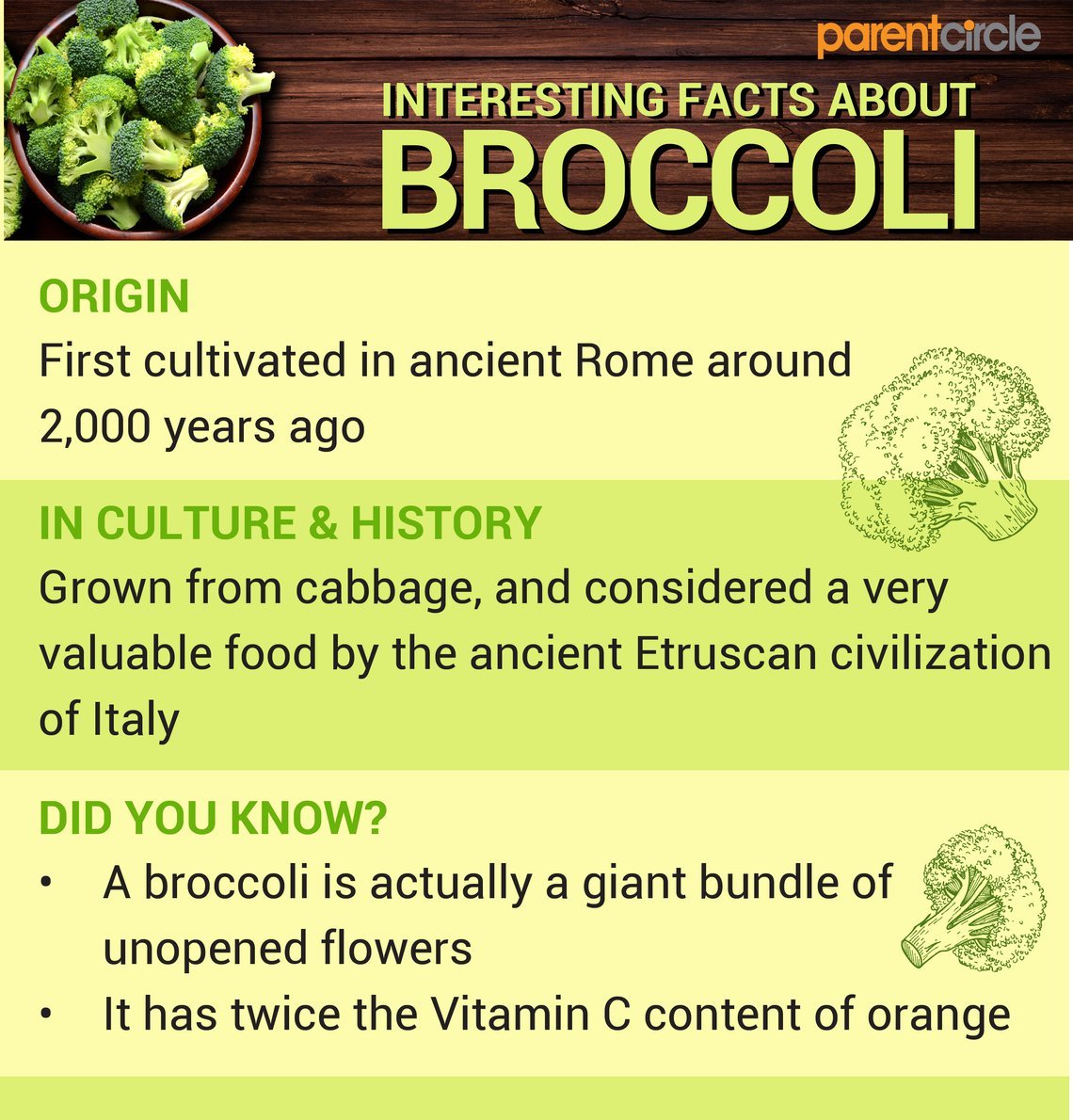
Broccoli (scientific name Brassica oleracea var. italica) is a cruciferous vegetable that owes its name to the Italian word 'broccolo' which means 'the flowering top of a cabbage'.
Some facts about broccoli
It is believed that broccoli was first cultivated in ancient Rome about 2,000 years ago. It was introduced in England and America in the 1700s. The vegetable has edible florets and stalk. The flower heads are dark green in colour, crispy and sturdy.
Broccoli is immensely popular for its rich nutritive value and many health benefits. It ranks as the world's fifth most popular vegetable and is rich in vitamins C and K, potassium, folate, calcium and dietary fibre. The uses of broccoli in fighting cancer, lowering blood pressure, improving skin health and detoxifying the body have been documented in various research studies. It also aids in weight loss being low in calories and high in fiber.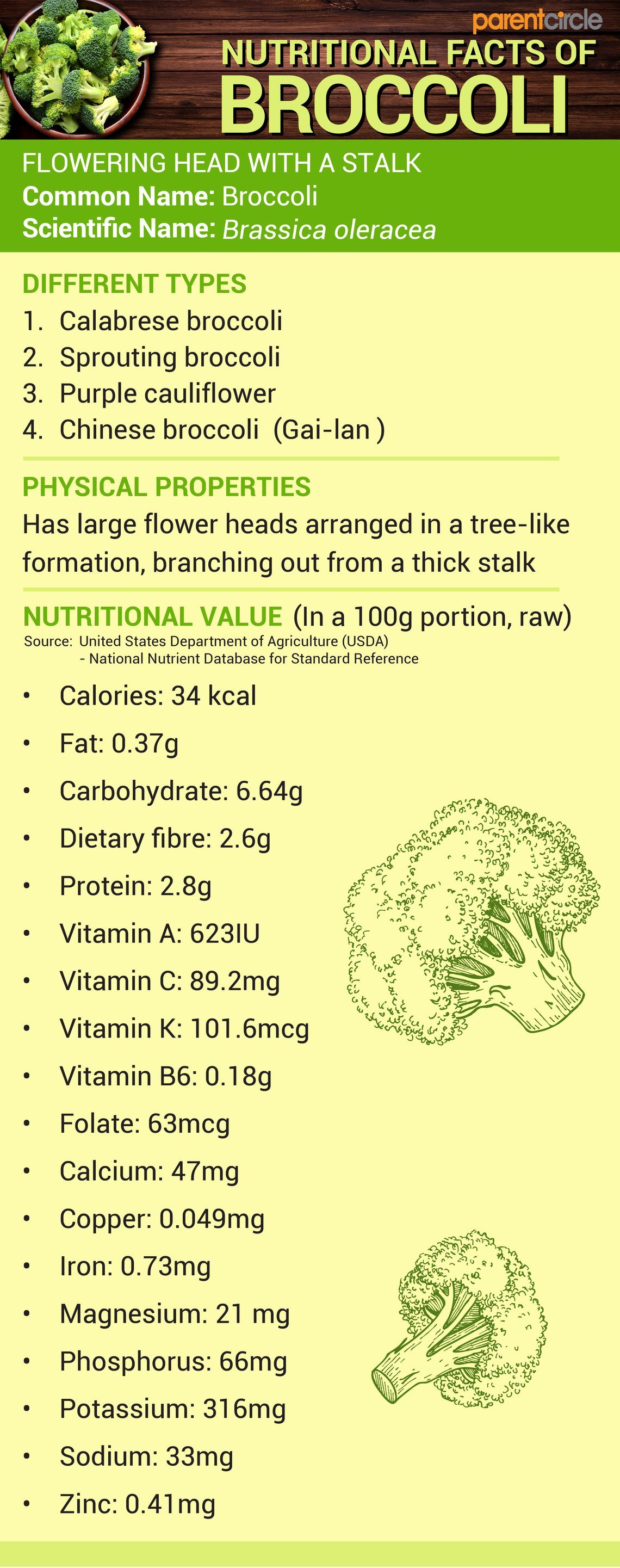
Types of broccoli
The four commonly grown types of broccoli are:
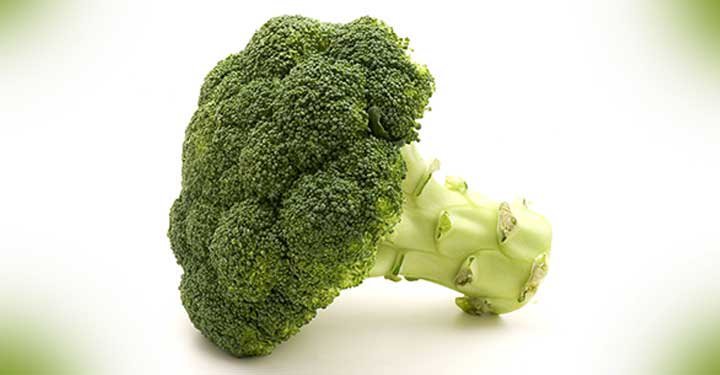
1. Calabrese broccoli
2. Sprouting broccoli
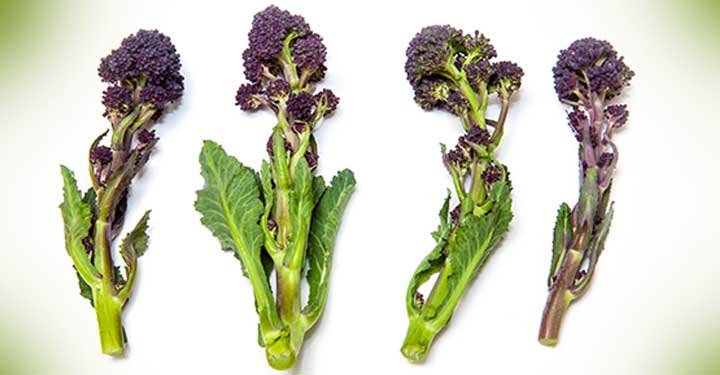
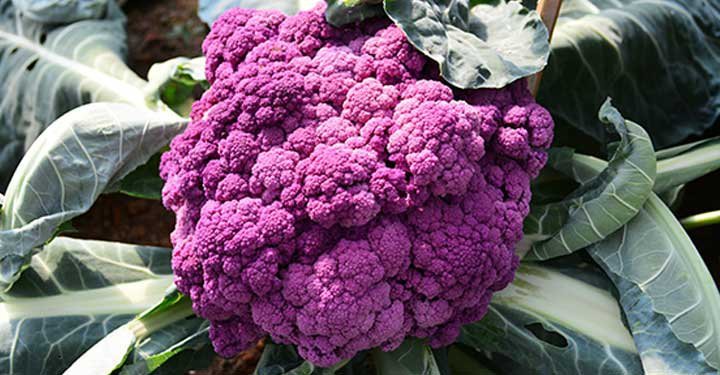
3. Purple cauliflower
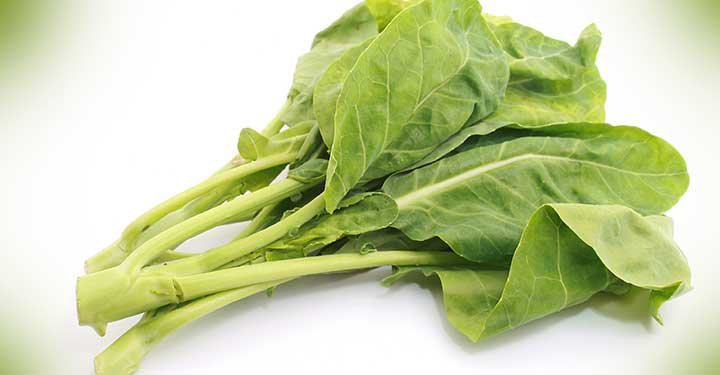
4. Gai-lan (Chinese broccoli)
How to eat broccoli
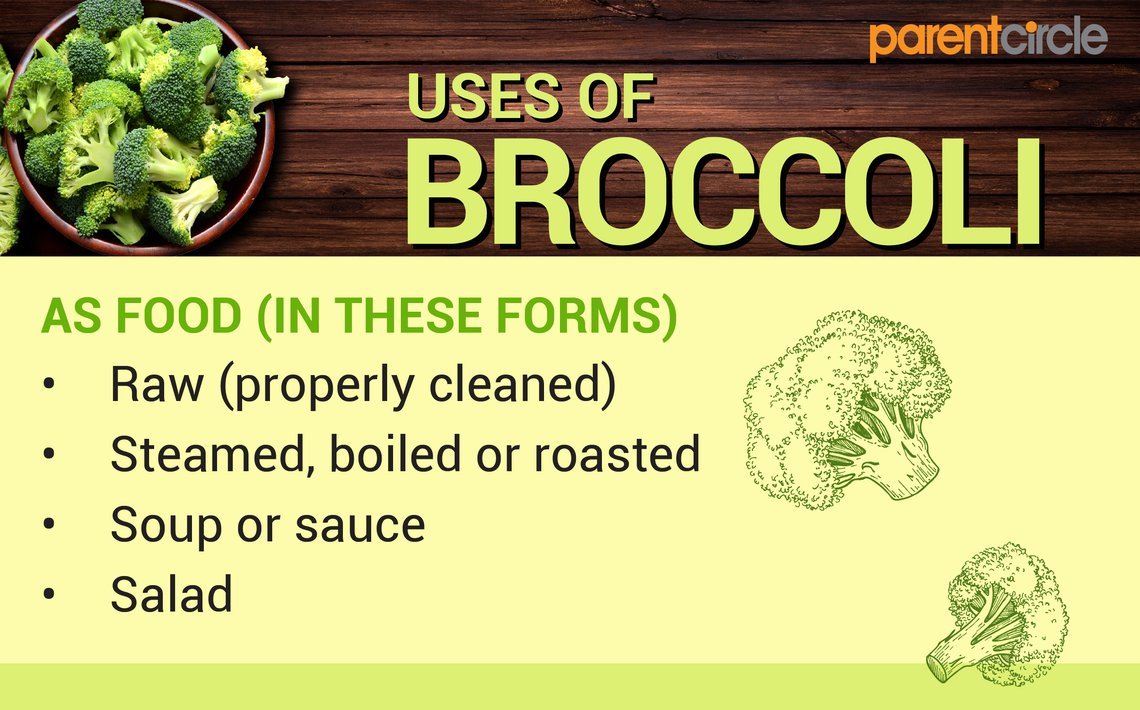
Broccoli is bitter in taste and has a flavor similar to cabbage. It is often consumed boiled or steamed but can also be eaten raw.
Health benefits of eating broccoli
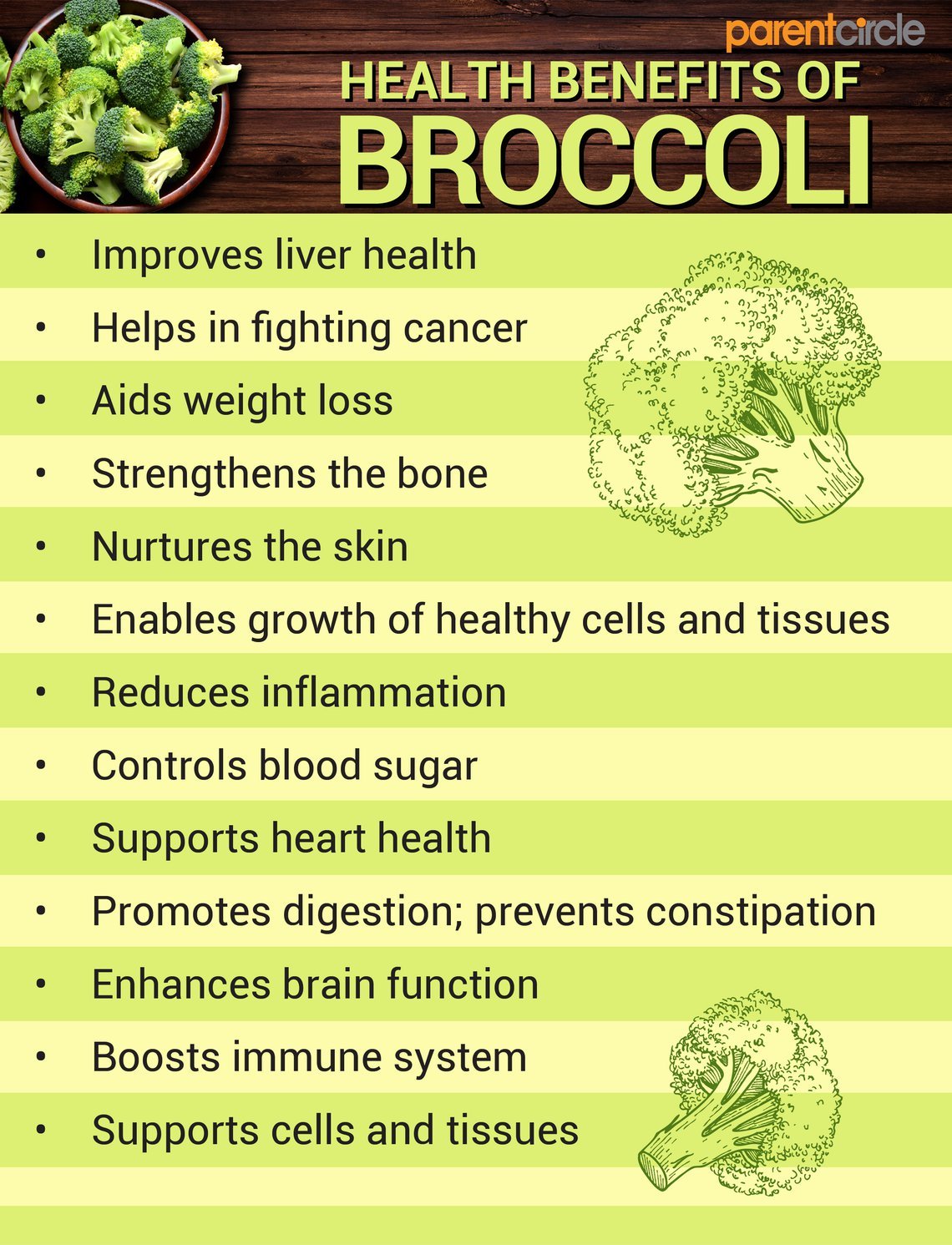
1. Promotes liver health: Regular consumption of broccoli lowers hepatic triglycerides (HTGs), prevents liver damage and plays a role in preventing cancer of the liver. These health benefits of broccoli in improving liver health are described in the findings of a 2016 study by Chen et al, titled, 'Dietary Broccoli Lessens Development of Fatty Liver and Liver Cancer in Mice Given Diethylnitrosamine and Fed a Western or Control Diet,' published in The Journal of Nutrition.
2. Fights cancer: Do you know that consuming broccoli can be effective in treating cancer by strengthening the body's own fighting mechanism against it? Cancer researchers have found that a compound (indole-3-carbinol) present in broccoli can help in reactivating tumor suppressors. This research article by Lee et al, titled, 'Reactivation of PTEN tumor suppressor for cancer treatment through inhibition of an MYC-WWP1 inhibitory pathway', was published in the Science journal in May 2019.
3. Aids weight loss: Planning to shed some extra kilos off your body? Adding broccoli to your diet can support your weight loss efforts in a healthy manner. This low-calorie vegetable is rich in fiber which takes it longer to digest and leaves you feeling full for longer. Consumption of fiber-rich food is an effective strategy to consume lower calories while feeling a sense of satiety. The role of dietary fiber in weight management is detailed in a study titled, 'Is There a Place for Dietary Fiber Supplements in Weight Management?' by Lyon et al, published in the Current Obesity Reports (2012).
In addition to fiber, broccoli is also rich in nutrients that help you lose weight. It is rich in vitamin C and calcium, which have been shown to aid weight loss. Vitamin C aids in the synthesis of carnitine, a compound that helps to metabolize more fat from the body on exercising. Calcium tends to bind with dietary fat in the intestine and reduces its absorption.
4. Improves bone health: Loaded with calcium, broccoli is the kind of vegetable which needs to be in the diet of menopausal women and those with the risk of developing osteoporosis. In osteoporosis, the bones become weak and are at risk for fracture. Broccoli can be included in the diet along with other calcium-rich foods to make up for the daily dietary requirement of 1,200mg of calcium. In fact, the National Osteoporosis Foundation includes broccoli in its list of foods that are good for the bones.
Broccoli is a good dietary source of vitamin K. It has many positive effects on bone health including improving bone density and decreasing fracture risk.
5. Benefits to skin: Research indicates that broccoli sprout contains glucoraphanin, a powerful antioxidant, which protects the skin from the carcinogenic effects of ultraviolet radiation. Apparently, a cup of raw chopped broccoli contains 15mg of glucoraphanin. On consuming broccoli, glucoraphanin gets converted to sulforaphane, an isothiocyanate compound, which induces phase 2 detoxification enzymes that eliminate cancer-causing free radicals from the body.
Broccoli is also a great source of vitamin C, another antioxidant, that protects the skin cells against photodamage and inflammation. Vitamin C is also essential in building collagen which keeps the skin taut, smooth, free from wrinkles and youthful in appearance. Its antioxidant activity also promotes faster wound healing.
Broccoli's benefits for babies
Wondering when to start giving broccoli to your baby? Broccoli is considered a superfood as it is packed with many essential minerals vitamins, and antioxidants. However, broccoli may be a bit hard to digest if your infant's digestive system is not mature enough for complex food substances. Hence, it is best to wait until 7 months of age before introducing broccoli into the diet.
To know more about the health benefits of broccoli for babies and how to introduce it into the diet, read: Broccoli For Babies: Health Benefits, Food Ideas, And Nutrition
Side effects of eating broccoli
- Not advised for people on blood thinners: Broccoli contains vitamin K which plays a role in blood clotting. Any fluctuation in its levels caused by increased or decreased dietary consumption of vitamin K-rich foods may interfere with the action of blood thinners (anticoagulants) like warfarin. Anticoagulants are given to prevent the formation of blood clots which can lead to life-threatening conditions like stroke or heart attack. Hence, if you are on blood thinners, it is best to avoid broccoli in your diet.
- May cause an allergic reaction: Eating broccoli can cause an allergic reaction in some people. Symptoms can range from skin rashes and urticaria to difficulty in breathing and swelling of the throat. Get urgent medical attention if you develop such symptoms frequently after consuming broccoli.
- May cause gas in babies: Broccoli is usually not considered the first food for babies as it has a propensity to generate gas, leading to abdominal discomfort. Therefore, parents are often advised to wait until the baby is at least 7 to 8 months of age before introducing broccoli into the diet.
Healthy ways to eat broccoli
Broccoli contains sulforaphane, a compound essential in preventing cancer. Cooking broccoli makes this anticarcinogen unavailable for absorption. Therefore, the healthiest way to eat broccoli is either raw or steaming it until it gets cooked.
The above finding is based on a study by Vermeulen et al titled, 'Bioavailability and kinetics of sulforaphane in humans after consumption of cooked versus raw broccoli', published in the Journal of Agriculture and Food Chemistry in 2008.
Broccoli recipe ideas for healthy living
Here are some interesting broccoli recipe ideas to include this nutritious vegetable in your meals:
Broccoli breakfast recipe ideas
- Broccoli pasta
- Broccoli and cheese paratha
- Broccoli masala dosa
- Broccoli moong dal dosa
- Broccoli pulao
Broccoli side-dish recipe ideas
- Spicy broccoli chutney
- Broccoli corn stir fry
- Chickpea, broccoli, and carrot stir fry
- Indian broccoli with paneer
- Kadai broccoli masala
- Spicy garlic broccoli
- Potato and broccoli curry
- Broccoli Manchurian
- Broccoli burjee
- Bean, broccoli, and carrot salad
Broccoli snack ideas
- Broccoli tikki
- Broccoli carrot vada
- Broccoli bajji
- Broccoli soup
- Broccoli cheese balls
With so many health benefits and a high nutritional value, why not include this flowery vegetable in your diet?
The Dot health and safety program empowers children with the skills to stay safe and healthy and make healthy food choices.

























Comments
Edit
Comment Flag
Cancel Update