
Here are 10 harmful foods you should never eat after exercise and their healthy alternatives
Victoria Tan
Do you know that certain foods may be harmful for your body, post a fitness routine? We give you a list of foods to avoid after exercising

Are you a new mom trying to get back in shape post-pregnancy? Or a teen training for a sport? After a tough fitness workout, you may look for foods to restore your lost energy and speed up muscle repair. However, a wrong selection can cancel out all the gains made during your progress in the gym. To promote a healthy body and a sound mind, physical exercise is not enough. Eating right and avoiding certain foods after exercising is crucial. This holds good for all age groups, be it a new mother, a young adult or a middle-aged parent.
Here are 10 harmful foods you should never eat after a workout:
1. High-Fat Foods
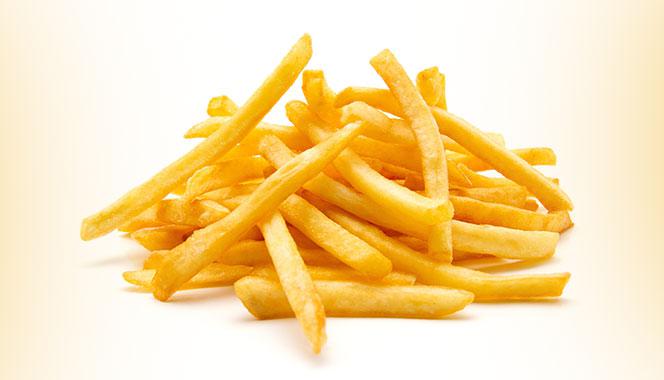
Processed foods such as French fries, cookies and biscuits; sausages and salami; unhealthy Indian breakfast options such as puri-bhaji, masala dosa and vada - these are all a complete no-no after your fat-burning workout. They are loaded with unhealthy fats and do not contribute to replenishing nutrients in your body. All such fats reduce the digestion process in the gut and delay the absorption of much-needed nutrients into the muscles. This results in counter-effects to what your body demands for after working up a sweat.
The high amount of preservatives used to maintain the freshness of some of these foods can cause dehydration. Though they stimulate your empty stomach by the taste and smell, avoid letting your waistline store more fat rather than the much-needed glycogen after a workout.
What to have instead: Try well-cooked chicken, eggs, fatty fish like salmon, sardines and mackerel.
2. High-Fiber Foods
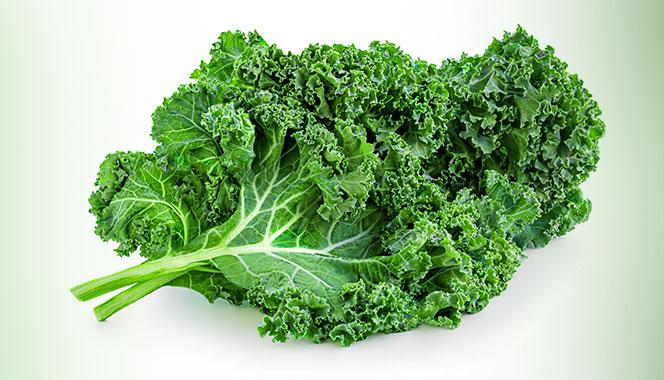
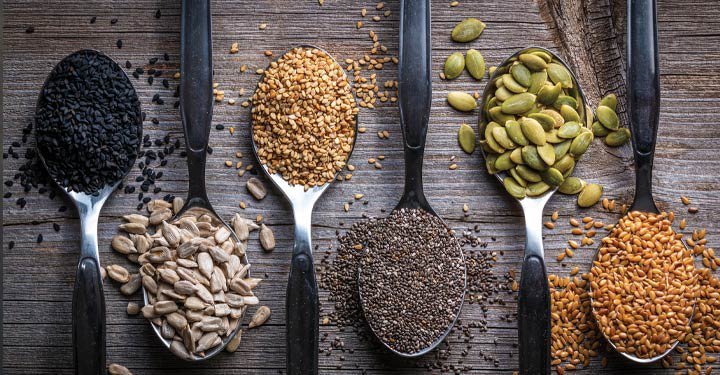
High-fiber foods such as flaxseeds, bran and kale help in your weight loss. However, avoid these foods immediately after exercising, as they can cause serious symptoms like cramping, gas and bloating.
What to have instead: Consume healthy, fiber-rich foods at least two hours before and after a workout.
3. Raw Vegetables
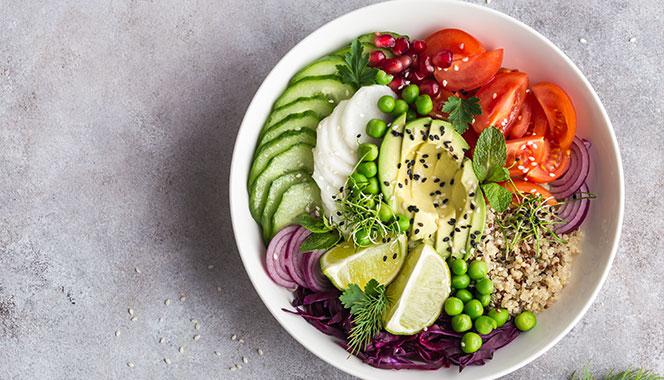
You may find it surprising that this list mentions raw vegetables as foods to avoid after a workout, since most of us know vegetables are good for our health. After an exhausting workout, your body needs calories, carbohydrates and protein. However, vegetables in their raw form don't deliver enough calories and fuel to restore the body's energy and metabolism needs after exercising. They will cause your stomach to become full quickly, without the body replenishing any necessary nutrients.
What to have instead: You can have raw veggies combined with other healthy protein-rich foods such as yoghurt, hummus and nut butter.
4. Spicy Foods
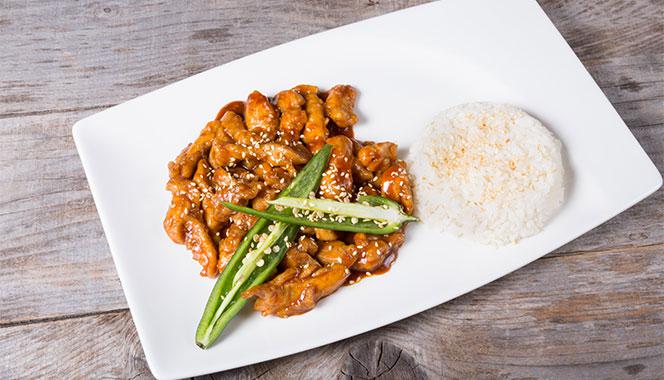
If you fancy spicy foods such as pickles, hot sauce or curry, and are craving them after a workout, beware! If you eat such foods, either before or after exercising, they can cause heartburn and indigestion because of the intense heat and fieriness of the chili. As a result, this will limit the effects of your workout sessions.
What to have instead: Foods that are light on the stomach and easy to digest, which are packed with minerals, carbohydrates and a little sugar. Choose foods which help balance your sugar and energy levels.
5. Chocolate
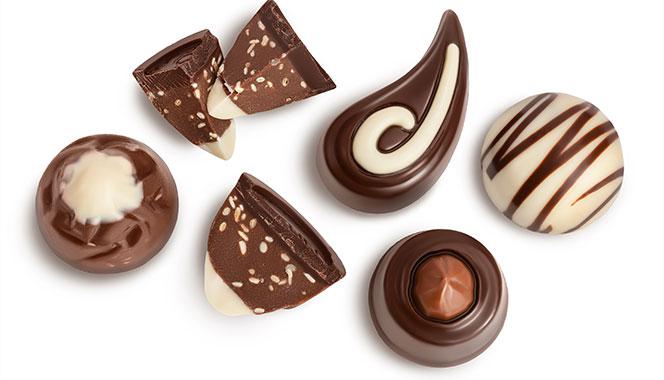
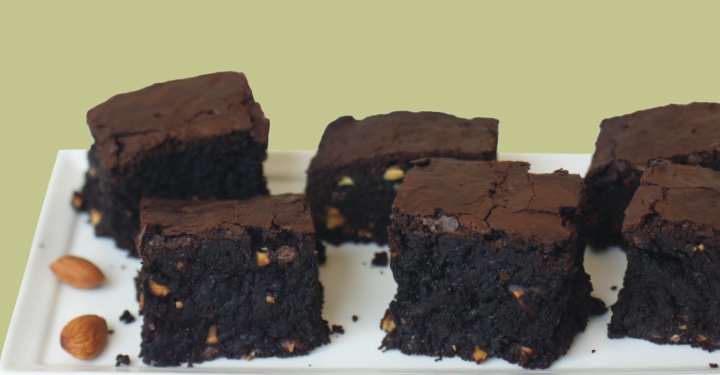
Packed with a high amount of sugar and calories, chocolate should not be listed in your post-workout menu. The high calories you get do not meet your body's needs for proper recharge. Instead, try whole foods that will speed up metabolism and aid in muscle repair after training. If you really cannot kick off that craving, at least, do not eat chocolate immediately after the fitness routine.
What to have instead: After about two hours, have a small piece of good-quality dark chocolate, as it has healthy antioxidants and helps combat free radicals. This will be useful for replenishing nutrients that may be lost because of the workout.
6. Pizzas
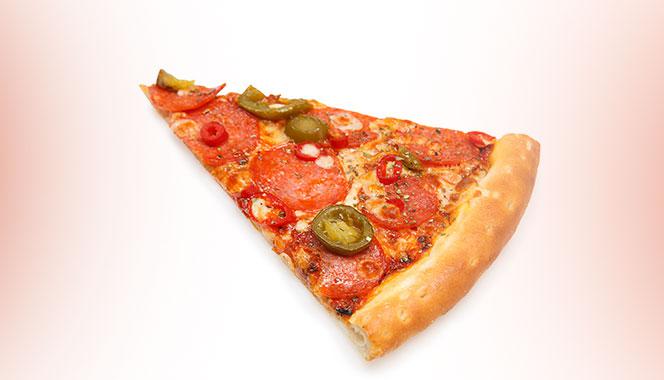
It might be tempting for youngsters to go for fast food like pizzas and burgers after an exercise routine; but, it offers nothing to help achieve your fitness goals. A medium 10-inch pizza is usually topped with fatty meat such as sausage and pepperoni along with cheese, which will be difficult for your body to digest. The whopping calories in such greasy foods will wipe out all the hard work you put in while exercising.
What to have instead: In case you need cheesy snacks, go for whole-wheat bread or muffin with a little cheese.
7. Pastries
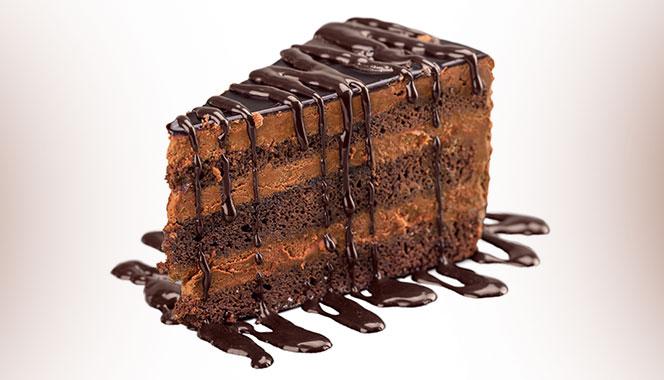
There is no question that we should consume some carbohydrates to boost blood-glucose levels and refill glycogen lost after a tough sweat-soaked session. Nevertheless, the carb intake should not come from foods like pastries and doughnuts. They clog the arteries and are not heart-healthy. They are also packed with sugar and should not be consumed post-workout.
What to have instead: Get a carb boost from a whole wheat toast or bagel instead, topped with peanut butter or natural fruit preserves.
8. Sugary And Fizzy Drinks
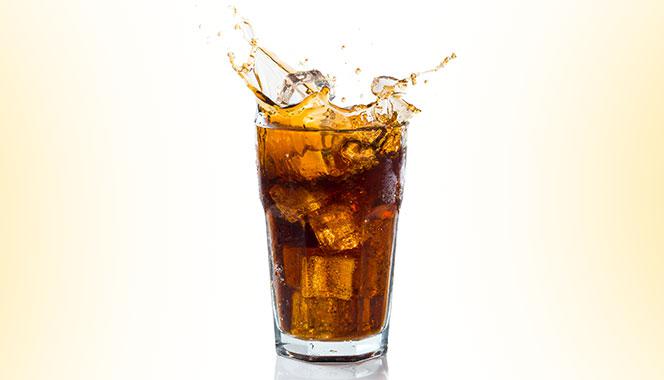
Being thirsty after an intense workout is quite natural; however, you must avoid sweetened beverages such as sports and energy drinks, restoring beverages and fizzy drinks. They contain high levels of fructose and chemicals, and have no nutritional value. They don't hydrate your body but only introduce extra glucose into your bloodstream.
What to have instead: Plain water, maybe with some lemon juice and pink salt will help rehydrate and replenish the electrolytes. Other options are low-fat milk and tender coconut water.
9. Salty Snacks
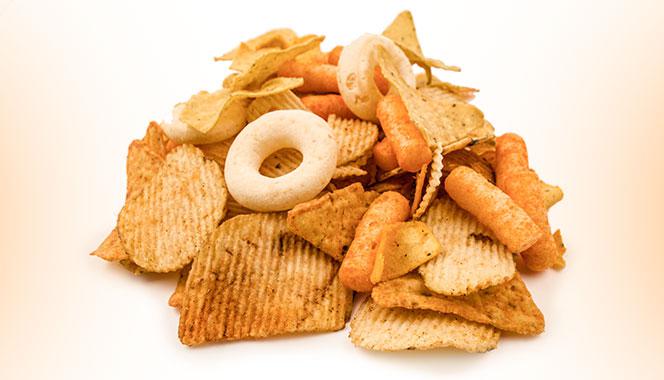
Packaged foods, fried foods and salty snacks such as potato chips and salted nuts contain extremely high levels of salt that reduces your body's potassium levels. Potassium is an essential mineral for your body that helps to balance the negative effects of salt. It will be depleted when you eat high-salt foods, making you dehydrated and feel thirsty.
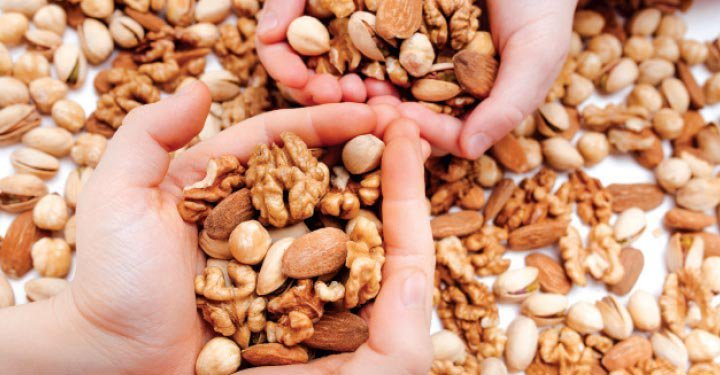
What to have instead: Try unsalted and roasted nuts such as walnuts and almonds.
10. Avocados
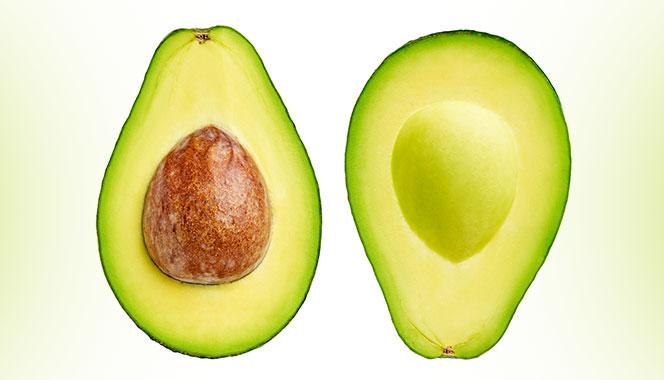
Although avocados are rich in vitamins and good fats, and are considered beneficial, they should not play a role in your post-workout meals since they promote fat storage.
























Comments
Edit
Comment Flag
Cancel Update