
Is choosing organic food beneficial for your child? Yes! Here are the benefits of going organic
Shiny Lizia M
Organic food contains few pesticides. It is fresh and organic farming is better for the environment. But, is it good enough to be given to your child? Take a look.
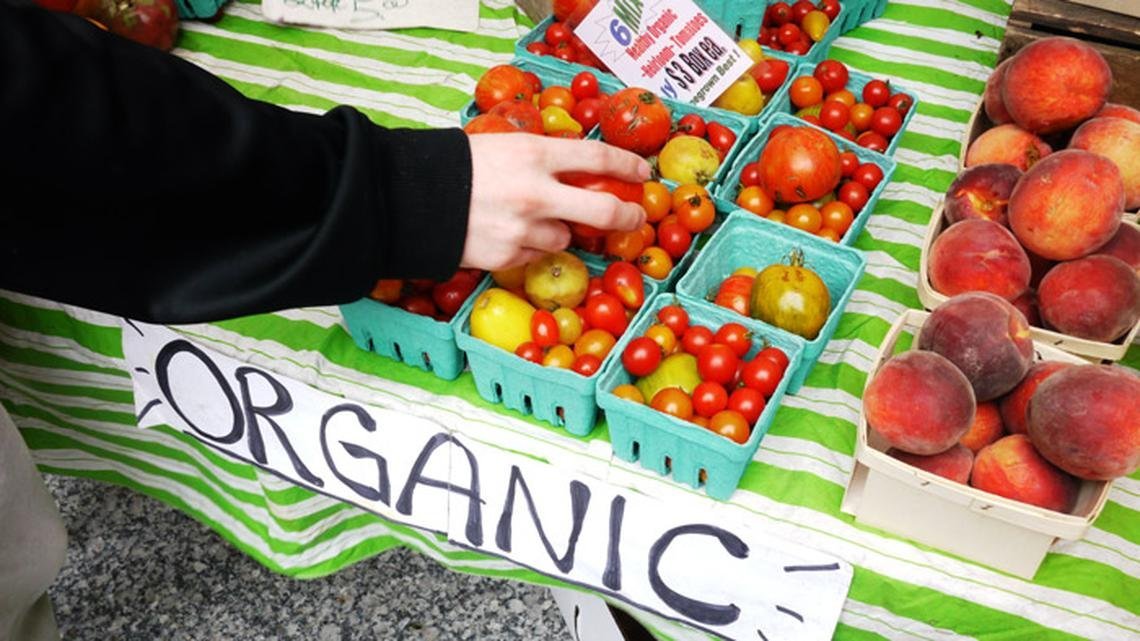
The World Health Organization (WHO) states that 'Good nutrition is essential for survival, physical growth, mental development, performance, productivity, health and well-being across the entire life-span of children.' Proper feeding practices ensure good nutrition supply to your child. Awareness of improving the quality of foods that children consume is on the rise among parents.
In particular, 'organic food' is getting popular these days because of its safety factors and health benefits. National Program for Organic Production (NPOP) under the aegis of Ministry of Commerce and Industry, India initiated in 2002, with its logo of 'India Organic,' defines organic farming as the process of developing a viable and sustainable agro-ecosystem where the foods are grown without synthetic fertilizers, pesticides, fumigants (containing nitrogen or other heavy metals), human excreta, growth hormones or antibiotics. Let us further read to know how organic food differs from the conventional ones.
The term 'Organic' itself boosts up the safety factor in what you eat. This article highlights on the role of organic food in your child's health.
Difference between organic and normal (non-organic) food
Normal (Non-organic) foods are those that are grown in normal agricultural lands with the application of pesticides and other synthetic agents to curb pests, insects, and spoilage. These foods are the ones that are abundantly available in the market. On the contrary, organic foods are prepared, processed, and preserved in a natural, chemical-free environment. Organic foods must not have been treated with synthetic fertilizers, pesticides, or sewage sludge. An important condition for organic farming is that the land has to be free from the application of chemical substances for at least 3 years before the organic crops are grown. Meat, eggs, and milk must come from animals that are not treated with antibiotics or growth hormones and must be fed with organic feed and be raised according to specific health and welfare standards.
Reasons to have organic food:
1. Food safety
The prime importance of organic food over its counterpart is its quality and safety standards. In organic agriculture, the use of pesticides is restricted, while residues in conventional fruits and vegetables constitute the main source of chemical exposure in humans. The harmful effects of pesticides and other synthetic agents found in normal foods are well established. Hence, organic food is safer in terms of chemical exposure to your child.
2. Cognition
Epidemiological studies have reported adverse effects of certain pesticides on children's cognitive development at current levels of exposure. Some research says that certain preservatives like benzoic acid may increase hyperactivity in children with Attention Deficit Hyperactivity Disorder (ADHD), for whom organic food comes to the rescue. Many of the pesticides are reported to be neurotoxic in nature. You can safeguard your child from being exposed to these neurotoxic chemicals by including more organic foods in his diet. Omega-3 fatty acids and alpha-linolenic acid (ALA) are also claimed to be in higher amounts in organic foods, which are two important nutrients in improving your child's brain health.
3. Antioxidants
An important nutritional advantage of organically produced foods is their antioxidant effect. Antioxidants are vitamins and other nutrients that help protect your child's cells from the damaging effects of aging. Antioxidants are found in healthy foods, particularly vividly colored vegetables and fruits. Organically grown foods develop the capability to produce more antioxidants than conventionally grown foods, as an adaptive response to fight insect and fungal attacks. They contain anti-mutagenic and anti-cancer effects as well.
4. Antibiotic resistance
Antibiotic-injected chicken, meat, and eggs are making the rounds on news, as children who consume those may turn resistant to those antibiotics. Studies prove that the prevalent use of antibiotics in conventional animal production is a key driver of antibiotic resistance in society. Antibiotic use is less intensive in organic production and hence proves to be a better alternative.
5. Endocrine health
The pesticides and chemicals used in modern agriculture are known to be endocrine and hormone disruptors. These compounds seriously affect the reproductive systems and the sexual development of children. Endocrine disruptors also lead to obesity, diabetes, and other endocrine-related growth disorders. Organic foods may help keep your children at bay from these endocrine disruptors.
6. Food Diversity
There is a scope for a large market for organic food products meant specifically for children. These products include baby cereals, smoothie fruits, yogurts, toddler meals, biscuits, nibbles, and cereal flakes, which are specially produced, flavored, and packaged keeping in view the needs of children of different ages. When you visit a supermarket next time make sure you notice the variety of organic snacks racked together on the shelves.
7. Taste
Yes! Organic food tastes better. As we have all moved towards consuming more of the hilly fruits and vegetables, do not forget our heirloom crops. The millets, native breeds of fruits such as bananas, mangoes (Alphonso, etc.), vegetables such as drumstick, pumpkin, gourds, etc. are tastier when grown organic.
8. Nutritional quality
Organic foods are said to be rich in antioxidants, phenolics, vitamins A, C, and E, potassium, phosphorus, and nitrates. However, statutory bodies such as USDA do not vouch for the better nutritional quality of organic foods over conventional foods.
Overall, organic food production has several documented and potential benefits for your child's health.
Let us look at two recipes of organic food:
Soups and Stews: Soups and/or stews are perhaps the best nutrient-conserving foods
1)Drumstick soup:
Is a rich source of vitamin A & C and calcium. Drumstick helps in boosting your child's immunity and growth. Make a clear soup using drumstick (organically grown) with the usual native spices and greens like coriander, curry leaves along with salt and pepper.
2) Millet Buttermilk
Ingredients (all organic)
Millet flour (dry roasted and powdered millets)- 1 tbsp
Buttermilk- 1 cup
Cumin powder- tsp
Pepper powder-a pinch
Grated carrot (or) beetroot (or) mint (or) coriander-1 tbsp (optional)
Salt to taste
Method
Cook the flour in water for 1 minute till the mixture thickens. Cool the mixture. Blend the cooled mixture with all the ingredients and serve.
























Comments
Edit
Comment Flag
Cancel Update