
Planning to have an egg today? Why eggs are important for your child's nutritional needs
Shiny Surendran
They are an 'egg'-cellent reservoir of nutrients. Not only do eggs provide high-quality proteins, vitamins and minerals, they are also inexpensive and easy to cook
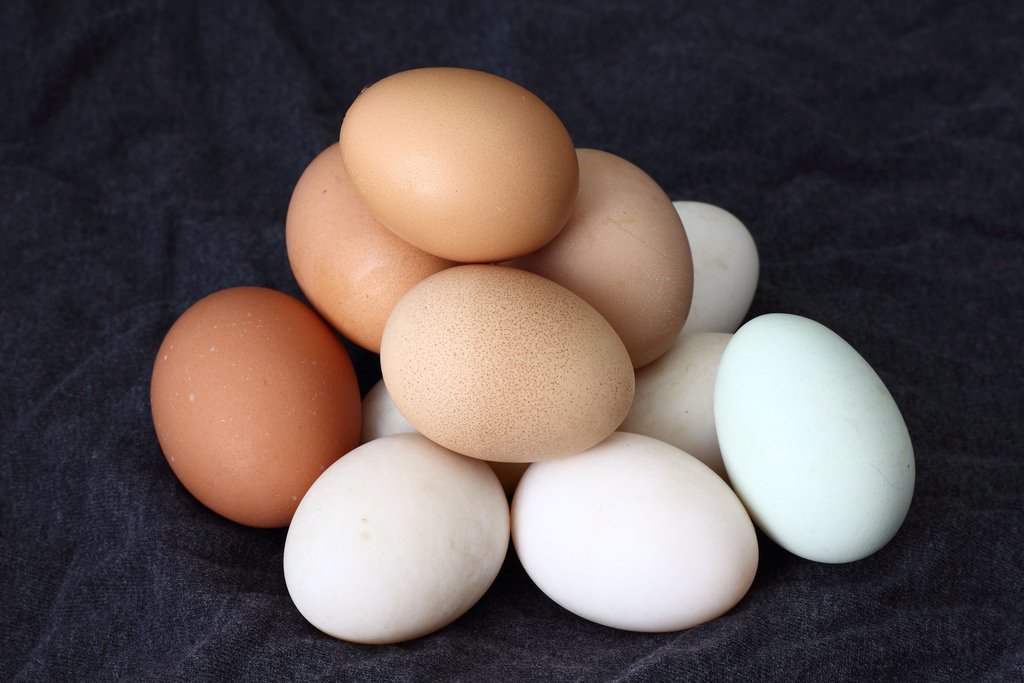
There is a reason why eggs have been consumed by humans for thousands of years. They are an important part of a child's diet because of their high nutrient value and an easy way to boost her physical and mental health. Whole eggs are wholesome, nutritious and easily digestible. They are rich in proteins, vitamins, minerals, fat-soluble vitamins and essential fatty acids.
How many eggs can children have per day?
Children between the age of 5 and 18 years can have 2-3 eggs per day. Eating eggs daily does not result in any adverse health effects unless an individual is allergic to them. However, there must be a balance between the protein consumed from eggs and the intake of fruits and vegetables. And, contrary to popular belief, egg yolk does not affect cholesterol levels in the body.
This is reiterated by the study, 'Eggs not linked to cardiovascular risk, despite conflicting advice', by the University of Sydney and published in the American Journal of Clinical Nutrition in the year 2018. It states that consumption of eggs has little effect on the levels of cholesterol in the blood of the people eating them.
The American Heart Association recommends 300 milligrams of dietary cholesterol (unsaturated fats) per day. This can include eggs, nuts, fish, avocados, and cold-pressed oils. It is important to know that bad cholesterol does not come from these foods, but from junk foods such as burgers, fries and samosas.
Why eggs are important for your child?
During the growing up years, children require optimal nutrition for proper growth and development and a nutrient deficiency at this stage can have adverse effects. This may result in your child being underweight or having stunted growth, as compared to other children of the same age. Therefore, parents must pay attention to the quantity and quality of foods given to the children. In this situation, incorporating egg in the diet on a regular basis is essential for the child.
Benefits of an egg
- Eggs contain vitamin A, lutein and zeaxanthin. They are antioxidants present in the egg yolk. These nutrients improve vision and protect the eye from age-related blindness.
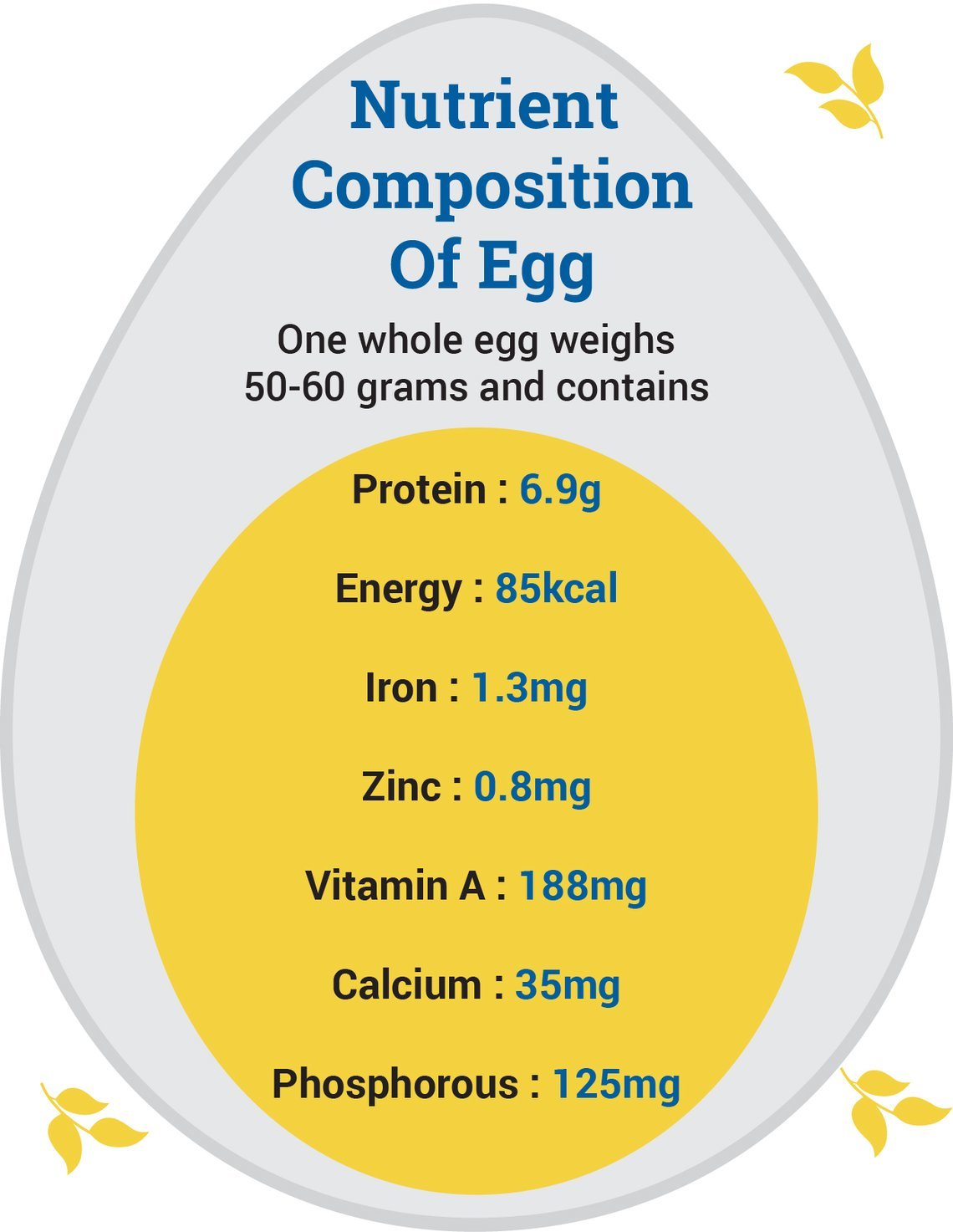
- A whole egg contains 6.9 grams of protein. It supports the physical growth and development in children. Deficiency of protein can lead to stunting (a condition where children are not able to grow or develop at a proper rate as compared to their age).
- Eggs help in boosting the memory of children as they are rich in omega-3 fatty acids and choline content. A Cornell University study published in the journal of the Federation of American Societies for Experimental Biology, suggests sufficient intake of choline can boost a baby's brain health.
- Children can easily absorb the heme form of iron present in an egg. It provides immunity and helps in the production of new blood cells. It also helps to prevent anemia. Deficiency will affect cognition and memory and can lead to poor performance at school.
Apart from the above properties, an egg also contains sulphur and biotin, which promote healthy hairs and nails.
Note: Avidin present in egg whites can lead to symptoms of allergy. A child should be given the egg yolk first and then be introduced to egg whites.
Some interesting food items where you can incorporate eggs
Eggs are familiar, popular and easy to prepare for kids. Here are some healthy ways in which you can incorporate eggs in your child's daily diet.
- Vegetable omelet
- French toast
- Egg custard
- Egg rolls
- Cheese omelet
- Scrambled eggs
- Egg Benedict
Safety tips to follow when buying eggs
There are many types of eggs available in the market. Choose free-range hen's eggs, which are the best for human consumption. Inspect each egg properly before buying it. Ensure there are no cracks in the eggshell.
There are a lot of misconceptions regarding eggs. Remember, including two to three eggs in your child's daily diet improves her physical and mental growth.
The Dot health and safety program for pre-primary children places strong emphasis on good nutrition and making wise food choices. We educate children on the importance of a balanced diet and provide guidance on selecting healthy foods, thus laying the groundwork for lifelong nutritious eating habits.






























Comments
Edit
Comment Flag
Cancel Update