
All About Carrots: A Crunchy Superfood Packed With Nutrition And Health Benefits
Dr Shyam Kumar
author parentcircle author parentcircle author parentcircle author parentcircle author parentcircle author parentcircle
The carrot has a reputation for improving vision. But do you know the various other health benefits of carrots? Learn why eating carrots or drinking carrot juice is beneficial to you and your family
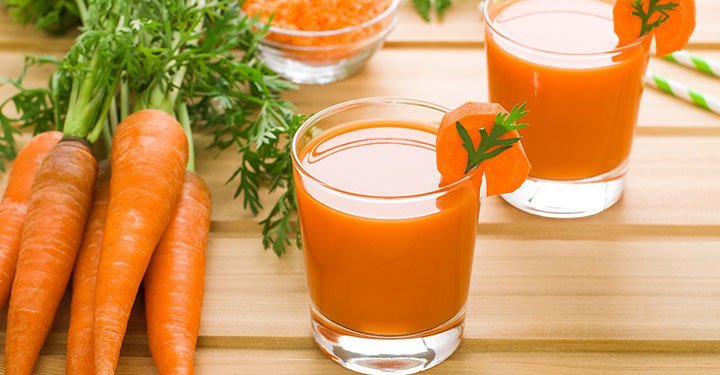
'Carrots are good for the eyes.' Perhaps this is the first thing that comes to your mind when you think of carrots. But do you know there is more to this wonderful vegetable in terms of its health benefits, medicinal properties and nutritional value? Apart from its numerous benefits for the skin, hair, vision, heart and liver, it is also a good first food for babies above six months of age. So, the next time you are munching on a carrot, drinking carrot juice or snacking on 'gajar halwa', it would be good to know how carrots are adding value to you and your family's health.
Interesting facts about carrot
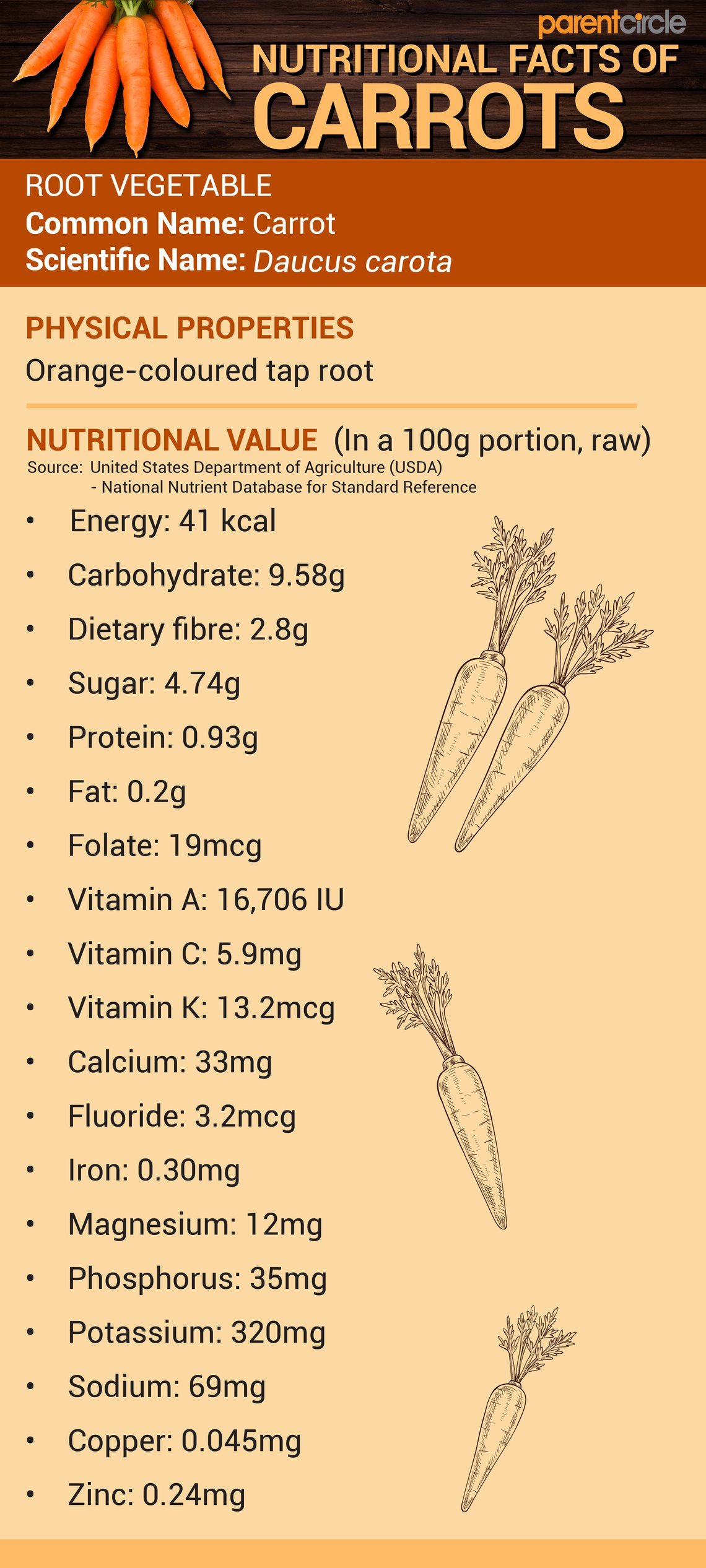
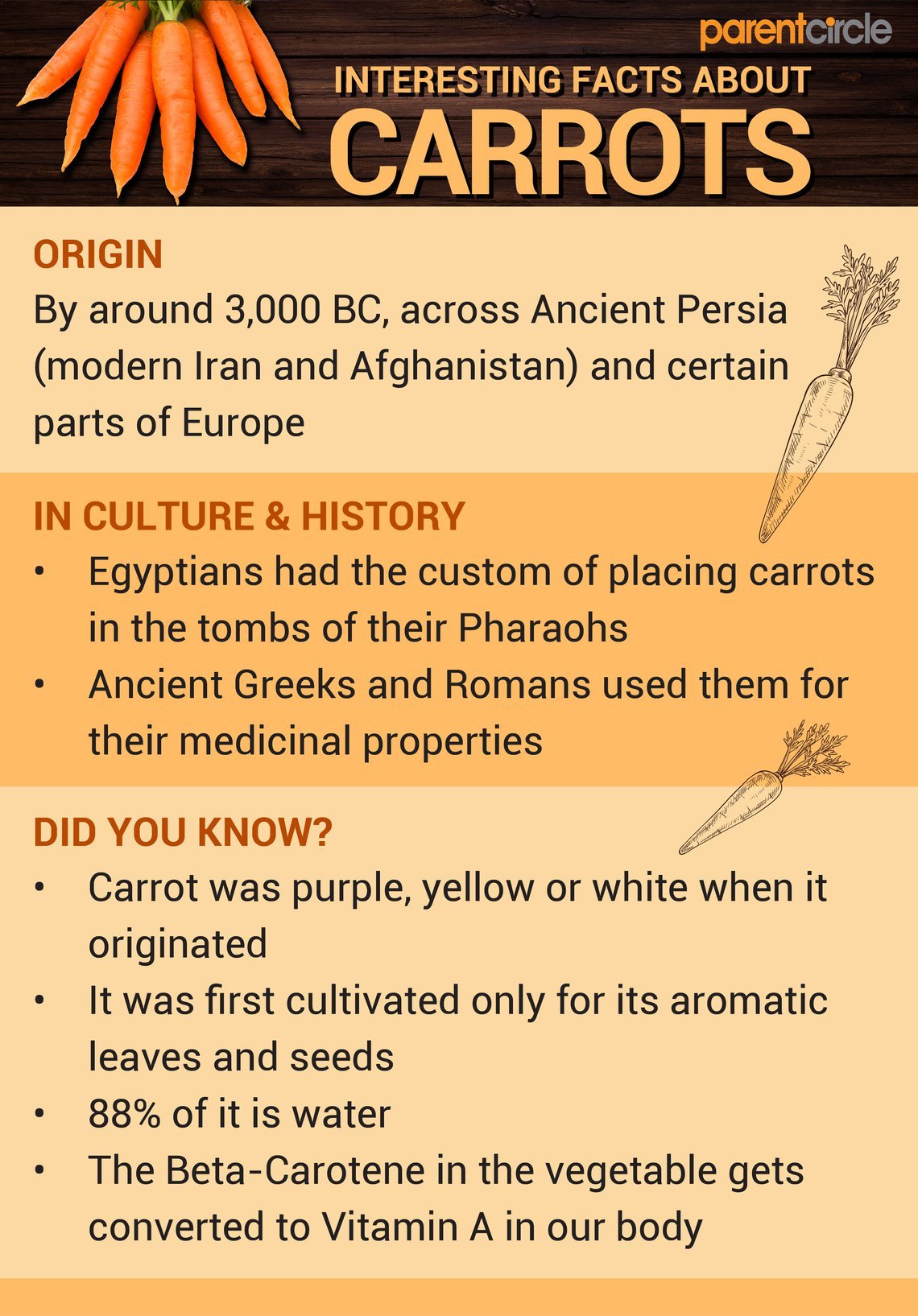
Carrot (gajar in Hindi) known by its scientific name Daucus carota L. is a root vegetable in the Apiaceae family. Carota is a Latin word which means 'burnt' probably referring to its colour. Records indicate that humans have been consuming carrots for over 4,000 years. The ancient Romans and Greeks considered carrot as a medicinal plant.
Carrots are usually orange in colour, although there are other varieties which are yellow, white, red and purple. The common varieties of carrots are Nantes, Imperator, Chantenay and 'Mini' or baby carrots. It can grow throughout the year in hilly regions and is a winter crop in the plains of North India.
Raw carrots taste a bit earthy and have a sweet flavour. Carrots are used in preparing curries, salads and pickles. 'Gajar halwa' is a delicious and popular sweet preparation with carrot as the main ingredient.
Carrot nutrition facts and health benefits
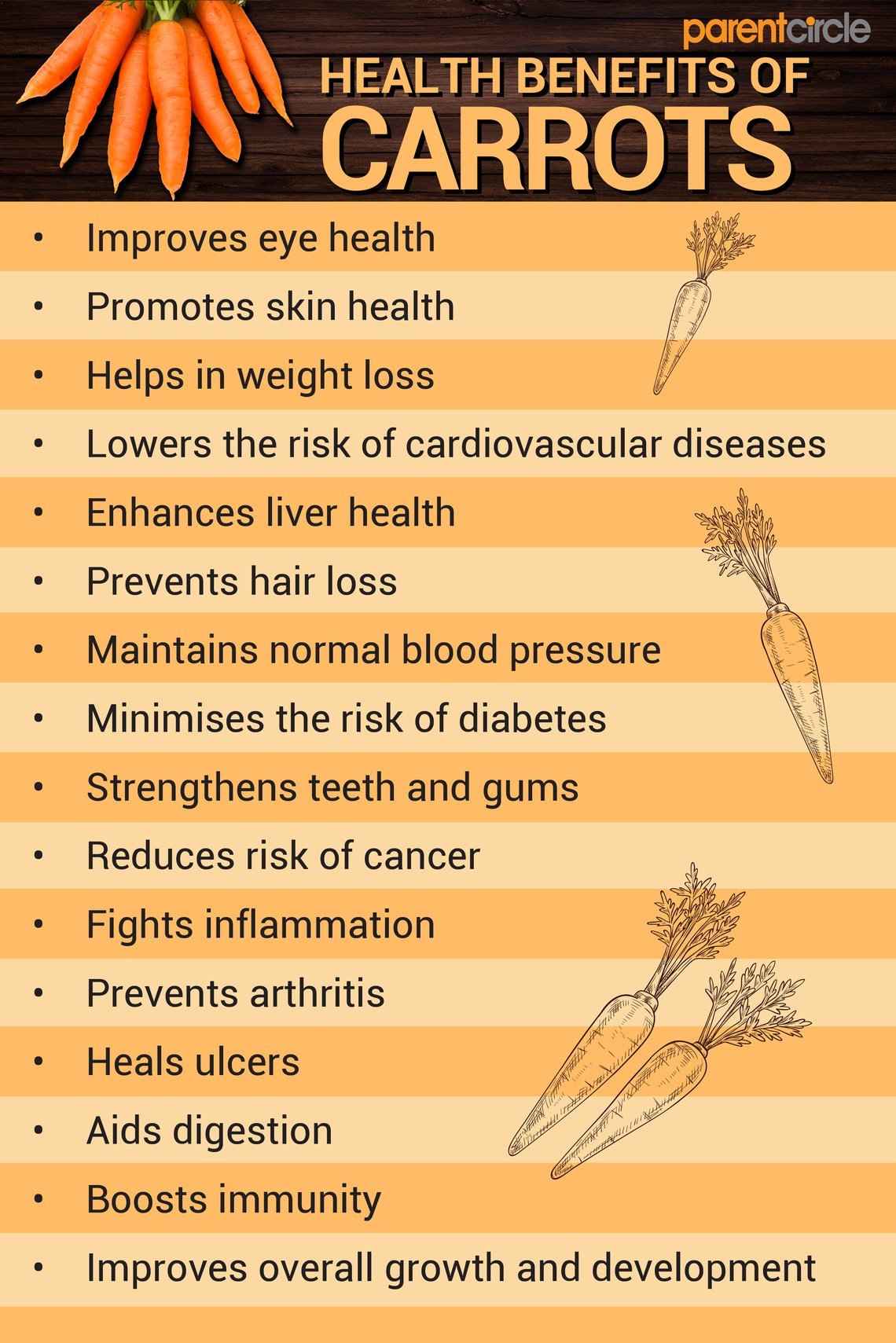
1. Benefits of carrot for the skin
Carrot is a good source of beta-carotene (8285.00mcg in 100mg of raw carrot). Beta-carotene is effective in protecting the skin from the harmful effects (solar erythema or sunburn) of ultra-violet (UV) rays as demonstrated in various studies. A review by Kopcke et al titled, 'Protection from sunburn with beta-Carotene - a meta-analysis', published in the journal Photochemistry and Photobiology in 2008 states as follows - "dietary supplementation of humans with beta-carotene provides protection against sunburn in a time-dependent manner."
Carrot also contains lycopene which is effective in reducing roughness of the skin due to its strong antioxidant properties. This was indicated in a study by Darvin et al where higher lycopene concentration was found to have a significant correlation with lower levels of skin roughness. Lycopene is also a photoprotective agent which protects the skin from UV radiation.
Vitamin C found in carrot is essential for maintaining good skin health and relieves skin disorders such as psoriasis and skin rashes. It prevents ageing and damage to skin by inhibiting oxidative stress caused by action of free radicals and hastens wound healing. It also activates fibroblast cells that produce collagen, which is responsible for keeping the skin smooth and firm.
2. Benefits of carrot for weight loss
Making carrots a part of your diet can help you lose weight faster. Since it is rich in fibre and low in calories, it helps you feel full longer and may prevent you from binge eating. These positive effects of having carrots as a part of a mixed meal are mentioned in a study by Moorhead et al published in the British Journal of Nutrition (2006).
A carrot-rich diet can stimulate bile secretion in the liver. Bile is a fluid which spikes up the rate at which fat is broken down in the body and gets converted to energy. A study by Hsu et al titled, 'Carrot insoluble fiber-rich fraction lowers lipid and cholesterol absorption in hamsters', published in the LWT - Food Science and Technology in 2006, shows that consumption of the insoluble fibre in carrot causes significant reductions in serum triacylglycerol and serum and liver cholesterol, while increasing fecal cholesterol and bile acid excretion.
3. Carrots' benefits in preventing cancer
Carrots contain carotenoids (alpha-carotenoid and beta-carotenoid) which are converted to vitamin A in our body. These carotenoids help to activate the enzymes that metabolise cancer-causing cells. Due to their importance in a cancer-protective diet, The American Institute of Cancer Research (AICR) has included carrots in its list of foods that fight cancer.
Vitamin C in carrots plays a role in fighting skin cancer. The antioxidant activity of vitamin C helps to ward off damage caused by free radicals and prevents the formation of nitrosamines, which is a carcinogenic compound. It also helps to maintain healthy immune function in the body.
Research also suggests that eating low starchy vegetables like carrots lower the risk of esophageal and stomach cancer. Presence of carotenoids helps to protect against lung, mouth, pharynx, and laryngeal cancers.
4. Carrots for cardiovascular health
There are many studies to show that a carotenoid-rich diet reduces the risk of stroke and heart attack. The anti-aggregatory property of polyacytelenes present in carrot reduces the risk of blood clotting. Also, potassium helps in tackling blood cholesterol level.
Dietary fibre plays a very important role in reducing the risk of cardiovascular illnesses. Raw carrot is rich in calcium pectate, a pectin fibre with amazing cholesterol lowering properties. Brouns et al in their study titled, 'Cholesterol-lowering properties of different pectin types in mildly hyper-cholesterolemic men and women', published in the European Journal of Clinical Nutrition in 2012, describe the effectiveness of pectin in lowering cholesterol based on its source and type.
The cardioprotective effect of dietary antioxidants on cardiovascular health is a well-established fact based on various studies. Consuming carrots can enhance the antioxidant levels in the body which decreases oxidative stress and prevents heart disease.
5. Carrots promote liver health
Antioxidants in carrots help in cleansing the liver of toxins and improve liver health. Beta-carotenoids, glutathione and flavonoids also play a role in maintaining healthy liver function. The high fibre content in carrot helps in the elimination of uric acid from the body and is useful in conditions such as gout and rheumatoid arthritis. The Arthritis Foundation website, in fact, lists carrots in its list of best vegetables for arthritis due to the presence of carotenoids like beta-cryptoxanthin, which reduce the risk of developing arthritis and other inflammatory conditions.
Benefits of drinking carrot juice
- Hair health: Carrots contain vitamin A, C, E, potassium and beta carotene, all of which are essential nutrients for good hair growth and hair thickness. All these nutrients help to enrich your hair and make it shinier and longer while preventing hair loss. Carrot juice mixed with olive or coconut oil is also used as a natural dye to give an orange to reddish tint to the hair.
- Eye health: Vitamin A, which is essential for ocular health, is a key nutrient found in carrots. It binds with the light-sensitive visual pigment, rhodopsin, which helps us to see better in dim light and at night. Lutein is an important antioxidant present in yellow carrots. Eating carrots results in increased lutein uptake which helps to increase the density of the macular pigment in the human retina. This, in turn, lowers the risk of developing macular degeneration. This is described in a 2004 study by Molldrem et al published in the American Journal of Clinical Nutrition.
- Teeth and gums' health: Drinking carrot juice can help you have stronger teeth and defends against cavity formation, plaque build-up and painful tooth decay. Vitamin A is a key nutrient for building tooth enamel and keeping your gums healthy.
- Heart health: Hypertension and stress are two major factors leading to cardiovascular diseases. In a 2011 study by Potter et al published in the Nutrition Journal, it was found that drinking carrot juice protects the cardiovascular system. It lowers the systolic pressure, raises the total antioxidant status, and decreases lipid peroxidation in adults.
- Diabetes control: Being low in calories, carrot juice is an excellent drink for diabetic patients. Its rich vitamin A content is beneficial for the eyes and prevents degenerative disorders leading to vision loss. When you drink carrot juice, you provide the body with antioxidants that help in faster healing of cuts, burns or ulcers in a natural way.
Carrot for babies

Carrot pure is an excellent choice of first food for babies as it is soft in consistency and tastes sweet. Also, carrot juice for babies is extremely beneficial for their overall growth and development.
To know more about the health benefits, nutritional value and side effects of giving carrots to infants, read - Carrot For Babies.
Disadvantages of eating carrots
As with any other food, overconsumption of carrots can also result in uncomfortable side effects. A few of these side effects are listed below:
- Flatulence: Sugars and starches in carrots may cause gassiness or bloating symptoms. Also being rich in fibre, it is only digested on reaching the small intestine. The undigested fibre in the colon gets fermented and releases gas.
- Stomach pain: Some individuals may develop abdominal pain after eating raw carrots. This can be either due to gas, difficulty in digestion or a condition called irritable bowel syndrome. It is best to see a doctor if you persistently suffer such symptoms after consuming carrots.
- Impaired absorption: Fibre can interfere with nutrient absorption resulting in poor uptake of essential nutrients like zinc, phosphorus, calcium and magnesium. This can result in deficiency of these nutrients.
- Carotenaemia or carotenosis: This condition occurs when excessive consumption of carrots over a prolonged period causes a spike in beta-carotene levels in the blood. This results in yellowish discoloration of the skin, prominently in the palms and the soles. However, this condition is harmless and occurs rarely.
- Hypervitaminosis or vitamin A toxicity: According to the Office of Dietary Supplements - NIH, the recommended dietary allowances for vitamin A in a healthy adult male is 900 mcg and 700 mcg for females. In cases of carrot overconsumption, the individual may develop symptoms of vitamin A toxicity such as carotenaemia, drowsiness, abdominal pain, irritability, nausea and vomiting. To avoid this condition, it is preferable to go on a low-carotene diet.
Healthy ways to eat carrots
Eating cooked carrots helps in better absorption and utilisation of beta carotene when compared to eating it raw. This is because cooking breaks down the cell walls of the vegetable and makes the nutrients available for absorption. Also, vitamin A is fat soluble, so eating carrots along with a fat source such as sunflower oil or olive oil aids in greater absorption.
Here are some healthy ways to eat carrots:
- Carrot pure
- Carrot juice
- Carrot soup
- Steamed or boiled carrots
- Roasted carrots
Uses of carrot
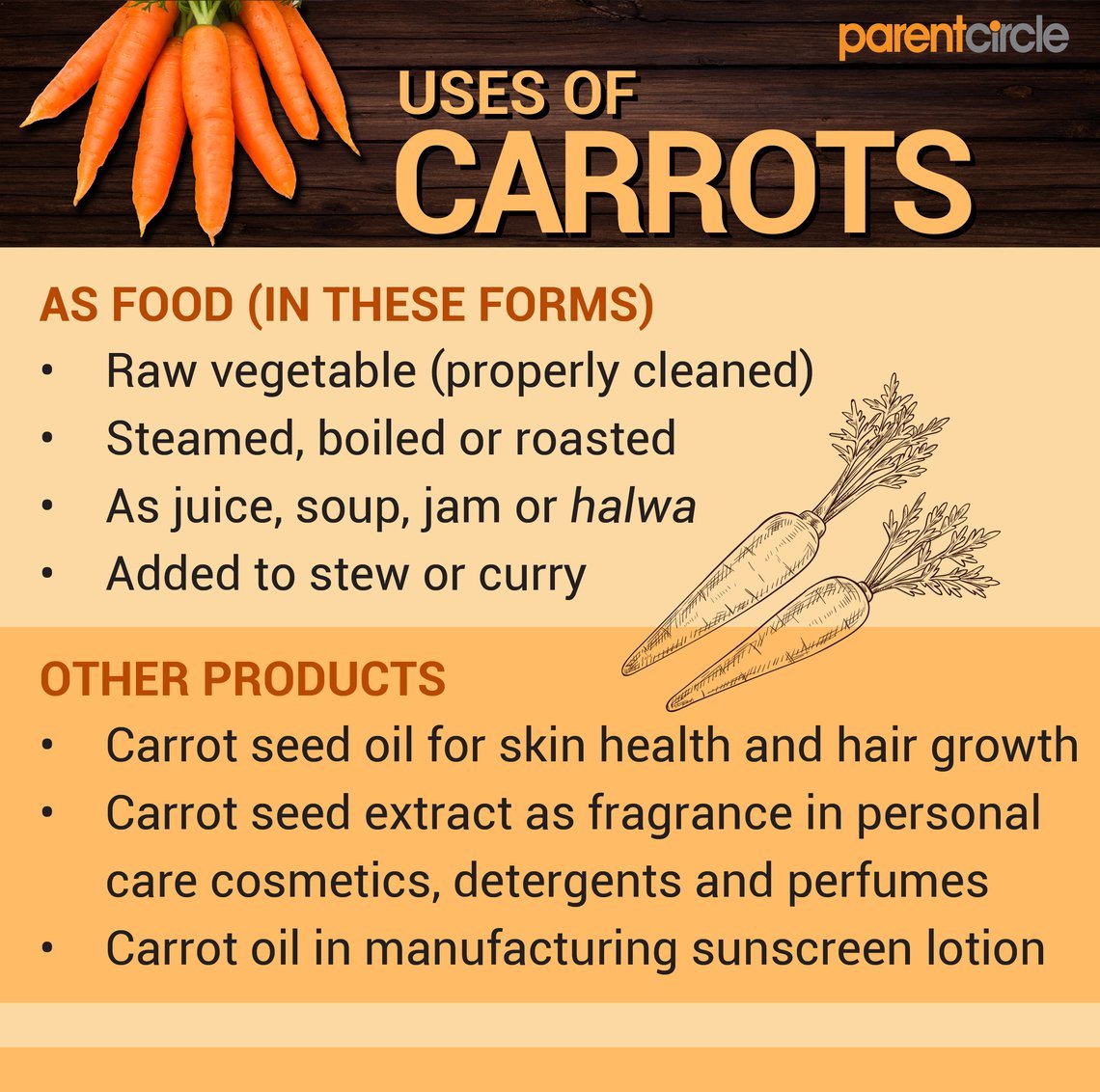
Uses of carrot in food
- Carrot powder is used for flavouring various food products.
- It is used as a natural food colourant and as a soup thickener. It is also mixed with flour for baking bread and cakes.
Medicinal use of carrots
- Carrot juice is effective in cleansing the intestine and flushing out intestinal worms.
- Carrot seed oil is used to heal the skin and for healthy hair growth because of its antibacterial and antioxidant properties.
- In traditional medicine, juice of carrot is also used as a diuretic to eliminate excess fluids from the body.
Carrots in cosmetic products
- Carrot seed extract is used as a fragrance in soap, detergent, cream, lotion and perfumes.
- Carrot root oil is used to prepare sunscreen lotions.
With all this information on this nutritious vegetable, ensure it features regularly in your dinner plate.
The Dot health and safety program empowers children with the skills to stay safe and healthy and make healthy food choices.























Comments
Edit
Comment Flag
Cancel Update