
How to introduce cow milk to baby's diet? Know all about the health benefits and side effects
Amrita Gracias
Cow milk has a high nutritional value. But is it safe for infants? Read on to know more about various health benefits of cow milk for babies, side effects and the type of milk most suitable for your little one
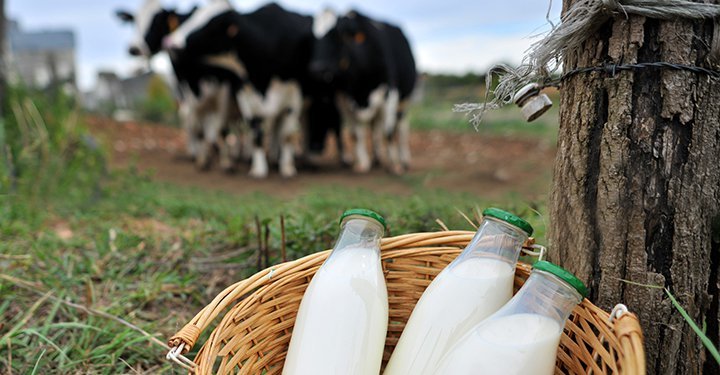
In India, cow milk is an essential part of almost every child's daily diet throughout their growing years. But is cow milk for infants the right food? Or should you give your baby cow's milk formula? Should you give your infant only breast milk and nothing else?
Let's delve a little deeper to find answers to all these questions and understand the effect cow milk can have on your baby's health.
Milk is a primary element of the dairy food group. Because of its high nutritional value, it is essential for the growth and development of young children.
Usually, cow's milk is introduced to a child's diet only after the infant is one year old and has started eating solid foods. Prior to this age, only breast milk (or formula, in specific instances) is recommended. This is because cow milk contains high amounts of protein and minerals, and isn't easy for an infant to digest.
However, as infants turn into toddlers, some factors that necessitate introducing cow's milk into their diet are:
- The child relies less on breast milk or formula for nutrition.
- Cow milk along with other solid foods like cereals, vegetables, fruits, and meat provides the much-required balanced diet.
- Milk becomes the main source of calcium and Vitamin D.
- Cow milk is recommended if the child is not being breastfed (because of specific reasons).
- The fat in cow milk is essential for brain development, during the first two years of life.
Health benefits of cow's milk
Cow milk is a rich source of various vitamins and minerals that are essential for proper growth and development. Let's take a look at how the nutrients present in cow milk help a child stay healthy:
- Calcium: One of the essential minerals, calcium is required for the growth and development of bones and teeth. However, it also supports various other bodily functions such as clotting of blood, healing of wounds, and maintaining normal muscle contractions, including those of the heart. In fact, the body absorbs calcium more easily from milk than it does from other calcium-rich foods.
- Vitamin D: Cow's milk contains vitamin D, which is another nutrient that supports bone health and cell regulation. It also helps in the absorption of calcium, especially in the small intestine. Vitamin D also promotes the production of serotonin - a hormone that is associated with sleep, appetite, and mood.
- Fat: Apart from supporting brain development, the fat in whole milk provides the much-needed energy that toddlers require. It also helps the body bulk up. The energy obtained from the saturated fat in the milk prevents energy from being used from the muscle mass.
- Proteins: These are essential for growth, transmission of nerve impulses, and fat absorption. They promote cell repair while regulating and maintaining the immune system. Proteins also contain all the nine essential amino acids that are required for the body to function at its optimal level. The two main proteins found in milk are casein and whey. Casein benefits the digestive and immune systems and whey contains branch-chain amino acids that are necessary for building muscle and preventing muscle loss.
- Phosphorous: Phosphorous supports the production of DNA and RNA, helps filter the waste from the kidneys, assists in muscle contraction, and aids in building strong bones and teeth. This essential mineral is also known to grow, maintain and repair cells and tissues. Our body cannot absorb phosphorus from whole-grain foods; so, drinking milk is necessary to get the required dose of phosphorus.
- Riboflavin (Vitamin B2) and Cobalamin (Vitamin B12): Riboflavin helps break down proteins, fats, and carbohydrates. It is also crucial for maintaining the body's energy supply. Cobalamin is essential for the formation of red blood cells and is also responsible for maintaining healthy nerve tissues.
- Potassium: Potassium helps prevent the loss of muscle mass and preserves bone mineral density. Together with sodium, it controls the water balance in the body.
- Choline: This is a water-soluble nutrient that is important for sleep, muscle movement, learning, and memory. It also helps maintain the cellular membrane structure.
A2 type milk versus A1 type milk
A1 and A2 types of milk are produced by different cattle breeds. Both A1 and A2 are two types of beta-casein - a protein found in milk. Beta-casein is the second most prevalent protein in milk after casein. It is present in about 13 different forms, the two most common being A1 beta-casein and A2 beta-casein.
It is widely believed that A2 milk is healthier than A1 milk, which is more difficult to digest. This is because an opioid peptide called beta-casomorphin is released while digesting the A1 beta-casein. Research has shown that this peptide can be linked to certain health conditions such as digestive problems, Type 1 diabetes, and even autism.
In India, most store-bought milk brands contain A1 proteins. This is largely due to the milk being obtained from hybrid cattle breeds that are raised to increase the production of milk. A2 milk is produced by cows that belong to breeds that are native to India.
Which is the best cow milk for babies: whole milk or low-fat milk?

Generally, whole milk is recommended for toddlers, especially if they are not breastfeeding. Whole milk provides the required calories and fat, which are necessary for brain development. It also has a higher amount of Vitamin D compared to low-fat milk. Besides, it also tastes better; so, it is more likely that a child will take to it.
Low-fat milk is prescribed only if a child is overweight. However, it is advisable to consult your child's pediatrician in this regard. Also, low-fat milk is recommended for children after the age of two, to reduce the risk of obesity.
How to introduce cow milk into your toddler's diet
Introducing cow milk to your toddler can sometimes prove to be a challenging task. It is, after all, a new taste for them. Moreover, cow milk is not as sweet as breast milk or formula. So, there are chances that they may not take to it easily.
Here are some tips to help them get used to the new taste.
- You can mix the milk in a 1:3 ratio with either breast milk or formula (depending on what your child has been drinking). Gradually decrease the amount of breast milk/formula and increase the amount of cow milk.
- If your child is used to drinking formula that is warm, then continue to give them cow milk at a similar temperature.
- Instead of giving milk in a bottle, offer it in a cup with a straw. This should greatly help in the transition.
- Although your child's milk consumption is bound to reduce (this is normal), avoid replacing meals with milk.
- You can also offer milk in other ways - in cereal, scrambled eggs, custard, or even mashed potatoes.
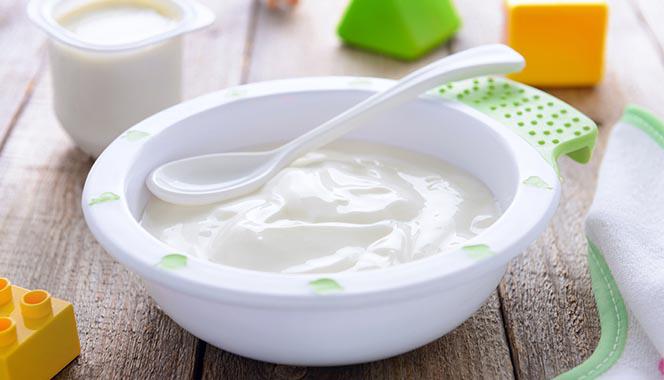
- Offer other milk products like yogurt or cheese.
How much cow milk does your child need?
Here is an age-wise chart that explains how much cow milk your child should consume daily.
Age and amount of milk (per day)
|
However, do remember that your growing child needs a balanced diet with the required nutrients from all the food groups. And, milk cannot replace these food sources.
Cow milk side effects - signs and symptoms
In some cases, cow milk may not agree with your child. There are two main causes for this - milk allergy and lactose intolerance. Both have similar symptoms but are very different conditions.
Milk allergy: Cow milk happens to be one of the eight leading causes of allergies in children. The allergic reaction occurs due to an immune reaction to one of the several proteins that cow milk contains. Symptoms include:
- stomach cramps or pain
- nausea with vomiting
- diarrhoea
- skin rash with eczema-like conditions (dry and itchy skin)
- wheezing and cough
The allergic reaction is usually slow with symptoms not occurring immediately; they occur after several hours or even a few days.
Lactose intolerance: This occurs when the small intestine does not produce enough lactase - a natural enzyme that digests or breaks down lactose, which is the main sugar present in milk and milk products. Due to a lack of lactase, the body is unable to digest lactose. Symptoms of lactose intolerance include:
- stomach cramps or pain
- loose stools with gas
- bloating of stomach
- skin rash
These symptoms occur almost immediately - within 30 minutes to two hours - after consumption of foods that contain lactose.
Other side effects of over-consumption of milk include excess calcium, potassium, and phosphorus in the body. Here is what happens when there is a surplus of these minerals in the body:
- Calcium: Excess calcium causes constipation as milk does not contain any fibre. Also, if your child is consuming too much milk, it may mean that he isn't eating enough other nutritious foods. This can lead to iron deficiency anemia because milk does not contain any iron. Excess calcium in the blood also causes the kidneys to work more to remove the surplus mineral. This can cause the thyroid gland to overwork to produce more calcitonin (a hormone released to regulate calcium levels), leading to an overactive parathyroid gland.
- Potassium: Excess potassium can cause a condition called hyperkalemia. This happens when the kidneys are unable to remove the excess potassium from the body.
- Phosphorous: Surplus phosphorus in the body causes the hardening of organs and soft tissues. It also results in a condition called hyperphosphatemia. This happens when the kidneys are unable to remove the excess phosphorus that builds up in the blood. This leads to calcium depletion from the bones, which then become weak.
Cow milk is an essential food and should be an integral part of your toddler's diet. However, do make sure to introduce it into your child's diet at the right time - only after they reach the age of one. For, giving cow milk to infants can be unsafe. Also, ensure that you get the milk from a trusted source, as cattle are injected with antibiotics and hormones that can be harmful to your child's health.
That being said, milk is perhaps one of the most nutritious foods you can give your child. Getting them used to a glass or two a day lays the foundation for healthy eating habits.



























Comments
Edit
Comment Flag
Cancel Update