
Dealing With The Pandemic: A Parents Guide
Team ParentCircle
The Covid-19 situation was one that proved to be stressful and difficult. To understand the situation, we talked to a leading paediatrician, Dr Atish Laddad. A ParentCircle exclusive
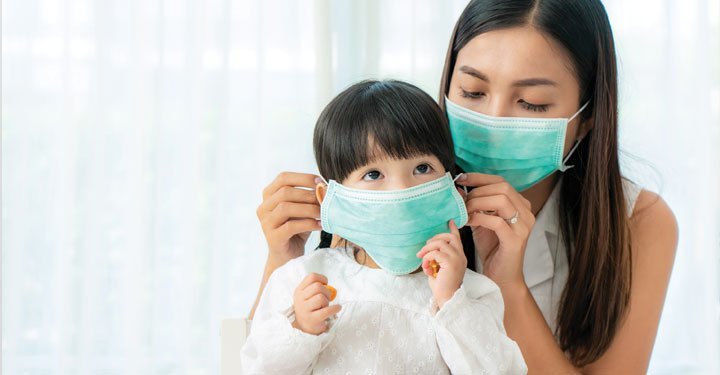
Ever since the outbreak of Covid-19, we, at ParentCircle, have been receiving many queries from parents. These range from health issues to emotional challenges and the struggles related to keeping children engaged. We have been addressing them in multiple forums. Here, we look at parents' common concerns about their children's health. Lets hear from Dr Atish Laddad:
Q. Can I postpone my child's regular vaccines until the COVID-19 situation improves?
A. I understand parents fear stepping out now, but immunizations are essential and must not be missed or postponed at any cost. Delays in immunization, even for a transitory period, will increase the probability of outbreak-prone, vaccine-preventable diseases in children. So, please make sure you give your child her vaccines on time, while taking all the necessary precautions (wearing masks in public, physical distancing, hand hygiene, etc.) to safeguard yourself and your child from COVID-19.
Q. Should I completely avoid giving anything refrigerated to my child to prevent throat infection, till COVID-19 disappears?
A. Some people claim that consuming anything cold can cause a sore throat or cold. While there is no scientific evidence to support this, I would recommend that parents be extra cautious now, with COVID-19 catching pace in our country. So, it is better for children to avoid cold food or drinks now, especially if your child is susceptible to colds or flu. You can bring the food item to room temperature before giving it to your child. However, I must add that throat infection is very common among children and there is nothing to worry about if your child contracts one. Sometimes, the throat infection is simply part of the common cold and gets cured without any treatment.
Q. Are there any specific foods that are normally healthy for children, but should be avoided during colds?
A. Vitamin C-rich citrus fruits such as oranges, grapes and lemons are extremely healthy and known to be good for the immune system. But citrus fruits can sometimes worsen throat irritation for some people, at least temporarily. So, it may be better for your child to avoid citrus fruits for a short time, till his cold gets better. But I would also like to add here that limited research that is available, shows that consuming Vitamin C during an illness can sometimes help speed up recovery, though very marginally. There is no consensus yet on this. Consider how your child has reacted to citrus fruits during cold in the past and decide accordingly.
Q. If my child complains of a headache or an itchy throat, should I take my child to a doctor?
A. As adults, it is very common for a child to experience different types of headaches, including migraine and stress-related headaches. They are usually treated with simple home remedies and rest, and sometimes using medication. So, a headache does not require a visit to the doctor, unless the headache is severe enough to wake your child up from sleep or is making him irritable.
Itchiness of the throat is also not a reason for parents to worry. Make sure your child does not consume anything cold or fried as it can sometimes aggravate the itchiness. But you must consult with your pediatrician if your child has trouble swallowing, is refusing to eat her normal diet or drink anything, drooling, experiencing breathing issues, vomiting, or has unbearable throat pain or headache. If your child does not have any of the above symptoms, he will be fine in a day or two.
Q. My child is too young to understand the importance of wearing a mask while stepping out and keeps pulling it out. So, should I avoid going out at all?
A. Firstly, children under the age of two should not be masked with cloth coverings since it can increase the risk of suffocation. This is because babies' airways are much smaller, so inhaling through a mask is even more challenging for them. Babies are also not capable of taking out the masks themselves like adults or older children, in case they face any breathing difficulty. So, the best way to protect your young child from COVID-19 is to limit his exposure and avoid unwanted public contact. If it is essential to take your child out, you can cover his face with a blanket to allow him to breathe comfortably. You should also teach your toddler proper handwashing skills and instruct him to limit touching his face.
Q. If I develop a fever or cough, is it OK to continue breastfeeding my child?
A. If a breastfeeding mother catches a cold or has a fever, she can continue to feed her child. Right now, the limited data available suggests that the virus is unlikely to pass to the baby via milk. On the contrary, the affected mother's breastmilk will comprise essential antibodies, so it lowers the risk of the baby contracting the same bug. So, continuing to breastfeed your child can help safeguard his health. However, if you develop a cough or fever, wear a cloth face covering while breastfeeding and wash your hands before each feed.
Q. If I develop COVID-19 symptoms, should I completely isolate myself from my child?
A. Yes. If you develop any COVID-19 symptoms like fever, cold, or difficulty in breathing, you must isolate yourself from all your family members including your child.
Q. If my child tests positive for COVID-19, will he be isolated in a hospital? Can we accompany him?
A. All healthcare institutions are totally committed to the safety of the patients and have stringent infection control policies in place. At the moment, it is recommended that family members stay away from the affected individual and quarantine themselves at home. It is, no doubt, challenging for parents and children to stay away from each other, especially if the child is young. So, depending on the situation, parents may be allowed to accompany their child to the hospital, but they will most likely not be allowed to enter the ward, to curb the spread of the virus. Keep checking the changing rules to keep yourself updated on the subject.
Q. Is it OK to let my child sleep with the air conditioning on through the night, if that's what he's comfortable with?
A. Yes, it is safe to let your child sleep with the AC on through the night. But the government has issued guidelines on the right use of AC in the current scenario to resist the virus. So, just make sure you follow those guidelines temperature should be between 24C and 30C (humid places to operate AC at 24C and dry places at around 30C). Relative humidity in the room should be between 40 and 70 percent.
Make sure the room is ventilated when the AC is on you can keep a window or the door slightly open and if possible, allow the exhaust fan to run in the adjacent bathroom the entire time the AC is on. When the AC is not in use, open out all the windows and allow fresh air. Also, make sure that the AC filters are cleaned regularly.






















Comments
Edit
Comment Flag
Cancel Update