
Technology and cognitive development
Team ParentCircle
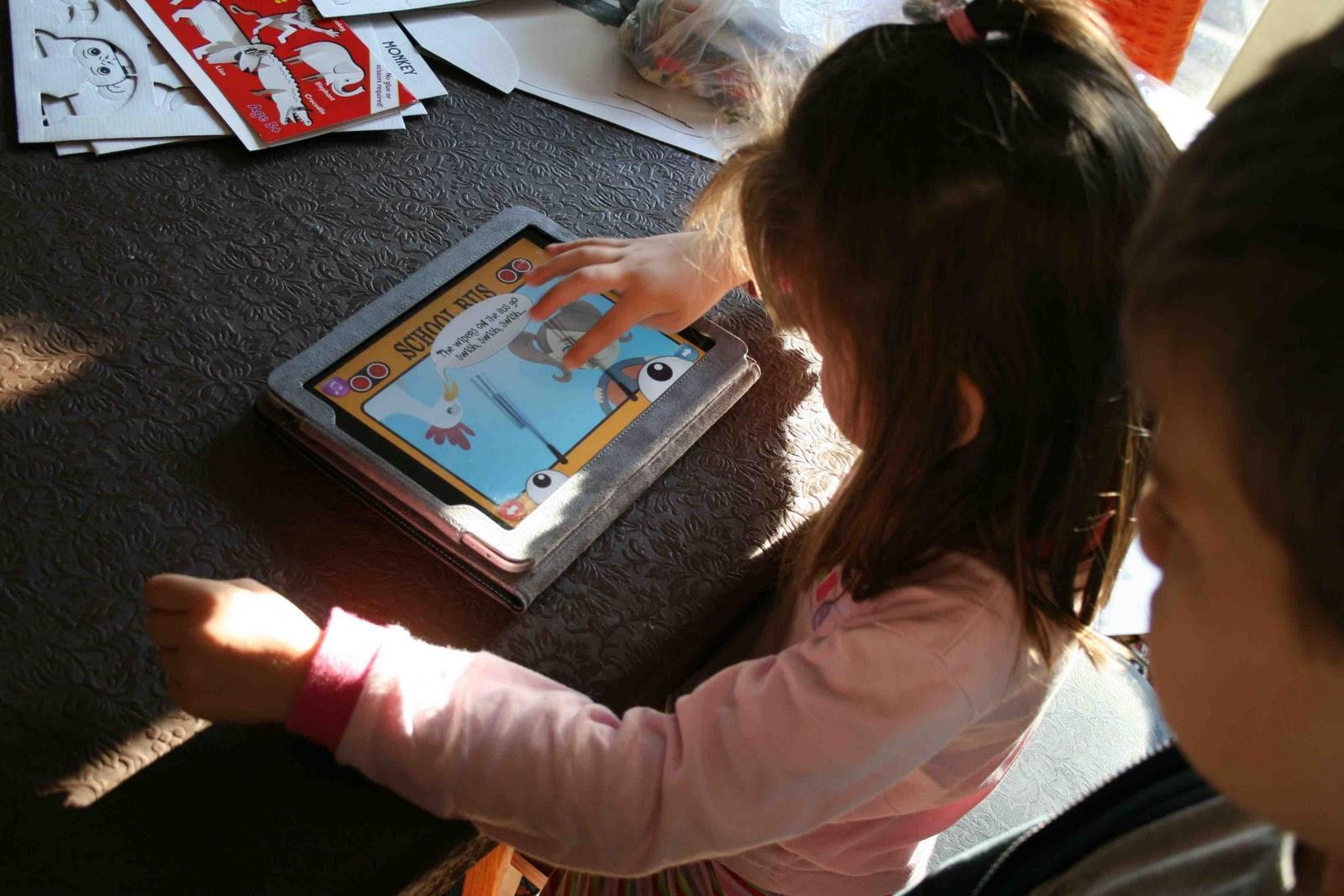
Technology is an inseparable part of children's lives today. Children now have access to a variety of gadgets and thus get exposed to technology from a very young age. This has led to increasing parental concern as to how technology might be affecting the cognitive development of their children. According to dana.org, "A central tenet of neuroscience, for example, is that the brain continues to develop its 'wiring diagram' at least well into a person's 20s. The frontal lobes, regions critical to high-level cognitive skills such as judgment, executive control, and emotional regulation, are the last to fully develop. It is also well accepted that during this extended developmental period, the brain is highly adaptable to and influenced by external environmental circumstances."
Research is ongoing on the various aspects of how technology affects the brain functions of children. But it is yet to be determined as to how much technology exposure is too much for the developing brains of children. An article in Forbes says, "It has been suggested that the developing brain and central system may in fact be more vulnerable to radio frequency exposures." But this doesn't necessarily mean that exposure to technology harms children.
In fact, research has indicated that appropriate and moderate use of technology may be good for the intellectual and social development of children. Video games have been shown to improve motor skills, problem-solving capabilities and hand-eye coordination in children. It is up to the parents to decide how much technology exposure is appropriate for their children.
For more on this topic, you can read the articles in this ClipBook.
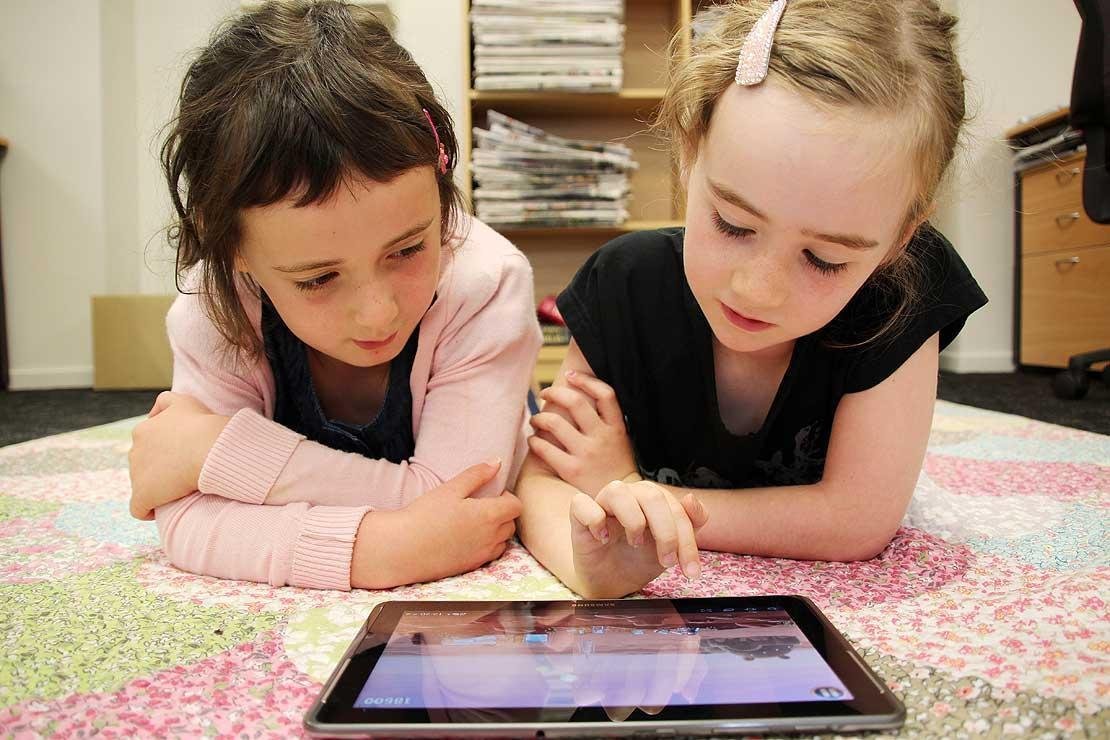
How technology enhances a child's development
Through the use of technology, children learn technology skills, while enhancing social and cognitive development. As children use the computer and other forms of technology, they have the opportunity to meet numerous technology standards...
More at: www.education.com

Brain development in a hyper-tech world
In the face of this nonstop barrage of technology-induced stimulation, a question on the minds of many parents, educators and scientists is: how are all these factors affecting young brains? The question is an important one, and from a scientific standpoint, reasonable to ask given what is known about the developing brain...
More at: dana.org
How cognitive skills and academic performance are affected
Computers and the Internet are used widely by children for schoolwork and to obtain information, but whether home computer use can make children "smarter" remains an open question. Nevertheless, playing specific computer games has been found to have immediate positive effects on specific cognitive skills.
More at: www.futureofchildren.org

Benefits of exposing young children to modern technology
Recent studies show that active (or interactive) technology and screen time can actually help develop and improve your kid's learning when used appropriately. Here are 10 ways your kids can benefit from technology and active screen time...
More at: digiparenthood.wordpress.com

Can smartphones adversely affect cognitive development in teens?
The debate over whether the use of mobile technology found in smartphones has an effect on brain development in children and teens has been an ongoing concern of parents and educators. With the widespread use of this technology, the question remains whether the use of such phones can lead to long-term cognitive effects that impact language development skills, memory capability and maintaining focus on tasks at hand...
More at: www.forbes.com
































Comments
Edit
Comment Flag
Cancel Update