Does your child dislike greens? Does he turn his nose up at the sight of beet greens? It's time to realise that your child is missing the healthier part. Read on to know more
I'm strong to the finish, 'cause I eats me spinach, I'm Popeye the sailor man! (toot, toot) - Popeye

A frail-looking Popeye gets bulging biceps and superhuman powers as soon as he gulps down a can of spinach. Yet, greens are very low in popularity when compared to other vegetables. They are considered the poor cousins of 'high-end' vegetables like broccoli. They are low on the taste quotient as well. So what makes them the most highly sought-after vegetable among nutritionists and health experts? What's in this green vegetable that makes it so powerful, you may ask?

Greens may not top the vegetable charts but they make up for this by being nutritionally rich. They give you a good dose of fibre and vitamins A and C. They are very low in calorie and hence good for the heart. They are also full of antioxidants and can prevent cancer.
When we say greens, why do we limit ourselves to the commonly eaten spinach, cabbage or other leafy vegetables?
Go for greens that are generally discarded as 'unnecessary'. Traditionally, greens like sweet potato leaves, drumstick leaves and others were used in Indian cuisine to make healthy dishes. Bring these greens back to your kitchen. Include them frequently so your child grows up with an awareness of their health benefits and yummy flavours.
We've handpicked a list of greens that your kid may probably not have tasted in his lifetime. Also check out some brilliant ideas to include them in delicious main dishes, mouth-watering side dishes or sumptuous snacks.
Nutritional benefits
Beet leaves fall under the 'dark, leafy' category. The leaves of this root vegetable help ward off osteoporosis, work with calcium to boost bone strength, and play a role in fighting Alzheimer's disease.
Beet greens have more iron than the beetroot itself. The vitamin A content in beet greens helps strengthen the immune system. It has beta-carotene that fights cancer and heart disease.
Ways to include in your child's diet
Nutritional benefits
Turnip greens are a great source of vitamin A and beta-carotene. Consumed raw, it is known to act as a natural sunscreen. It has cancer prevention properties as well.
Ways to include in your child's diet
Nutritional benefits
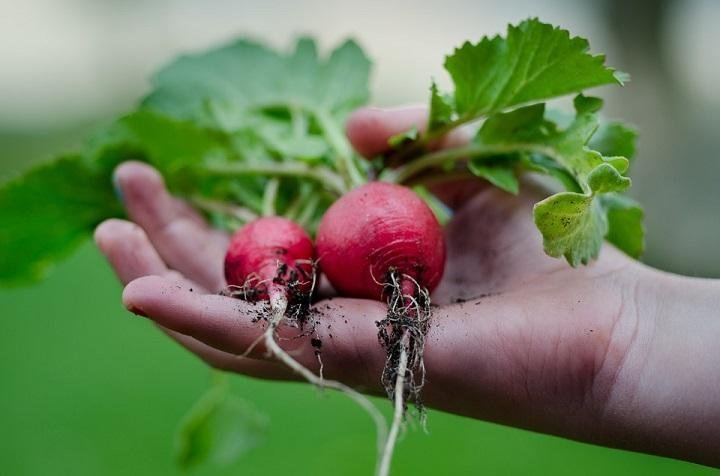
Radish leaves are rich in calcium and vitamins. They are useful in treating jaundice, urinary infection, heartburn and acidity. They are also known to purify the blood and improve the haemoglobin count.
Ways to include in your child's diet
1. While tempering for dal tadka, throw in a handful of radish leaves in hot ghee and add it to the dal.
2. Add some radish leaves to the basil used to make your pesto sauce. Your little pasta lover will have no idea what is in it!
Nutritional benefits
Mustard greens are a good source of calcium, iron, magnesium, zinc, potassium and manganese. A rich source of vitamins and minerals, mustard greens work as a strong anti-inflammatory agent and improve cardiovascular health. They are good for the eyes and also improve bone strength.
Ways to include in your child's diet
Nutritional benefits
It is a good source of B vitamins, vitamin A, beta-carotene, vitamin C, vitamin K, calcium and protein. Drumstick, or moringa as it is commonly called, gives your child a great start to a heathy life.
Ways to include in your child's diet
It is better to consult a doctor or dietician before introducing greens to your child's diet. Green leafy vegetables contain nitrates. When consumed in large quantities, nitrates cause an unusual type of anaemia (low blood count) in young children.
Tip: Always buy greens that are in season and choose those with crisp leaves, which indicate their freshness.
Looking for a delicious greens recipe? Watch the video below.
It's great for your eyes and builds strong muscles. Read the following ClipBook to know what else makes spinach such a super healthy vegetable.
About the author:
Written by Maathangi Iyer on
Join our Circles to share, discuss and learn from fellow parents and experts!
Looking for expert tips and interesting articles on parenting? Subscribe now to our magazine. Connect with us on Facebook | Twitter | Instagram | YouTube
Comments
Edit
Comment Flag
Cancel Update