FEATURED
author parentcircle author parentcircle author parentcircle author parentcircle author parentcircle author parentcircle
When parents demonstrate good sanitation practices, children also find it easier to learn and follow them. Here's how you can teach your child the importance of sanitation and hygiene.
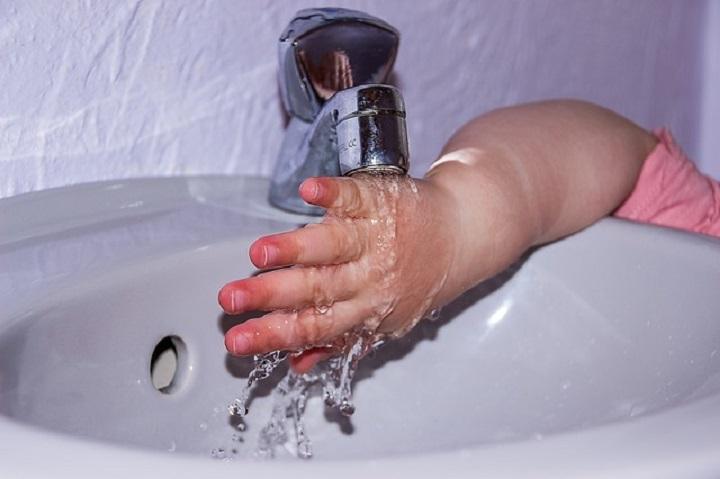
Educating children about sanitation and hygiene, and the important role of water in everyday life is key to good health and development.
1. What are some common practices in a household that cause the spread of germs?
Germs are everywhere and can easily be transferred from hands, feet and skin to our bodies. Some of these germs can cause diarrhoea, food poisoning, respiratory infections and malnutrition, among others.
Although germs are not visible to the naked eye, they are present everywhere, from the surfaces of children's toys to the handrails of public transports to other objects of everyday use. Growing pollution and population density, together with unhygienic practices like not washing hands before eating, open defecation, drinking unclean water, not washing fruits and vegetables before consuming has caused a rapid increase in the spread of disease-causing germs.
2. What are some easy-to-follow sanitation practices and procedures?
3. How can parents inculcate these practices in children?
When parents demonstrate good sanitation practices, children also find it easier to learn and follow them. It is important to explain to children the importance of sanitation and hygiene, and the consequences of not following healthy habits.
These simple methods of ensuring cleanliness go a long way in preventing children from falling ill and empowers them to take the responsibility of their health into their own hands.
4. How important is the role of water in preventing the spread of diseases?
Water is essential for all living beings. Not only is it crucial for sustaining bodily functions but also for keeping us healthy, active and protected.
Consuming clean water is key to preventing many disease. Parents must ensure that they and their children consume clean drinking water only. In case of unavailability of filtered water, it's important to boil water before drinking. It's also important to keep drinking water covered at all times. Pooling of water around the house can play host to a large number of infectious diseases, especially those spread by mosquitoes. Therefore, do not let water collect around the house or surrounding areas.
5. How can parents ensure that their children have access to clean water at all times?
First and foremost, parents need to educate children about the significance of drinking clean water, the sources of clean water and the steps to ensure that water remains clean. Explain to your child that he must drink only clean water and avoid drinking from doubtful sources like a roadside tap/washbasin. Also explain to him the importance of keeping water covered at all times and, if possible, using a ladle to take water out from pots. Tell him that in case filtered water is not available, regular water can be made safe for drinking by boiling it.
The author is Content Expert at Sesame Workshop India.
Join our Circles to share, discuss and learn from fellow parents and experts!
Looking for expert tips and interesting articles on parenting? Subscribe now to our magazine. Connect with us on Facebook | Twitter | Instagram | YouTube
At The Dot Learning Circle, our health and safety program for kindergarten emphasizes the importance of personal hygiene and healthy habits, and health and hygiene safety. The interactive sessions and fun activities are tailored for pre-primary children.
Comments
Edit
Comment Flag
Cancel Update