
6 Practical Ways To Protect Your Child From Common Monsoon Illnesses And Keep Them Healthy
Shashwathi Bhanukumar
Monsoon season can increase the risk of water-borne illnesses in children. Learn when and how to boil drinking water safely, and discover simple tips to help keep your family healthy and hydrated
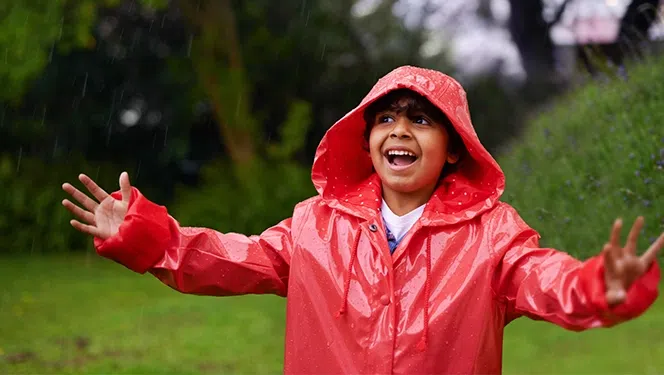
Monsoon showers are a welcome relief from the hot Indian summer months. Children love splashing in puddles, playing in the rain with paper boats, and enjoying the cool weather.
Why are children more vulnerable to monsoon illnesses
However, while the monsoon brings fun, it also increases the risk of certain infections in children. Water- and food-borne illnesses such as gastroenteritis, typhoid, hepatitis A, and diarrhea are more common during this season. Stagnant rainwater becomes a breeding ground for mosquito-borne diseases such as dengue and malaria.
Dr Yogesh Gupta, Pediatrician and Neonatologist, advises on how you can protect your child from common monsoon illnesses.
1. Encourage good hand hygiene
One of the simplest and most effective ways to reduce the risk of illness is to wash hands thoroughly.
Teach your child to wash their hands thoroughly with soap and water:
- Before eating
- After using the toilet
- After playing outdoors
- After coughing, sneezing, or blowing their nose
Parents must also wash their hands before preparing or serving food.
2. Prevent mosquito breeding around your home
To prevent dengue and malaria, do not allow stagnant water to collect in flower pots, coolers, buckets, discarded containers, and other areas around the house:
- Regularly empty and clean containers that collect water.
- Keep water storage containers covered.
- Use mosquito nets where appropriate.
- Install screens on doors and windows.
- Use child-safe mosquito repellents as recommended by your pediatrician.
A few minutes spent checking for stagnant water makes a significant difference in preventing mosquito-borne illnesses.
3. Ensure your child stays hydrated
Children may not always feel thirsty, especially in cooler weather, so ensure regular fluid intake. Give them:
- Safe drinking water
- Homemade soups
- Coconut water (if suitable for your child)
- Freshly prepared beverages
Ensure that drinking water is obtained from a safe source and is properly filtered or boiled when necessary.
4. Serve freshly prepared food and safe drinking water
Children enjoy eating out, but food safety is crucial during the monsoon season.
To reduce the risk of food-borne illnesses:
- Serve freshly prepared meals whenever possible.
- Avoid food left uncovered for long periods.
- Wash fruits and vegetables thoroughly.
- Ensure drinking water is safe and properly treated.
- When eating out, choose hygienic places and food that is served hot.
These precautions can help lower the risk of illnesses such as gastroenteritis, typhoid, and hepatitis A.
5. Choose appropriate clothing and footwear
Children love playing in the rain, but damp clothing and prolonged exposure to dirty water can increase the risk of certain infections.
Dress your child in:
- Light, breathable clothing
- Quick-drying fabrics when possible
- Waterproof footwear when outdoors
Raincoats, umbrellas, and appropriate footwear can help keep children comfortable while they enjoy the season.
6. Support your child's health with a balanced diet
A nutritious diet helps support your child's immune system and overall well-being.
Include a variety of:
- Fruits and vegetables
- Whole grains
- Protein-rich foods
- Dairy or other calcium-rich foods
Food hygiene is equally important during the monsoon. Ensure that meals are prepared and stored safely.
When should you keep your child home from school?
Dr. Yogesh Gupta advises that unwell children should be given time to recover at home.
If your child has a fever or is feeling unwell, it may be advisable to keep them home and consult your doctor. This helps your child recover well and reduces the spread of infection to others.
Keep vaccinations up to date
Routine vaccinations help protect children from several serious illnesses. Ensure that your child's immunizations are up to date.
Enjoy the monsoon safely
With a few sensible precautions, your child can enjoy the magic of the rainy season.
Let them make paper boats and watch them sail in puddles and streams. Let them feel the cool raindrops on their hands. Let them enjoy the beauty and wonder of the monsoon while staying safe and healthy.
The monsoon season creates some of childhood's most treasured memories. With a little care and preparation, you can ensure those memories remain happy ones.
Parent checklist: Monsoon health essentials
- Encourage regular handwashing with soap and water.
- Prevent stagnant water from collecting around your home.
- Use mosquito protection measures when needed.
- Ensure your child drinks safe, clean water.
- Offer freshly prepared food whenever possible.
- Wash fruits and vegetables thoroughly before eating.
- Choose weather-appropriate clothing and footwear.
- Include a variety of nutritious foods in your child's diet.
- Keep vaccinations up to date.
- Consult your pediatrician if your child develops persistent symptoms.
Dr. Yogesh Gupta is a Pediatrician and Neonatologist at Fortis Hospitals, Bengaluru.
Trusted resources
- Indian Academy of Pediatrics
- World Health Organization
- UNICEF India
- National Centre for Disease Control
Last updated on: June 25, 2026



























Comments
Edit
Comment Flag
Cancel Update