
Teen Nutrition Guide: What Your Teen Should Eat For Healthy Growth And Energy
Team ParentCircle
ParentCircle empowers parents to raise successful children through holistic parenting.
Teenagers are in a rapid growth phase, and what they eat plays a huge role in their health, energy, and focus. This guide shares essential nutrients, healthy food choices, and practical tips to help parents ensure their teens eat right and thrive

Teens and junk food go hand in hand. But their bodies are still growing, so they must eat healthy food rich in nutrients. In this ParentCircle exclusive, Anuja Agarwala, registered dietician, Department of Paediatrics, AIIMS, tells you what your teenager should eat and how you can help them ‘junk the junk’.
Why nutrition matters most during the teenage years
Teenagers go through a period of rapid physical growth, hormonal changes, reproductive maturation, and brain re-wiring that leads to intellectual and emotional changes. Therefore, eating a nutritionally balanced meal is important during the teen years.
Adequate protein and iron are required to build muscle mass. Calcium and Vitamin D are important nutrients for building bones, while sufficient carbohydrates are required to provide energy. During this period, there is a rapid deposition of fat in the body. So, to prevent obesity, which is a leading cause of non-communicable diseases, it is important to eat healthy. Participation in active sports will also help your teen build muscles and prevent fat deposition.
Teenagers have mood swings, and they want to assert their independence through their food choices and other habits. Therefore, there is a need to guide them to eat right and be physically active. This, in turn, will help channel their energy and keep them mentally and physically toned.
Common nutrition mistakes teens make and how parents can help
Food habits, both good and bad, have short-term and long-term consequences on your teen’s growth, overall health and immunity, and performance in school. Growth here not only refers to physical aspects but also considers social, emotional, and cognitive aspects.
Poor eating habits can lead to:
Risk of obesity: Teens need a lot of calories throughout early adolescence, but if they get these calories by consuming junk food, excess weight gain can become a problem. Weight gained during this period does not go away automatically, even after growth spurts have stopped. Evidence suggests that an obese adolescent has an 80 percent chance of becoming an obese adult, thereby raising long-term risks of heart disease, diabetes, and sleep problems. Obese teens also tend to have lower self-esteem and greater emotional difficulties.
Poor academic performance: According to research, children who indulge in unhealthy food practices have poor concentration, memory, and academic performance. Children who do not eat enough or skip meals will show symptomatic nutritional deficiencies over the course of time, which will equally affect their school performance.
Micronutrient deficiency: An unhealthy diet, consisting mainly of processed foods, refined grains, and foods that are high in fat, sugar, cholesterol, and sodium, will not meet the daily mandated fruit and vegetable requirements. This will lead to a deficiency in required micronutrients such as iron, vitamins A and C, magnesium, folate, and potassium, all necessary for building immunity and supporting the physical and mental growth, and reproductive maturation that happens during teenage years.
Brittle bones and stunted growth: Calcium, a major constituent of bones and teeth, along with Vitamin D, are important nutrients for teens as maximum bone growth takes place during this period. Teens who don’t meet calcium requirements have a higher risk of brittle bones, bone breakage, stunted bone growth, and osteoporosis later in life.
Health disorders in childhood: Unhealthy food habits, including overnutrition, undernutrition, and indulgence in junk foods, cause an imbalance of essential nutrients in the body. This nutritional deficiency can ultimately lead to a variety of health disorders later in life. Hence, practicing healthy food habits combined with involvement in physical activity during adolescence builds the foundation for a healthy future.

Calcium for lactose-intolerant teens
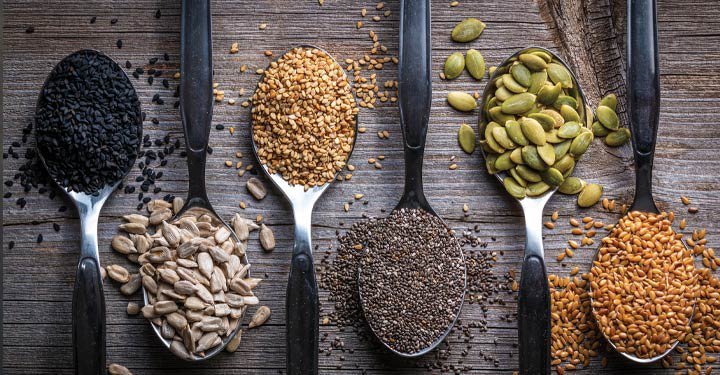
In the absence of milk and milk products, soya milk, fortified with calcium, can be given. Include other calcium-rich sources of food such as eggs, nuts and seeds, broccoli, whole grains, and pulses in your teen’s diet. Some breakfast cereals are also fortified with calcium.
Easy tips to encourage healthy eating habits in teenagers
Healthy food habits start at home:
- Offer a choice of nutritionally-rich, freshly-prepared, balanced meals at home.
- Stock up on a variety of fruits, vegetables, and other healthy snacks in the house.
- Avoid buying and storing processed, fatty, and sugary foods.
- Be a role model by making healthy choices even when eating out.
The power of informed choice: Teens revel in their independence. They are easily influenced by peers and food advertisements. If you are too strict and enforce your rules, it could lead to a revolt. Instead:
- Have friendly conversations and open discussions with your teen and guide them to make informed decisions regarding their food intake.
- Teach them to read nutritional labels on packaged food.
- Discuss the risks associated with the regular consumption of junk food, fast food, and soda.
- Help them understand that consuming unhealthy foods can lead to obesity now and later in life, an increased risk of hypertension, diabetes, and cancers related to excess fat and sugar intake.
It’s all about moderation:
- Offer quick, healthy breakfast choices and set a ‘no skipping breakfast’ rule.
- Discourage binge eating.
- Limit eating out and snacking on foods high in salt, sugar, fat, and refined carbohydrates.
- Encourage drinking water instead of soft drinks and sweetened juices.
The Dot health and safety program for pre-primary children places strong emphasis on good nutrition and making wise food choices. We educate children on the importance of a balanced diet and provide guidance on selecting healthy foods, thus laying the groundwork for lifelong nutritious eating habits.



























Comments
Edit
Comment Flag
Cancel Update