In the context of World Liver Day, 19 April, we take a look at how junk food puts your child at risk of fatty liver disease. We also suggest some natural ways to keep your liver healthy.
Every chemical that makes it into your bloodstream - be it through your lungs, stomach, or skin - meets up with your liver at some point. Since your liver is your body's best defense when it comes to filtering out all those toxins, you need to treat it well - Suzanne Somers
The human body's largest internal organ, the liver, resembles an irregularly shaped, dome-like structure. It normally weighs 1.44 to 1.66 kilos. We take a look at different aspects of this important organ and focus on the rise in non-alcoholic fatty liver disease in children caused by junk foods.
The liver produces bile, a substance that helps digest fats and aids digestion. The salt secreted by the bile is responsible for breaking up fat into small pieces so that is easily absorbed in the small intestine. It is important to remember that everything that you eat or drink, including medicines, must pass through the liver first. Therefore, without a healthy and functioning liver, a person cannot survive.
The liver performs many essential functions. It -
Fights infection and illness
Regulates and stores glucose
Stores vitamins and iron
Removes toxic substances from the body
Controls cholesterol levels
Helps in the clotting (thickening) of blood
Converts ammonia to urea, which is vital for metabolism
Destroys old red blood cells
The signs and symptoms of liver disease vary from person to person. Some common symptoms include loss of appetite, rapid weight loss, bleeding, fatigue and jaundice. The advanced stage of liver disease includes hepatitis infection (Hepatitis A, B, and C), fatty liver disease and liver cirrhosis.
The first step in caring for the liver is to maintain a healthy lifestyle. Some ways to care for your liver include:
Keep your liver healthy with these natural ingredients that are inexpensive and easy to find.
Grapefruit, garlic, carrot, apple, walnuts, and leafy green vegetables
Olive oil
Lemon, lime juice and green tea
Millet, quinoa, and buckwheat
Turmeric, beetroot and avocado
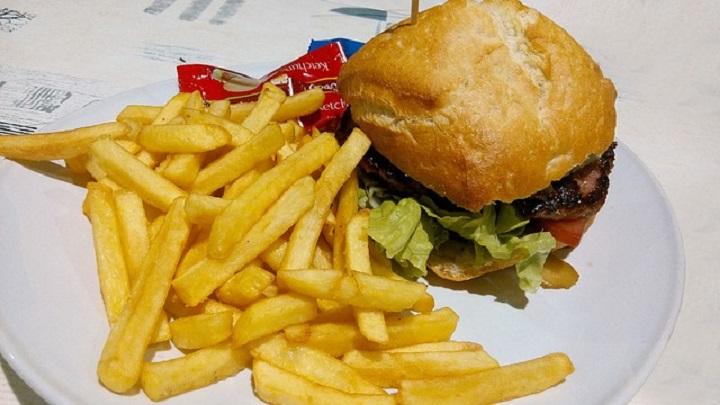
A startling fact that has emerged in recent times is the direct connection of consumption of obesity-causing junk food to a liver condition in children called Fatty Liver Disease. With children forgoing healthy, home-cooked food in favour of fast food, obesity and cases of fatty liver disease, have shot up significantly.
Fatty liver disease is characterised by an increase in the accumulation of fat in the liver cells. This can be attributed to the consumption of excess calories in the diet. Children who consume junk food are at risk of developing this disease because such food is high in calories. The liver is unable to metabolise this high-calorie food and it leads to fat accumulation in the liver.
There are two main types of fatty liver disease - Alcoholic Liver Disease (ALD) and Non-Alcoholic Fatty Liver Disease (NAFLD). While consumption of alcohol leads to acquiring the former, it is said that consumption of high-calorie foods leads to acquiring the latter. And, that is what concerns our children.
Diagnosis
The diagnosis of fatty liver disease can be confirmed with the help of a liver biopsy. This procedure involves inserting a needle between two of the right lower ribs to remove a sample of liver tissue.
Although, there is currently no medicine effective enough, you can start by making changes to your lifestyle. Treatment of liver disease includes a balanced diet, lots of physical activity and weight loss so that the amount of fat in the liver can be reduced. However, weight loss must be a gradual process.
There are many factors that lead to obesity in children, junk food being the number one factor. If parents start following a healthier lifestyle at home, children will follow suit. Over time, this will influence children positively in the selection of foods leading to lower cases of obesity and liver disease in children.
Also Read: Liver infections in children.
About the author:
Written by Ashwin Dewan on 17 April 2017; updated on 25 September 2019.
Join our Circles to share, discuss and learn from fellow parents and experts!
Looking for expert tips and interesting articles on parenting? Subscribe now to our magazine. Connect with us on Facebook | Twitter | Instagram | YouTube
Comments
Edit
Comment Flag
Cancel Update