
AIl you need to know about iron in spinach: So is spinach really a good source of iron?
Priya Kathpal
For years now, we have been eating spinach, both in its raw and cooked form, to increase our iron intake. Spinach is eaten to combat iron deficiency. But how much iron does spinach really contain?
- 16.7K
- 1
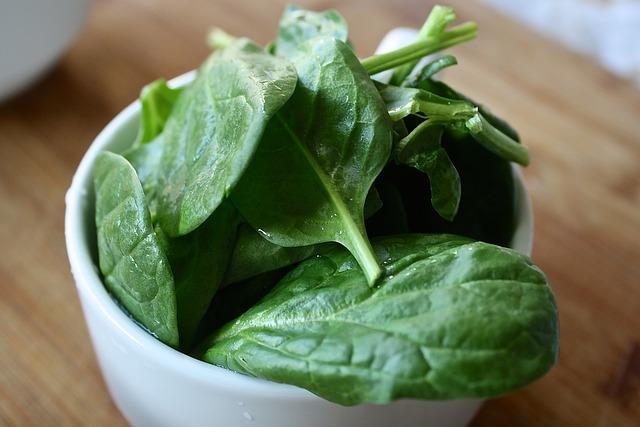
Ameesha, a mother of four-year-old Rajeev, made sure her son consumed spinach on a regular basis. Be it shredded spinach in rice or boiled spinach stuffed into bread, she would try innovative ways of incorporating spinach into her son's diet. She was confident her son's iron intake was taken care of. Imagine her shock when, one day, her family doctor diagnosed her son as suffering from iron deficiency.
So, what could be the case? Does this mean that spinach is not a good 'source' of iron and not 'really' high in iron as most people believe?
How many times have we all heard from our parents or elders 'finish your greens or you will end up having low hemoglobin or you won't be strong enough'. We, as parents, tend to do the same to our children too. One of the common greens found in any Indian household is spinach, which is consumed widely.
The theory behind spinach being rich in iron:
There are a couple of theories why spinach got famous as being iron-rich. One being the researcher made a mistake in putting the decimal point in the right place. Thus, the iron content figure printed was 10 times more than the actual. The other theory is when the data collected was from a contaminated sample which leads to a high figure.
Spinach is not a high but a good source of iron:
Even though it's one of the healthiest food around, spinach is no better than other greens when it comes to iron content. A cup contains just about 0.81 mg of iron which cannot be categorized as a high source. According to an article published in a health and nutrition website, the iron content of spinach is high (between 2.1 and 2.7mg/100g), which falls short of the 4.2mg/100g that is required to declare a food as 'high' in iron.
Also, the oxalates present in spinach hinder the absorption of iron present in it, which just means that whatever iron spinach does have will not reach the body in the form that helps. So, spinach can be considered a source of iron but not a source that is 'really' high in iron.
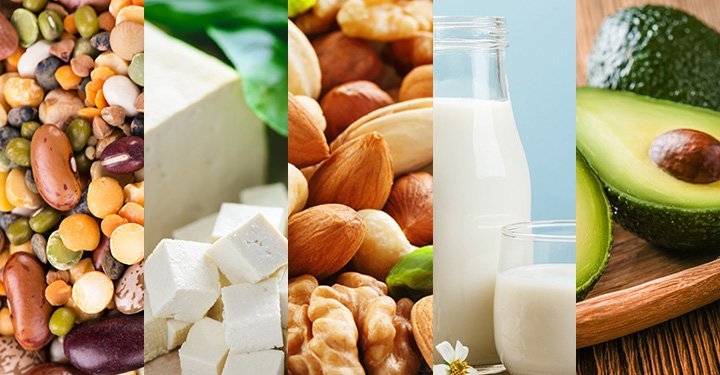
Including dried beans, tofu, apricots, chickpeas, mixed seeds like pumpkin, sesame and wheat germ instead of spinach would up the iron levels in the diet.
Benefits of consuming spinach:
Even though spinach may not be 'really' high in iron as we all thought it to be, it is:
- An extremely low-calorie food, which is loaded with many important nutrients like Vitamin K, folate, Vitamin A, potassium, fibre, etc.
- It is an easy-to-incorporate ingredient, you can blend it into different types of recipes.
- Regular spinach consumption is associated with reducing symptoms of a number of medical conditions including high blood pressure, diabetes and macular degeneration.
- It helps improve eyesight, bone structure and skin health.
Combine spinach with other sources to increase iron content:
Spinach may not be a rich source of iron but when eaten in combination with other foods, it can be a good source of iron. In fact, knowing what foods to eat and not eat with spinach can help maximize iron absorption. One way to do this is to eat spinach in combination with foods that are rich in Vitamin C. Combining non-heme iron-rich foods with heme iron-rich foods like meat can help in better absorption.
Spinach should be a part of healthy meals but it's not something that you would want to add every day to your diet especially if you want to increase iron content. Adding a variety of greens would make more sense to get overall multi-nutrient gain. It would also mean you will get varying amounts of iron from these greens.




























Comments
Standard Cold Pressed Oil Jun 28, 2019
Edit
Comment Flag
Cancel Update