
Balanced diet for children: 5 Nutrients for a child's growth and brain development
Priya Kathpal
Is your child getting enough nutrition to ensure a healthy life later on? As they get older, they need certain nutrients to meet the extra demands of growth. Check out these 5 recommended nutrients
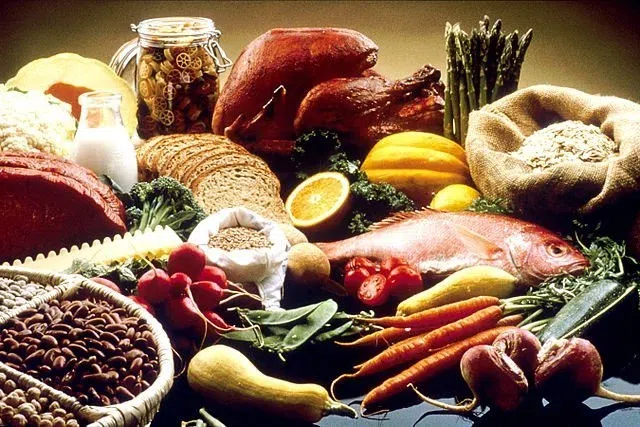
We all know a balanced diet is important for everyone, especially children. Getting the right nutrients for their growth and brain development is of utmost importance. Whether your child is a fussy eater, eats only snacks, or is a try-anything type, the right amount and mix of nutrients help them grow healthy brains and bodies.
Between the ages of 4 and 13, kids go through major physical and mental growth. Healthy eating fuels those changes and makes it a smooth ride.
But what exactly is a balanced diet for a child? What nutrients are most important, and what are the sources? How much should they eat, and why? A balanced diet will vary for every age group.
Take a look at the 5 essential nutrients for your little one
Vitamin A: Vitamin A plays an important role in vision and bone growth and helps protect the body from infections and builds immunity. It assists the eyes in adjusting to dim and bright lights. Vitamin A also promotes the health and growth of cells and tissues in the body, particularly those in the hair, nails, and skin.
Foods that contain high levels of Vitamin A include:
- Carrots
- Sweet potatoes
- Squash
- Apricots
- Spinach
- Broccoli
- Cabbage
- Fish oils
- Egg yolks
Iron: It's an important component of haemoglobin, the part of red blood cells that helps move oxygen from the lungs to the rest of the body and helps muscles store and use oxygen. If your children's diet lacks iron, they might develop a condition called iron deficiency.
Foods that contain high levels of iron include:
- Red meats
- Liver
- Poultry
- Shellfish
- Whole grains
- Beans
- Nuts
- Iron-fortified cereals
Fats: Fats make up 60 per cent of the brain and nerves that run every system in the body. Fats are a great source of energy for kids and are easily stored in the body. They are also important in helping the body properly use some of the other nutrients it needs. Healthy fats are a vital part of a child's diet, and they should not be excessively limited or banned. For young kids, especially, fat and cholesterol play important roles in brain development. Generally, kids should eat a varied diet with about one-third of calories coming from fat.
Foods that contain high levels of fats include:
- Whole-milk dairy products
- Cooking oils
- Meat
- Fish
- Nuts
Protein: Protein helps a child's body build cells, break down food into energy, fight infection, and carry oxygen. Protein is important for maintaining and repairing the tissues in our bodies. At least ten per cent of a child's energy comes from protein. Many hormones and enzymes in the human body are nothing but proteins. Proteins promote a healthy metabolism. Eating plenty of protein-rich foods helps to keep the metabolism running.
Foods that contain high levels of protein include:
- Meat
- Poultry
- Fish
- Eggs
- Nuts and seeds
- Beans
- Dairy products

Calcium: It is one of the most abundant minerals in the human body and accounts for approximately 1.5 per cent of the total body weight. Bones and teeth contain 99 per cent of the calcium in the body, while the remaining 1per cent is distributed in other areas. By the time your child reaches age 17, almost 90 per cent of their adult bone mass will already have been established.
Calcium is essential in helping to build a child's healthy bones and teeth. It's also important for blood clotting and for nerve, muscle, and heart function. Growing years are the only time to build strong bones, also referred to as bone-forming years. Children who get enough calcium start their adult lives with the strongest bones possible. That protects them against bone loss later in life.
Foods that contain high levels of calcium include:
- Milk
- Cheeses
- Yoghurt
- Tofu
- Nuts and seeds
Using these foods daily in different forms and combinations will make sure they get the important nutrients in the right dose and help them grow well physically and mentally.
The author is a nutritionist and the Founder of Nutrify.
Last updated on: Aug 7, 2025

























Comments
Edit
Comment Flag
Cancel Update