
Does vaccination harm your child?
Akshaya Ganesh
author parentcircle author parentcircle author parentcircle author parentcircle author parentcircle author parentcircle author parentcircle author parentcircle author parentcircle
To vaccinate or not is a dilemma for many parents. However, there are certain myths associated with vaccination that need to be busted. This article does it for you.
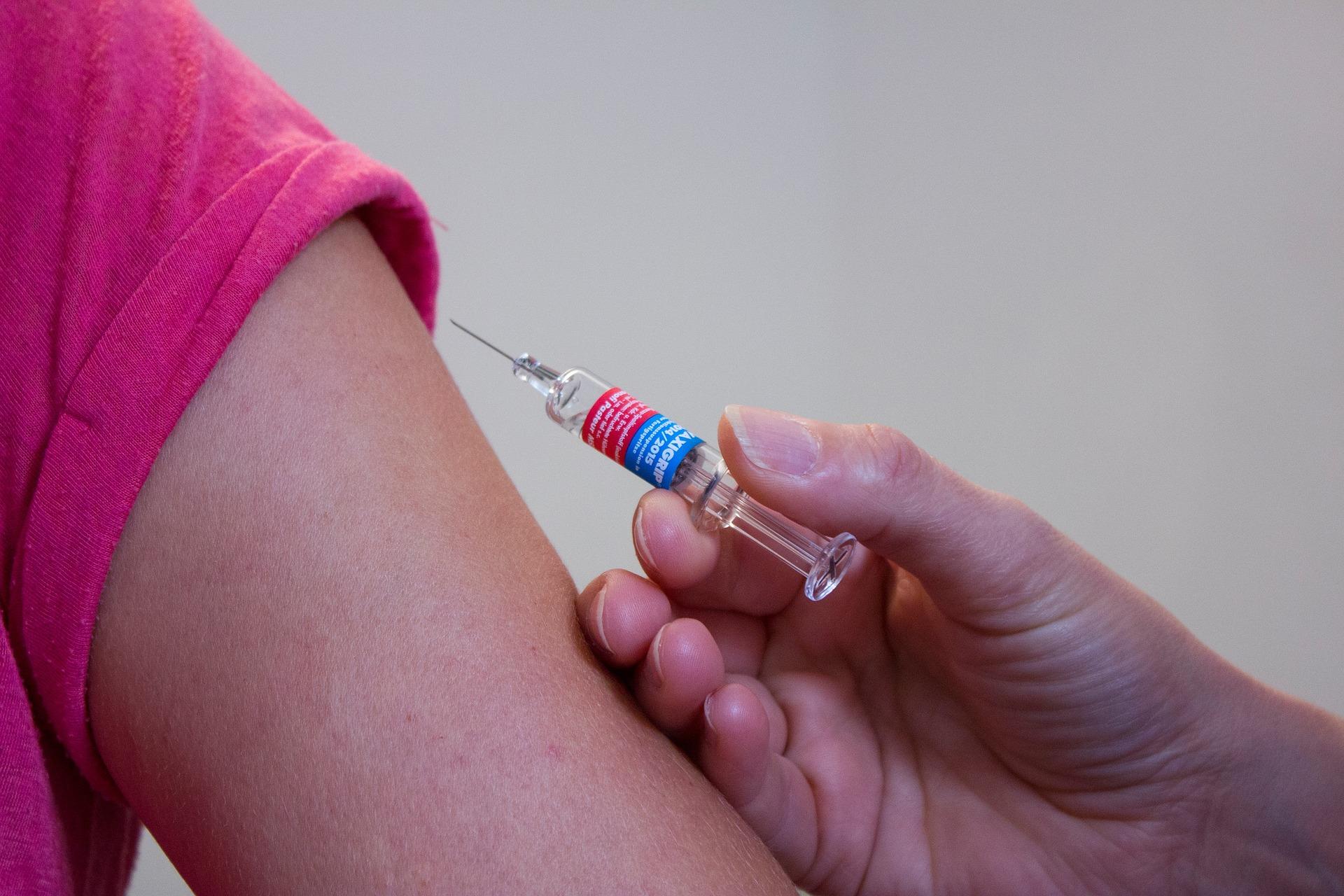
According to the World Health Organization (WHO), the lives of 2-3 million people are saved every year because of vaccinations. Diseases like smallpox have been globally eradicated and most nations today are polio free. Yet, several people strongly believe that vaccines are more harmful to children and hence should not be given. ParentCircle talks to a leading paediatrician, Dr. K.S. Chinmaya, to bust some of the myths surrounding vaccinations.
Myth: There is no need to vaccinate your child against more than one or two diseases.
Fact: The National Immunization Schedule and Indian Academy of Paediatrics recommend a set of vaccines for each age-group. It is extremely important that every child is vaccinated as recommended, at the appropriate time.
Some vaccines like Japanese encephalitis, cholera, meningococcal vaccines, and influenza are generally given only to high-risk children and adults, and during outbreaks of the disease. It is wrong to think that vaccination is not needed in many cases.
Myth: It is not necessary to vaccinate your child against a disease that has been eradicated in your country.
Fact: If a disease has been eradicated from the face of this earth, then there is no need to vaccinate children against it. Smallpox was eradicated several years ago. We no longer need to vaccinate children against smallpox. However, if a disease has been eradicated only in your country, it is always safer to get your child vaccinated. Since people travel to and fro from other countries where the disease may still be prevalent, there is a chance your child may get exposed to the disease.
Myth: Children should not be given more than one vaccine shot at a time. Too many vaccine shots can weaken the immune system.
Fact: Vaccines are given to strengthen the immune system. You can administer multiple vaccines in a single sitting. Studies have shown that there is no decrease in immune response to the vaccines, and there is no increase in adverse effects.
Myth: Vaccines are only for children.
Fact: Vaccines are for everyone, not just for children. Yes, most vaccines are administered in young children. However, there are certain vaccines like those for meningitis, cervical cancer, and genital warts among others, that can be given when your child is much older. The flu vaccine can be given every year to both children and adults.
Myth: Vaccines cause autism.
Fact: This is a tricky one. A lot of parents believe that vaccines can cause autism in children. Actress Jenny McCarthy, who is now an anti-vaccine activist, claimed that vaccination was the reason behind her son's autism. However, this claim of hers hasn't been medically proven. WHO states that no such link has been established, although a lot of people still believe that the MMR (Measles, Mumps and Rubella) vaccine can cause autism.
Myth: Vaccines can cause several long-lasting, adverse reactions, and can sometimes be fatal.
Fact: Cases of serious health issues or fatalities related to vaccines are extremely rare and occur mostly due to negligence. Some of the most common side-effects of vaccines are redness, pain, and swelling at the injection site.However, systemic side-effects like fever, loss of appetite for 2-3 days, and very rarely, life-threatening allergic reactions do occur. These reactions can be managed.
Vaccines and food allergy
Although severe allergic reaction to vaccines is extremely rare, children prone to food allergies are at a reasonable risk. This is because several routine vaccines contain traces of egg protein, baker's yeast and gelatin. Flu, MMR, yellow fever and typhoid vaccines contain egg protein. Vaccines containing gelatin include MMR, varicella (chicken-pox), influenza and DTP, yellow fever, rabies, and Japanese encephalitis. Baker's yeast can be found in Hepatitis-B vaccine.
So, if your child is prone to food allergies, check with your paediatrician before you administer vaccines.
WHO Fact Sheet
- Immunization currently averts an estimated 2 to 3 million deaths every year.
- A 78% drop was reported in global measles-related deaths in 2013.
- 84% of infants worldwide were vaccinated with 3 doses of DTP vaccine in 2013.
- In March 2014, India and 10 other Asian countries were declared free of polio.
- An estimated 22.6 million infants worldwide are still missing out on basic vaccines.
Hope you liked this article. To get expert tips and read interesting articles on a wide variety of parenting topics, Subscribe to ParentCircle.





























Comments
Edit
Comment Flag
Cancel Update