
Thinking about giving avocado to your baby? Read about the health benefits and side effects first
Leena Ghosh
Haven't you introduced avocados to your baby's diet yet? Here are a few reasons why avocado for babies is considered a great first food
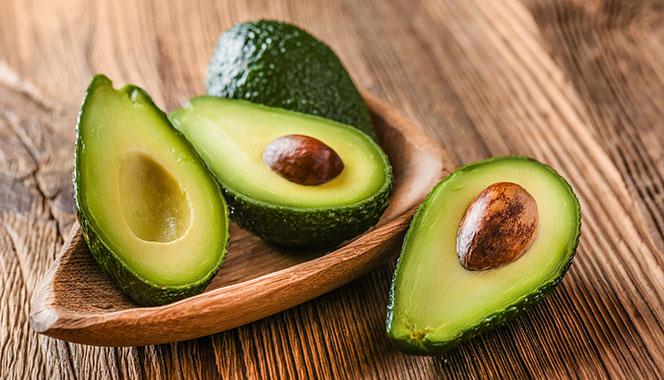
Are you looking for food for your baby that is rich in healthy fats, proteins, essential vitamins and minerals? Then, your search ends with the superfood called avocado. Originating in South Mexico thousands of years ago, this super fruit has since travelled to every corner of the world and is now easily available in every supermarket in the country.
Because of its nutritional properties, many mothers nowadays introduce avocado to their babies as one of the first foods. The following are the reasons why avocado is considered a healthy choice for babies.
Nutritional value of avocadoIn 100g of avocado you can find:
Data based on USDA (United States Department of Agriculture) - National Nutrient Database for Standard Reference |
How to pick the right avocado for babies
An interesting fact about avocado is that it doesn't ripen on the tree. The flesh begins to soften only after it has been plucked from the tree. Here are a few tips to choose a ripe avocado:
- The right color: A ripe avocado is dark brown in color with hints of green in it. If you want to buy a slightly raw avocado, go for one that is more green than brown.
- Right texture: A ripe avocado will yield to gentle pressure. So, to test the ripeness of the fruit - hold it in your hand and apply slight pressure. It should be firm to hold but the pressure should cause a slight dent on the surface. If the fruit is too soft, it's overripe. And, if it's very hard, it is raw.
- Color of stem: Peel the stem or cap of the fruit. If it's green in color, it's ripe for the taking. If it's brown, it may be too ripe.
Health benefits of avocados for babies
There are several benefits of avocado baby food. Here are some of them:
Good for the brain
Avocado is considered to be high-fat plant food. This is because avocados have an abundance of monounsaturated oleic acid, a healthy fatty acid that is considered to be good for the mental and physical growth of a child.
Good for the stomach
Avocados contain soluble fiber, which is good for the stomach and aids in digestion. 100g of avocado has 7g of fiber.
Good for the skin and hair
Avocados contain beta-carotene, which helps produce vitamin A in the body. Vitamin A boosts skin and hair health.
Good for immunity
Avocados are not only rich in antioxidants but also aid in the absorption of antioxidants from other vegetables and fruits. Avocados when mixed in a salad help absorb nutrients from other plant foods. Antioxidants boost immunity and help prevent diseases.
Good for eye health
Since avocados have high antioxidant content, they help improve eye health and lower the risk of eye diseases like cataracts and macular degeneration later in life.
When can you start giving baby avocados?
Pureed avocado is a great food for babies when they start eating solids. This is because of the high fiber and low sugar content in avocados. According to a study by Comerford et al, The Role of Avocados in Complementary and Transitional Feeding', published in the journal Nutrients, avocados are nutritionally unique among fruits in that they are lower in sugar and higher in fiber and monounsaturated fatty acids than most other fruits, and they also have the proper consistency and texture for first foods with a neutral flavor spectrum.
For a 7 to 8-month-old baby, it's advisable to give avocado in the form of a pure. As the child grows up, the avocado pulp can be given in small cubes or be made into a salad.
Do you need to cook avocado for babies?
The great thing about avocado is that it can be served raw as well as cooked. The best way to introduce avocados to babies is to make a pure. You can add milk or water to get the desired consistency.
Side effects of avocado
While avocado is a great food for babies, it can cause certain side effects. Here are some of the side effects you should watch out for:
Allergic reaction
If your child is sensitive to latex, it is best to avoid giving avocados to him. Avocados have been known to cause allergic reactions like itching, sneezing, facial swelling, and rashes. In some cases, a child could also have difficulty in breathing. Consult a doctor immediately if you see your child showing any of the above symptoms.
Stomach irritation
In some cases, eating too much avocado may lead to stomach upsets. This could cause vomiting or diarrhea.
It's important to introduce new and healthy foods to your little one. And, healthy and tasty foods like avocados are always a great choice. However, children develop allergies to certain food items. So, it's always a good idea to observe your child for 24 hours, once you have introduced any new food to her.

























Comments
Edit
Comment Flag
Cancel Update