
Boost Your Toddler’s Immunity Naturally With These Healthy, Immune-Boosting Foods
Dr Mansi Patil
Your toddler’s immune system is still developing. Adding these nutrient-rich, immunity-boosting foods to your child’s daily meals helps protect against infections and keeps them active and healthy

Infections are all around us, even where we least expect them. There is no way to exterminate all of them to protect our kids. Protection has to come from within. Immunity is inherent in our bodies, but like everything else, we have to build it up to fight infections. Children are more prone to infections and show a stronger reaction as their bodies are learning about new infections. That is how they build a memory for these infections.
Why building your toddler’s immunity early is important
Nutrition in the formative years is an important factor in determining a child's immunity. Research in the past 25 years has established that a good nutritional status and good hygiene reduce the incidence of infections in children and strengthen their immune system. In the article, Nutrition and Immunity- An Introduction, American Society of Clinical Nutrition, RK Chandra states that nutritional deficiencies, underweight, and overweight were major determinants of immune deficiencies. You can improve the immunity of your child by including the following simple, healthy foods:
Top Immunity-Boosting Foods to Include in Your Toddler’s Diet
1. Citrus fruits

Oranges, grapefruit, lemon, and kinnow are rich in Vitamin C, which targets specific cells to reduce inflammation. They are high in flavonoids, such as quercetin, rutin, hesperidin, apigenin, and tangeretin, which are known to have immune-modulating action. Vitamin C has been proven to maintain the integrity of skin, which is the first line of defense in the body.
2. Berries

A handful of berries, like strawberry, kiwi, blueberry, and gooseberry, go a long way in immune regulation. They are rich in pigments of various colors, which slow down the spread of infection and increase the number of body cells fighting infection. They are also rich in Vitamin C, which has long been known to have immune-enhancing action. Ellagic acid, present in strawberries, raspberries, and pomegranates, is potent in detoxifying the liver. But before you give berries to your kid, make sure that they are not allergic to them.
3. Red color fruits
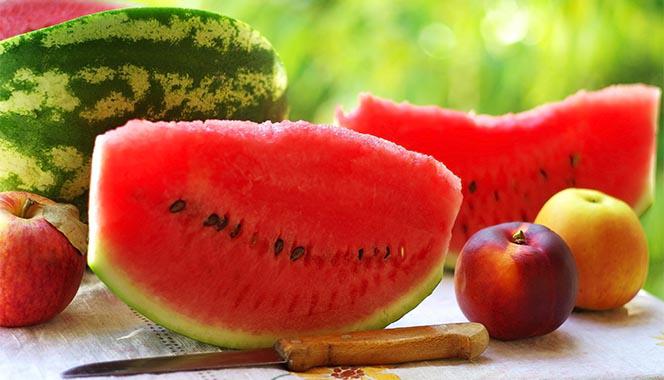
Lycopene represents the red color, which is found abundantly in tomatoes, watermelon, apples, and pink grapefruit. They are very rich in antioxidants, which help the immune system by reducing harmful oxidative stress. They help in the activation of T-lymphocytes and B-lymphocytes (the body's defense mechanism), multiplication of lymphocytes, and production of antibodies and cytokines. The saying that "An apple a day keeps the doctor away" is not without reason. Give your child an apple to munch on every day, for red apples are rich in quercetin, which boosts and fortifies the immune system.
4. Green leafy vegetables
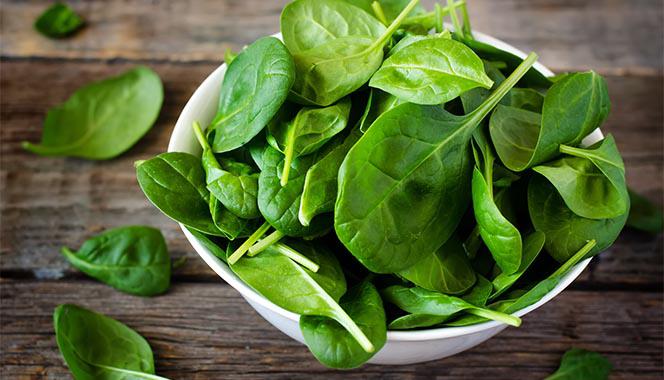
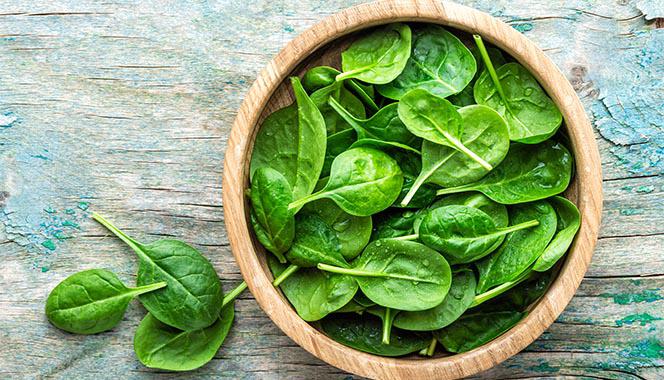
Spinach is of great importance here. It contains carotenoids, Lutein and Zeaxanthin, which reduce oxidative stress and help in improving the immune response. It is also an amazing source of vitamins (vitamin K, vitamin A, folate, vitamin C, and vitamin B6), minerals (manganese, potassium, and magnesium), and fiber. These nutrients are helpful in increasing antibody production and play a role in the healthy functioning of the spleen, thymus, and thyroid gland, which are antibody storage and production organs.
5. Sunflower seeds

Try giving your little one sunflower seeds to boost their immunity. They are loaded with nutrients and vitamin E, which is a powerful antioxidant and is vital for regulating and maintaining the proper functioning of the immune system. These seeds are also rich in phosphorus, magnesium, and vitamin B-6.
6. Fluids

Water washes out the toxins in the body and acts as a cleanser. It cleanses the body of the by-products produced and increases the uptake of oxygen by cells, thus boosting immunity.
It is important to ensure that toddlers consume 1-1.5 liters of fluids every day. This should include milk, water, and juices. Young kids get dehydrated very easily, so we must ensure that they drink fluids at regular intervals. The best way to do this is to give them a sipper cup or a bottle, which they identify as their own! Some kids may not like drinking plain water, although it's the best option. You could offer them mildly flavored water with diluted fresh juices. 100% fruit juices are not a good option as they are full of sugar and high in calories, which may lead to weight gain, diarrhea, and caries in the teeth.
7. Nuts

They are rich in good quality proteins, healthy fats, selenium, magnesium, iron, calcium, copper, phosphorus, manganese, fiber, vitamin A, and vitamin E. Hazelnuts, when consumed with milk, are very good for the repair of genetic material (DNA) and for increasing the formation of RBCs. Walnuts are a good source of omega-3 fatty acids, and when eaten after soaking them overnight, they help in reducing inflammation and swelling. Chestnuts help in repairing the small blood vessels and improve the blood supply to infected areas.
8. Select non-vegetarian foods

Chicken, eggs, and fish are all excellent sources of good-quality proteins essential for the proper functioning of the immune system, as long as they are cooked in a healthy way. Avoid serving these food items fried and try to boil, steam, or grill them.
Specific amino acids like arginine, glutamine, and cysteine are important in initiating lymphocytic activity. Additionally, methionine, glutamate, and threonine help in improving the immunity derived from the intestines. All these amino acids maintain the integrity, growth, and function of the intestines, regulate the cytokine response, increase the number of T-lymphocytes, and increase antibody (immunoglobulin) secretion as well.
9. Yogurt

Yogurt is a very good source of protein and probiotics. Almost 50% of the immune system of a child resides in the intestines. Probiotics are good bacteria that fight the bad bacteria in the intestines. Greek yogurt is easy to digest and low in lactose, and hence suitable for lactose-intolerant children.
10. Dates and figs
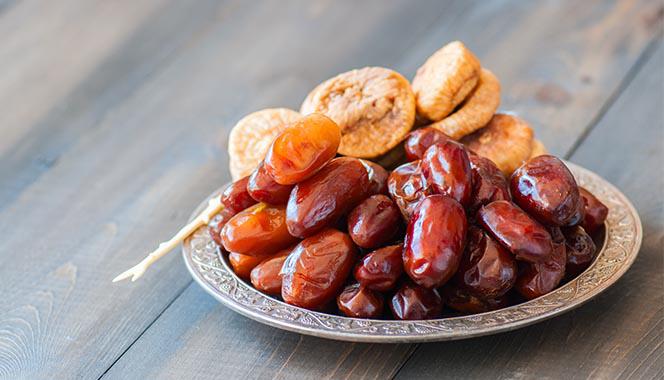
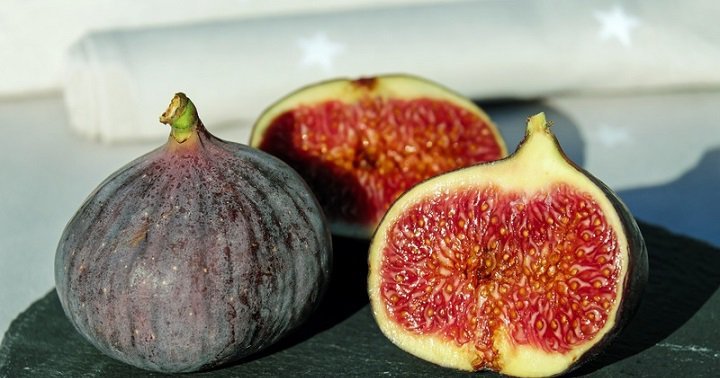
Dates are rich in iron, magnesium, calcium, phosphorus, zinc, fiber, antioxidants, folate, and vitamin A. This nutritious food improves immune function by increasing the number of specific lymphocytes responsible for inflammation and recovery from infections.
Did you know that food is not the only thing that can weaken or strengthen your child's immunity? Certain habits can play a major role in weakening the immunity of your child.
Last updated on: August 1, 2025
Have insights, questions, or tips to share? Join the discussion on nutrition here.

























Comments
Edit
Comment Flag
Cancel Update