
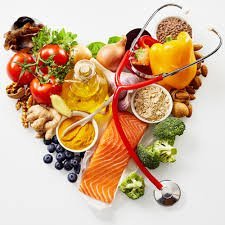
The Dot health and safety program for pre-primary children places strong emphasis on good nutrition and making wise food choices. We educate children on the importance of a balanced diet and provide guidance on selecting healthy foods, thus laying the groundwork for lifelong nutritious eating habits.
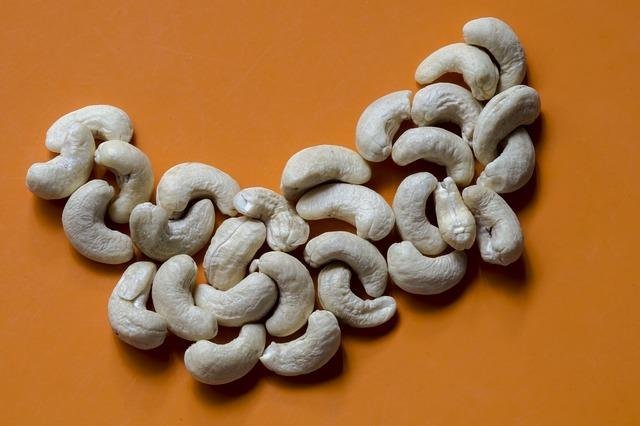
Are Dried Fruits And Nuts Good Or Bad For Children? - Parentcircle
Dried fruits and nuts like figs, raisins and apricots are loaded with nutrients. However, they are often accused of being high in sugar content. So, are they good or not to give to your children?
While some nutritionists advocate dried fruits and nuts for children, calling them a powerhouse of nutrition, there are others who present a different shade, leaving parents hassled and confused.
So, we, at ParentCircle, took the onus to debunk the myths and present the facts. Here's all you need to know about dried fruits and nuts.
Dried fruits are fruits that are dried either naturally, by drying in the sun, or using specialised dryers. They include raisins, dates, figs, apricots, prunes, sweet lime and kiwis.
Nuts or tree-nuts are fruits with a hard shell and seeds that are edible. They include almonds, cashews, pistachios, walnuts, hazelnuts, pine nuts, Brazil nuts and pecans.
Yes, they are beneficial. Here are some of their benefits:
Some children are known to develop allergies to nuts. Hence, it is recommended that nuts should be introduced in the child's diet only after he completes one year. It is further recommended that if a child has a family history of allergy to nuts, they should be introduced in the diet only after the child completes three years. As dried fruit allergies are not very common, they can be introduced in a child's diet when the child is around 10 - 11 months old.
Children between the ages of one and five may not have a very
co-ordinated chewing and swallowing action. Therefore, to prevent choking, nuts should be pounded to powder and dried fruits should be chopped very finely or made into a paste before giving them to children of this age group.
After five years of age, children may be given whole dried fruits and nuts. But, it is always better to keep an eye on children below the age of ten, to make sure they chew the nuts well and do not swallow them whole so as to prevent choking.
Did you know that dry fruits and nuts like almonds and raisins offer a host of benefits? Go through this video that discusses five dry fruits that are not only delicious but extremely healthy.
Traditionally, nuts are known to be warm in nature. Hence, it has always been recommended to soak nuts in water for some time before consuming them. It is believed that this tends to reduce the heat. But, there are no scientific studies supporting this belief. However, it is still recommended that nuts such as almonds and walnuts should always be soaked for four to five hours, peeled and then given to the child. This would reduce the anti-nutritional factors in nuts and improve the absorption of omega-3 and omega-6 fatty acids. It is also beneficial to soak dried fruits such as raisins, figs and apricots overnight as it facilitates better digestion.
The maximum amount of dried fruits and nuts that can be included in the diet varies for each age group.
When consumed excessively, dried fruits and nuts can cause diarrhoea. Therefore, they should be consumed in moderate portions.
Being rich in fibre, dried fruits and nuts have a high satiety value and give a feeling of fullness. Therefore, the ideal time to give them to children is mid-morning or mid-evening. This will also tackle their hunger pangs between meals.
It is beneficial to include 2-3 soaked almonds or walnuts in children's diet, once a day, from the age of two years. It aids memory and concentration, and improves overall health.
Once children reach puberty and enter adolescence, it is beneficial to include dried fruits and nuts in the diet, on a daily basis, as they are a store of nutrients and help in proper growth and development. Including dried fruits such as raisins, dates, figs and apricots in young girls' diet is also known to help cope with menstrual pains.
Dried fruits and nuts are concentrated sources of calories. However, only if a child consumes dried fruits and nuts beyond the recommended intake, would his total calorie intake go beyond his daily requirements. And, that excess consumption of calories may result in weight gain.
Similarly, even though nuts have fats in them, consumption in right quantities do not increase blood cholesterol. In fact, as dried fruits and nuts are rich in fibre, minerals and vitamins, their inclusion in children's daily diet can help keep blood sugar, cholesterol and blood pressure under control and prevent obesity. Only when consumption is very high as compared to the recommended intake, would there be a fluctuation in cholesterol levels leading to fattening.
Dried fruits are not known to cause allergies. However, a child can be allergic to nuts, including groundnuts, which are actually pulses. However, studies have shown that 20-40% of people who are allergic to groundnuts are also allergic to nuts. Hence, parents with children who have groundnut allergy should be careful when including other nuts in their children's diet.
MYTH: Dried fruits and nuts only contribute calories and fats to the diet.
FACT: Dried fruits and nuts are a rich source of many vitamins, minerals and essential fatty acids.
MYTH: Dried fruits and nuts help only to increase body weight.
FACT: Dried fruits and nuts are good for memory, prevent anaemia, build strong bones and boost immunity.
MYTH: Dried fruits and nuts should not be given to children who are below the age of five.
FACT: Dried fruits and nuts can be included in children's diet after they complete one year.
MYTH: If a child has groundnut allergy, it means he is allergic to all nuts.
FACT: If a child has groundnut allergy, it does not mean he is allergic to all nuts.
For more articles on parenting, and raising a healthy and happy child, subscribe to ParentCircle.More at: www.parentcircle.com
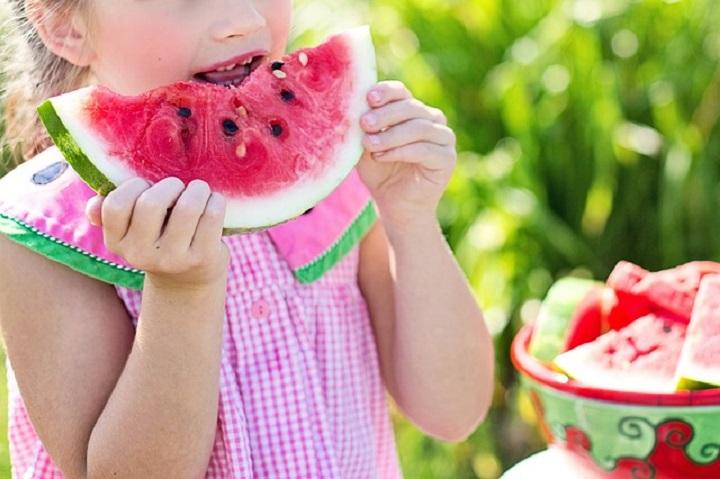
Fruits That Keep Your Child Hydrated In Summer - Parentcircle
Staying hydrated naturally is the best way to ward off dehydration in summer. Check out some of the juiciest fruits that can help your child stay safe and healthy all summer long.
As the temperature rises with each passing day in summer, it is crucial to remain hydrated by drinking adequate fluids and eat nutritious and balanced meals. Adequate hydration is essential for avoiding heat stroke and other debilitating heat-related illnesses. Besides water, mother nature has gifted us with some amazing fruits that help you keep your child hydrated and provide her with essential nutrients.
Water content: 96%. The high water content makes it the most ideal fruit to keep your child hydrated.
Other health benefits: Along with high water content, cucumber is a rich source of fibre and minerals which help in maintaining water balance and blood pressure. Cucumber also has immune boosting and skin nourishing vitamins and can prevent dehydration.
Interesting ways to incorporate cucumber: Apart from cucumber sticks served as salad, cucumber raita made by adding chopped/grated cucumber to curd (which is another cooling agent) and cold cucumber soup are fun ways to incorporate cucumber in your child's diet.
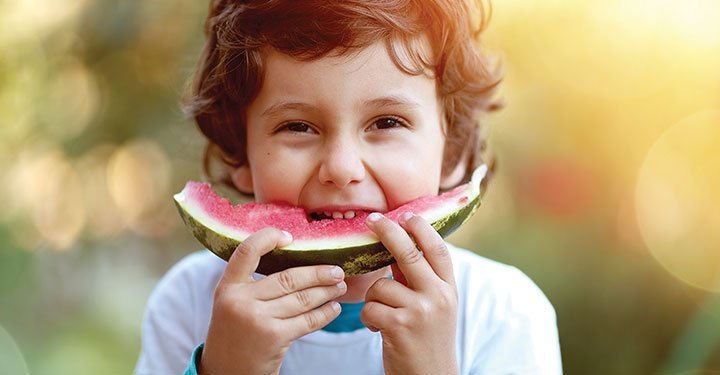
Other health benefits: It is rich in anti-oxidants, vitamins and electrolytes. Watermelon is a good source of lycopene which is known to be good for the heart. It also prevents cancer.
Interesting ways to incorporate watermelon: Frozen watermelon yoghurt prepared by combining chopped watermelon, curd and sugar is one of the most delicious ways to incorporate watermelon in your child's diet. Another fun way is to cut watermelon in the shape of an ice-popsicle, insert an ice cream stick in it and freeze it before serving it to your child as a popsicle. Children also love drinking watermelon juice.
Other health benefits: Musk melon is a rich source of beta-carotene which is essential for healthy vision. It is an anti-oxidant and a good source of fibre. Musk melon is also a rich source of potassium which helps maintain blood pressure.
Interesting ways to incorporate musk melon: Musk melon slush made by churning musk melon along with some ice cubes is a delicious and hydrating drink. Musk melon sorbet prepared by freezing churned musk melon is another great summer recipe for kids.
Other health benefits: Pineapple is a rich source of beta-carotene and vitamin C. It boosts immunity. The fibre in pineapple keeps your child's digestive system healthy. Pineapple is also known to have anti-inflammatory benefits, reduces blood clots and helps relieve common cold and sinus inflammation.
Interesting ways to incorporate pineapple: Like watermelon, pineapple popsicle, pineapple raita and pineapple juice are interesting ways to include pineapple in a child's diet.
Other health benefits: Lemon is one of the richest sources of vitamin C - an anti-oxidant that prevents free radical oxidation. Lemons aid in digestion and improve skin quality. They help strengthen immunity and fight infection.
Interesting ways to incorporate lemons: Fresh lime water is a great summer coolant for your child. Frozen lemon sorbet is another favorite drink among children.
Other health benefits: Coconut water is rich in electrolytes and minerals essential to maintain the water balance and blood pressure of the body.
Interesting ways to incorporate tender coconut: Other than tender coconut water, a super fun way to incorporate tender coconut in your child's diet is to make popsicles. Cut some fruits like water melon and musk melon into small cubes and add them to popsicle moulds. Fill up with coconut water and freeze. If you don't want to add fruits, just fill up a popsicle mould with tender coconut meat and water and freeze to make fun popsicles.
Other health benefits: Lychee is a good source of minerals and helps maintain water balance. Lychee is also a good source of vitamin C and helps boost immunity. Eating lychees can keep the symptoms of dehydration at bay.
Interesting ways to incorporate lychee: Lychee popsicles and lychee sorbet are awesome, cooling foods fit for summer. Lychee ice cream made by churning lychee and milk also makes for a delicious recipe.
Other health benefits: Plums are rich in fibre and help prevent constipation. Plums are also a good source of potassium essential for maintaining water balance and blood pressure. Plums are a rich source of anthocyanins, that reduce free radical oxidation.
Interesting ways to incorporate plums: Plum sorbet and plum slush are fun and yummy ways to include plums in a child's diet.More at: www.parentcircle.com
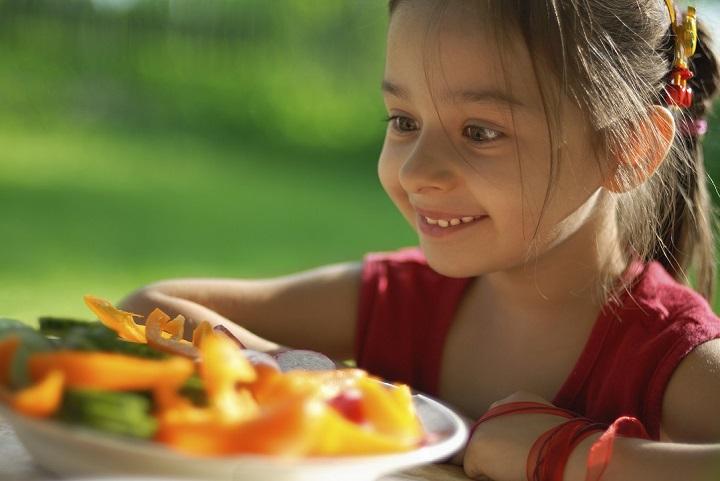
Nutrition Requirements For 0-5-Year-Old Children - Parentcircle
Does your child love gorging on junk food? Here are some tips to help parents fulfil the nutritional requirements of young children
Does your child love gorging on cheese burgers and potato fries? No wonder! Most children gobble up chocolates, pizzas and sandwiches but say 'no' to healthy and nutritious food.
Therefore, it is essential to inculcate healthy eating habits in children early on, as a balanced diet is vital to ensure proper growth and development. Explaining the nutritional value of different food items to children while eating or shopping for food is a good way of keeping them away from junk...More at: www.parentcircle.com

6 Nutrition Tips For Young Athletes - Parentcircle
Nutrition and fitness are interrelated concepts which aid and promote optimal performance in young athletes. Sports fitness includes components such as strength, power, speed, endurance and neuromuscular motor skills. Sports nutrition influences all these components and thus improves competence.
The key to achieve a healthy nutritional status in your child is to provide an optimum balanced diet. Food comprises macronutrients (carbohydrates, proteins and fats), which are energy-yielding and body-building; and micronutrients (vitamins and minerals), which are protective in nature. Incorporating the required amounts of macro and micronutrients along with fluids in your child's daily diet is necessary for growth and activity,...More at: www.parentcircle.com

How Fish Is A Great Source Of Nutrition For Your Toddler - Parentcircle
The food that we eat plays a pivotal role in our health. A balanced diet provides adequate amounts of all nutrients in the required proportions. It can be easily practised by including a combination of the four basic food groups - (1) cereals & pulses; (2) vegetables & fruits; (3) milk and milk products, meat and fish; and (4) oils, fats, nuts and oilseeds, in our daily diet. This article emphasizes on the importance and nutritional significance of fish in your toddler's diet.
Toddlerhood is identified as a stage of growth spurt. It denotes a transitional phase from dependent to independent...More at: www.parentcircle.com
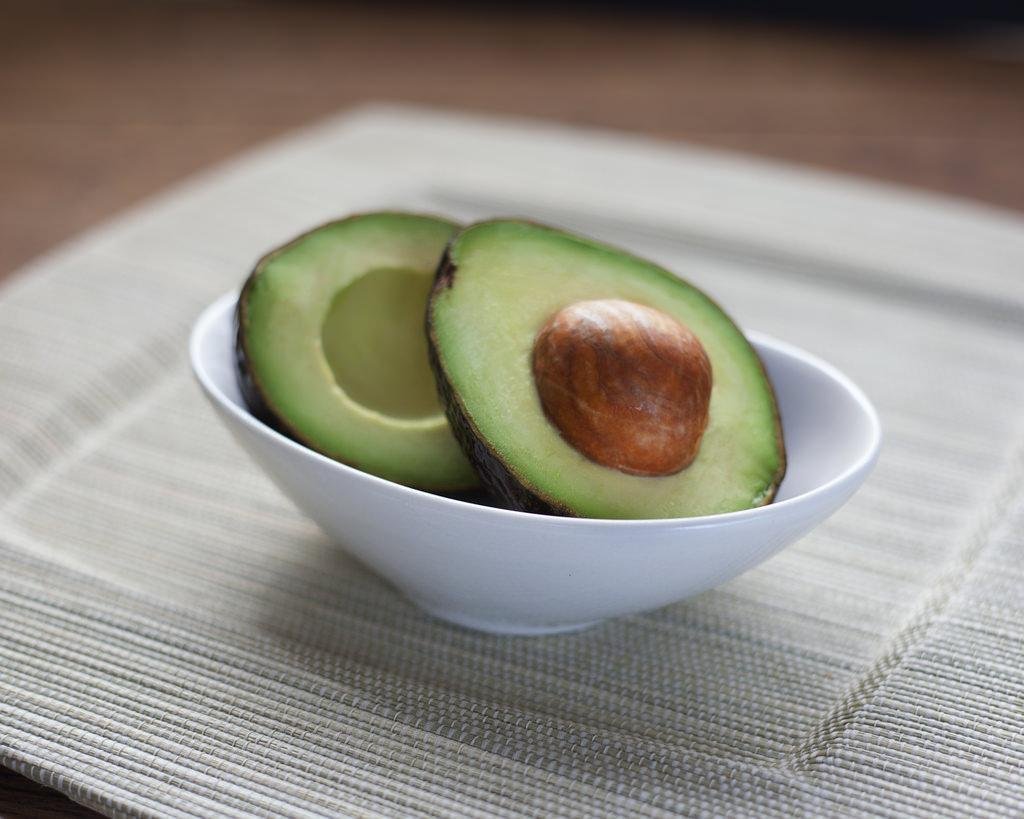
Nutritional Benefits Of Avacado For Children - Parentcircle
Avocados are often referred to as 'nature's perfect food' and with good reason too. Include them in smoothies and salads and your child will lap up the healthy treats with relish
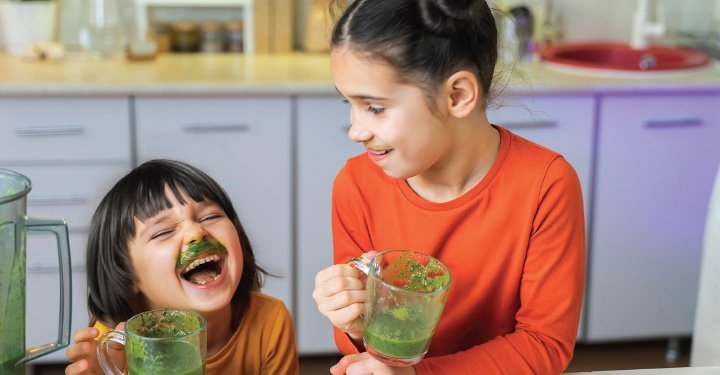
The next time your child demands a chilled glass of carbonated soft drink, try offering him a nutrient-filled glass of butter fruit or avocado smoothie. Want to know why this plain looking fruit is so sought-after these days? Read on...
The most important benefit of avocados is that they are rich in nutrients. They provide your child with vitamins A, C, K, B6, thiamine, riboflavin and niacin. While vitamin A helps...More at: www.parentcircle.com




























Comments
Standard Cold Pressed Oil Jul 4, 2019
Edit
Comment Flag
Cancel Update