
Ginger for children: Nutritional value, health benefits and DIY ginger tea recipe
Shiny Lizia M
Wondering if ginger is good for kids? Let's look at the various health benefits of ginger, its nutritive value and its side effects. Also learn how to prepare ginger tea at home
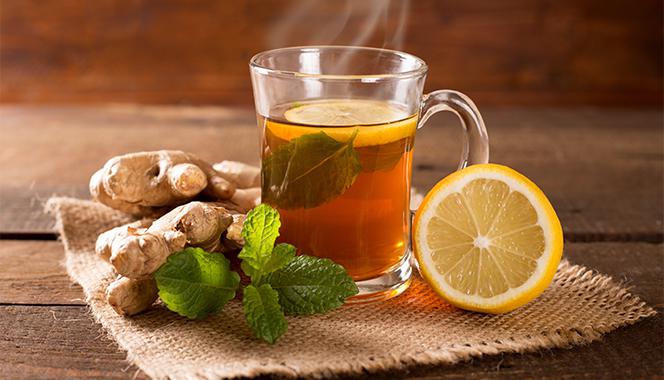
For generations, people have used home remedies as the first step of action to treat any health-related problems or symptoms in children. While home remedies may be safe for kids, a few may be too potent for them to metabolize. Hence, it is always advisable to practice a home remedy that has been tested and proven effective according to scientific studies.
Ginger (Zingiber officinale) is one of the most consumed dietary condiments in the world and is also used for treating numerous ailments. It is recognized by the US Food and Drug Administration (FDA) as a food additive that is 'generally recognized as safe'.
Nutritional value of ginger
Fresh ginger contains
|
Mineral content in ginger
|
Vitamin content in ginger
|
The nutrient composition of ginger varies with its variety (fresh or dry), agronomic conditions, processing, cooking, and storage conditions.
Scientific studies indicate that the following health benefits can be attributed to the medicinal properties of ginger and its constituents.
Health benefits of ginger
1. Gastrointestinal effects of ginger
Ginger promotes the secretion of saliva and gastric juices improving your child's appetite and digestion. The active components present in ginger stimulate digestion and absorption. They relieve constipation and flatulence by increasing muscular activity in the gastrointestinal (GI) tract. Ginger is an anti-emetic agent (that prevents nausea and vomiting) and is especially useful during travel sickness in children. Ginger can treat eating disorders in your child by having a positive impact on food intake and nutrient metabolism.
2. Effects of ginger on the liver
Ginger stimulates the liver to remove various toxins from the bloodstream and possesses anti-inflammatory and antioxidant effects that help protect the liver.
3. Antimicrobial effects of ginger
Ginger has strong antibacterial and, to some extent, antifungal properties too. In vitro studies have shown that active constituents of ginger inhibit the multiplication of harmful bacteria such as Escherichia coli, staphylococci, streptococci, and salmonella.
4. Cardiovascular effects of ginger
Ginger is a strong circulatory stimulant. It causes a stimulatory effect on the heart muscle by dilating blood and improving blood circulation. The improved circulation is believed to increase cellular metabolic activity, thus contributing to its anti-inflammatory and anti-spasmodic (relief of muscle cramps) effects.
5. Respiratory effects of ginger
Ginger is a natural expectorant that relieves your child from coughs. When the first signs of flu start to appear in your child, a hot cup of ginger-infused drink (tea or herbal infusion) can help clear nasal congestion.
According to research, ginger can be beneficial against respiratory infections such as whooping cough in kids due to its antibacterial properties.
Combining ginger with other herbs/spices
Ginger can be combined with other herbs and spices in your child's meal in the correct proportions. As most of our native culinary herbs and spices have anti-inflammatory and anti-microbial activities, when they are combined with ginger, your child may acquire a synergistic effect. The only interaction mentioned in most scientific studies is that ginger should not be combined with blood-thinning medications (anticoagulants).
Is ginger safe for toddlers?
Though ginger is a commonly used dietary component, the average daily recommended dosage for children is still argumentative. The University of Maryland Medical Center advises that ginger should not be used by children under two years of age. For children over two years of age, ginger can be used to treat nausea, digestive cramping, and headaches.
What are the side effects of consuming too much ginger?
High doses of ginger may cause mild heartburn, diarrhea, and irritation of the mouth. If your baby is sensitive to ginger, it can cause mild symptoms such as stomach upset, heartburn, gas, and flatulence. Overall, ginger is considered a safe herbal remedy with only a few adverse/side effects, which can be managed when consumed in lower doses.
How to make ginger tea at home (ginger kashayam recipe)
Including ginger in your child's daily diet will certainly be a healthy plan of action to prevent inflammatory and digestive disorders. Try this time-tested, home-brewed drink the next time your child catches a cold.
Ingredients
| Fresh ginger | 1 tbsp |
| Powdered black pepper | 1/2 tsp |
| Brown sugar or honey | 1/2 tsp |
Method
- Chop ginger into small pieces. Grind along with pepper powder and a little water.
- If you are using brown sugar, add it to a cup of water along with the paste and boil for 5 minutes.
- Turn off the heat and allow the preparation to steep for 10 minutes.
- Strain, add the honey (if you are using it), and serve.
The Dot health and safety program empowers children with the skills to stay safe and healthy and make healthy food choices.



























Comments
Edit
Comment Flag
Cancel Update