
Am I a good parent? Ask yourself these 5 critical questions to find out
Amrita Gracias
Parenting is a never-ending responsibility and there is no way you can become the perfect parent. But, asking these five critical questions can help you become a good parent.
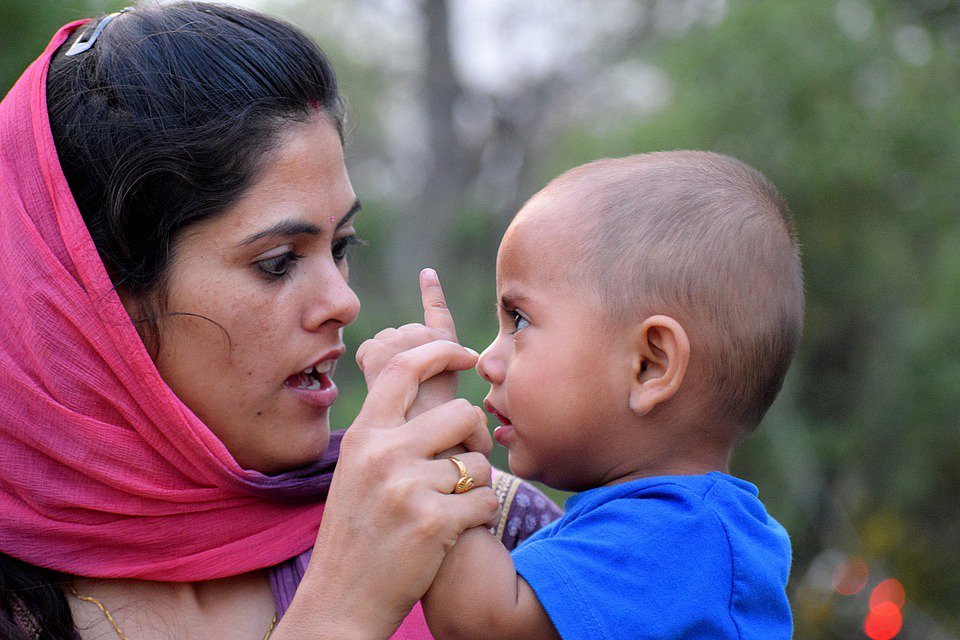
There are times when, as parents, we may have wondered if we are bringing up our children the right way. And, while looking around for answers, we would have found that there is no manual that has the perfect answer to our questions.
However, through introspection and by questioning ourselves, we can overcome our shortcomings and improve our parenting skills.
"Asking ourselves critical questions about our parenting is a useful starting point for self-reflection. It helps us open our minds, think deeply and gives new insights into our parenting practices. Because our parenting is influenced by several factors, self-reflection helps us know which track we are on, what's working and what's not. That gives us room for encouragement, as well as scope for course-correction, improvement and growth as parents." - Arundhati Swamy, Family and School Counsellor at ParentCircle
Five critical questions to ask yourself
1. What are my parenting goals?
In order to understand what your parenting goals are and how they fit into your list of priorities, answer the following questions:
- How would you best describe the kind of parent you are?
- Does your parenting style involve controlling and disciplining your child or would you rather let them have more fun and meaningful memories of their childhood?
- Where does parenting figure in your list of priorities?
While we have only listed a few questions, you should ask yourself more such questions and find the answers to them. This exercise will help you better understand your parenting goals and help ensure a healthy and happy parent-child relationship. It will also enable you to maintain the right balance between parenting and personal goals.
For, facing the challenges in parenting may figure high on your list of priorities. However, it shouldn't make you look away from what you want to do and achieve as an individual. So, take good care of yourself and your needs.
2. What kind of relationship do I share with my child?
Examine the kind of relationship that you share with your child -
- Is it one of discord, of control, or of love and understanding?
- Do you spend quality time with your child?
- Do they look forward to being with you?
- Do you enjoy interacting with your child or would you rather spend time doing other things?
Try and build a strong relationship with your child. Respect their unique personality and pay heed to what they have to say. Observe your children in order to have a good understanding of their strengths and weaknesses. When you find yourself in conflict with your children as they grow older, the bonds and connections that you both share will help you deal with these struggles.
3. Do I model values and qualities that I want my child to have?
Parents are the most significant role models for children. So, ask yourself -
- Am I a good role model for my child?
- Do I imbibe the morals and ideals that I value?
If you find that your children engage in wrongdoings like dishonesty or aggression, or use foul language, think carefully if they might be learning it from you. After all, children are known to mimic the attitudes and behaviors of their parents. So, set a good example for your child and help them become a better individual by modelling good values and social skills, having meaningful relationships, keeping high but realistic expectations, displaying good work ethics and learning from mistakes.
4. How do I react to my child in difficult situations?
Challenging situations are a part of a parent's life. How do you cope with such testing times?
- Do you display your frustration or anger by yelling, hitting and reprimanding your child?
- Are you more worried about the embarrassment they are causing you instead of addressing the actual issue?
- How do you respond when your child is unsuccessful, discouraged or distraught?
Ask yourself whether you are providing the necessary support that your child needs instead of harping on the negatives all the time. When your children make a mistake, try to handle the situation positively by helping them understand what went wrong. This way, they will know what to do when a similar situation arises the next time. Provide words of encouragement that will help them learn and emerge stronger.
5. What do I dislike most about parenting and how can I change my outlook?
Parenting is one of the toughest jobs in the world. It is never easy coping with the pressures and challenges that parenthood entails. So, ask yourself what is it that you dislike most about being a parent? Be honest about the parenting challenges that you are unhappy about.
- Do they affect your parenting abilities?
- If so, what can you do to change your outlook?
Communicate these worries to your spouse who can help share responsibilities or to a friend who can guide you. Don't aim to be the perfect parent as, this way, you will never be happy or feel any sense of achievement. But if your parenting worries are becoming overly troublesome and disheartening, seek professional help.
The journey of parenting never ceases. Even after your children have grown up, you will still be concerned about them and involve yourself in their lives. So, even then, you can keep asking yourself these questions to stay in tune with the times.























Comments
Edit
Comment Flag
Cancel Update