Exams are an inevitable part of student life. Knowing how to conduct themselves in the exam hall can prevent your child from stressful situations. Exam hall etiquette, knowing the do's and don'ts, and rules to follow in the exam hall can help your child stay focused and feel confident
Exams, a word that brings up mixed feelings in both you and your child. While some are well-prepared and excited to write an exam, most children feel nervous and uneasy. Knowledge of exam etiquette and exam hall tips can make exams a lot easier.
Top exam room etiquette tips for your child
1. Arrive on time and manage time efficiently
The first and foremost life skill your child must learn is punctuality. Encourage them to reach the exam venue on time or possibly early. Doing so would leave them with a few minutes in hand to meet any last-minute emergencies that may come up. Tardiness can cause a lot of stress and is something a child should avoid before any exam.
Also, discuss with your child how they can approach the question paper and allot specific time for answering each section.
2. Do not carry unauthorized items into the exam hall
Remind your child to do a quick check to ensure they are not carrying anything on their person other than what the exam authorities approve. Cell phones, calculators, and other such gadgets should be left behind at home or deposited with the invigilator. Usually, identity cards, pens and pencils, and a water bottle are the only things allowed inside the exam hall.
3. Carry all necessary items for the exam
Help your child pack all they would need for the exam, the night before. Borrowing anything in the exam hall is always frowned upon by both the candidates and the invigilators. Your child must carry more than one pen in case one doesn't work.
4. Do not attract unwanted attention
An important exam room etiquette is to stay calm inside the hall. Looking around, giggling, or gesturing to friends attracts unwanted attention from the invigilators. Sometimes, such actions may lead to questioning by authorities and, in extreme cases, even cause your child to be barred from writing the exam.
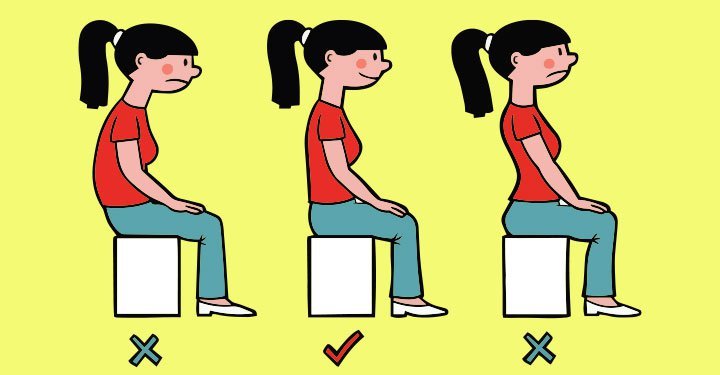
5. Maintain a proper posture while sitting
An exam that lasts for three hours will surely take a toll on the muscles of the back and the neck. While your child may not be able to exercise to ease their stiff muscles, maintaining proper posture can help. Also, they can roll their shoulders and wrists discreetly to loosen stiff joints.
6. Focus on the task at hand
Before the exam starts, closing the eyes and taking deep breaths can help your child concentrate and focus on the task ahead. Guide them on how to keep the momentum by focusing first on questions they can answer well and fast.
7. Do not scribble on the desk
Scribbling on the desk in the examination hall must be avoided at all costs. Many children end up doing their calculations on the desk and then covering them with their answer sheets. Trying to cover up what they have scribbled may arouse the suspicion of the invigilators, who may think that the child is trying to cheat or copy. Also, caution against drawing pictures on the desk when they have finished their paper and waiting for the exam to end.
8. Raise your hand when you need help
Be it a query about the question paper or a need to borrow something, guide your child to raise their hand to attract the invigilator's attention. Ask them not to waste precious time mulling over the situation or asking someone nearby for help.
With hard work, motivation, and these exam hall tips in place, your child should be able to brace the toughest of tests! All the best!
Anitha Bennett is a freelance children's author and conducts workshops for parents, teachers, and children.









































Comments
Edit
Comment Flag
Cancel Update