The CBSE board exams are just days away. It is time for your child to pull up their sleeves and give it their best shot. The days leading up to the exams are as important as the D-day itself. For this is the time when the fear of the exam creeps in, and anxiety and stress begin to appear.
To help your child stay composed and focused on doing well in exams, here are a few tips by Dr Meghna Singhal on what to do the day before an exam.
What to do one day before the exam?
1. Keep important documents ready
It's vital that students check and keep their documents such as admit card and other supporting certificates ready the night before the exam.
2. Check and pack all stationery
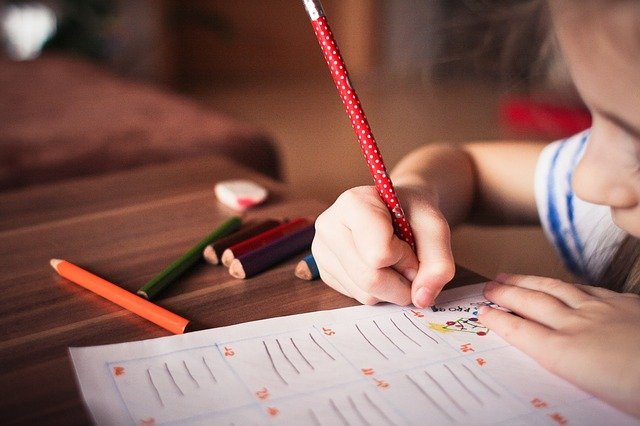
Ask your child to check their stuff like pens, pencils, sharpeners and erasers, and then pack their bag. If something is missing, you can get it for your child on your way back from the office the previous evening.
3. Be familiar with the venue
Dr Meghna says, "It's a good idea to visit the examination centre a few days before if it's an unfamiliar venue. This will save a lot of time and prevent last-moment anxiety attacks."
4. Remind about time management
"Many students make the mistake of not timing themselves. They spend a lot of time attempting the first few questions and then realize they are running out of time when it comes to completing their papers. As a result, they end up rushing through the paper and not paying enough attention to the questions. They begin feeling anxious as they aren't mentally prepared for it," says Dr Meghna. So, with the help of mock question papers, help your child learn how to divide their time between different questions or sections of the question paper. Timed tests will certainly help manage time efficiently.
5. Avoid caffeinated products
Caffeine-containing products like coffee, chocolate or health drinks should be avoided as they can increase alertness and disrupt sleep.
What to do the night before an exam?
1. Encourage your child to revise at bedtime
Research has proved that studying before bedtime helps in better recall. According to the study, 'Memory for Semantically Related and Unrelated Declarative Information: The Benefit of Sleep, the Cost of Wake', by Payne et al, published in PLoS One (2012), "Sleep is most beneficial to memory 24 hours later if it occurs shortly after learning...sleep does in fact stabilize declarative memories, diminishing the negative impact of subsequent wakefulness." So, ask your child to revise from key notes before they go to bed the night before the exam.
2. Ensure your child gets enough rest
The night before an exam, ensure your child gets enough rest and sleep. "Make sure that they do not study all night before the exam day, as it will interfere with their ability to think. A working brain that is well nourished and rested will enable them to answer questions better, even if they haven't been able to prepare to their satisfaction. Many children also feel hungry while writing exams, so your child must eat a healthy and filling meal before the exams," says Dr Meghna.
3. Avoid screen devices
Discourage your child from watching or reading something on the mobile, tablet or laptop. The blue light given off by these devices can upset the circadian rhythm and interfere with sleep.
4. Offer a glass of warm milk
Exam stress can, at times, make it impossible for your child to fall asleep. So, give your child a glass of warm milk at bedtime to help them sleep better.
5. Set the alarm
Waking up at the right time is important to ensure that your child reaches the examination hall with some time to spare. Rushing through the motions like bathing, having breakfast, and running to catch the bus would cause undue stress.
What to do on the morning of an exam?
1. Eat a healthy breakfast
A good breakfast would ensure that your child has the energy to sit through the exams. It is best to include foods which release energy slowly and keep your child going through the duration of the exam.
2. Give a pep talk
As the minutes fly by and exam time nears, your child may feel edgy or panicky. So, give them a pep talk to help them stay positive and confident. Also, tell them to avoid talking to those who can make them feel nervous or unsure of themself.
What to do 1 hour before an exam?
1. Practice relaxation techniques
On exam day, encourage your child to do visualization exercises. "Ask them to close their eyes, take deep breaths and visualize themself sitting in the exam hall, attempting all the questions without difficulty, and coming out of the hall. This is a standard visualisation exercise that may help," explains Dr Meghna. She further adds, "Many students also complain of nervousness and sweaty palms while attempting the paper. If this is the case with your child, ask them to do deep breathing exercises before attempting the paper. But remember, deep breathing works only when your child has been practising it for some time. Otherwise, it does not work as a relaxation tool. It has to be done every day to work."
2. Check their surroundings
When your child enters the exam hall and occupies their seat, they should first check the condition of the furniture. They should also see if there is something scribbled on the furniture. If so, then they should bring it to the invigilator's attention. If there are pieces of paper or any reading material lying around their seat, they should ask the invigilator to get them removed.
3. Visit the restroom
Make sure your child goes to the restroom a few minutes before entering the exam hall so that they don't have any urge or discomfort later.
Social media is always active and bursting with activity. While it may be an exciting place to be in, it could also distract your child from their studies. So, ask your child to cut down or discontinue social media use before and during the exams.
2. Stay awake late
Make your child understand that staying up late at night to cram the lessons would not only upset their sleep schedule but also make them panic. So, it is best to avoid studying late into the night.
3. Compare with peers
Often children begin to compare themselves with their friends or peers. It makes them feel that they are lagging behind others in preparation. So, ask your child to focus on their own preparation and progress, and not get carried away by what others are doing.
4. Sit with the books all day
While preparing well for exams should be the foremost objective on your child's mind, remind them that, 'All work and no play makes Jack a dull boy'. Encourage them to take breaks, preferably for 5 to 7 minutes after every 45 minutes to an hour of study.
5. Give in to stress
Preparing to do well in exams puts enormous pressure on children. At times, it could lead to your child forgetting what they have learnt or misplacing their notes, and so on. Ask your child to stay calm and focused instead.
Motivate and encourage your child through the exam season and be there to listen to them when they feel the need to talk. Don't compare the effort and time they put in, with their peers. Also, avoid speculating about their performance when they come back from the examination centre. Take each day as it comes and focus on the task at hand rather than what could have been.
And, let your child draw inspiration from the pioneering industrialist William Durant's words - "Forget past mistakes. Forget failures. Forget everything except what you're going to do now and do it."
Yes, let your child focus right now only on their exams and nothing more. Success will certainly be theirs!



























Comments
Edit
Comment Flag
Cancel Update