
Aggressive Behavior In Children: Causes, Symptoms And Effective Ways To Prevent It
Lokeswar A Gopikrishna
Lokeswar A Gopikrishna is an 11th-grade student studying at the American International School of Chennai. Captivated by economics and politics, he intends to pursue one of these fields at university.
Aggressive behavior in children can be worrying and emotionally exhausting for any parent. This guide gently explains the common causes of aggression in kids, the early signs you shouldn’t ignore, and simple, effective strategies that truly work
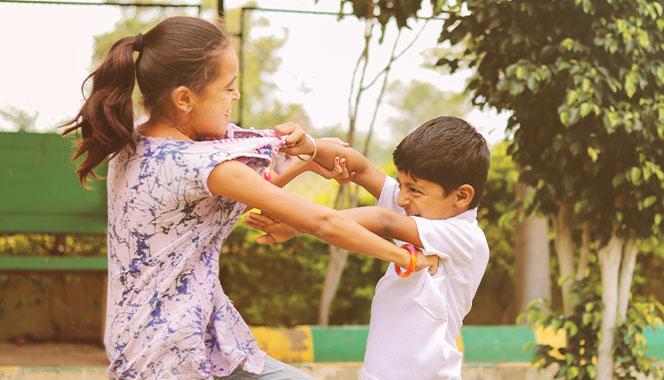
Aggressive behavior, as defined by the Cambridge dictionary, is a type of physical behavior that is threatening or involves harm to someone or something.
Children display aggressive behavior when they throw angry tantrums by kicking or throwing things, having sudden outbursts involving the destruction of objects, bullying, verbal attacks or violence. While outbursts and tantrums are usually normal in children below the age of five, continuing to display this type of behavior even after the age of six suggests that some form of intervention is required.
Why do children show aggressive behavior
Before addressing aggressive behavior, it is important to understand what is causing it. There are several reasons children could be displaying such behavior. Let us look at a few of them.
Environmental causes of aggressive behavior
In the Bobo-Bashing study conducted by Albert Bandura, children in the ages of 3-5 were shown two different types of models, one aggressive and the other non-aggressive. They were then left alone in a room with violent toys and soft dolls to behave as they wish.
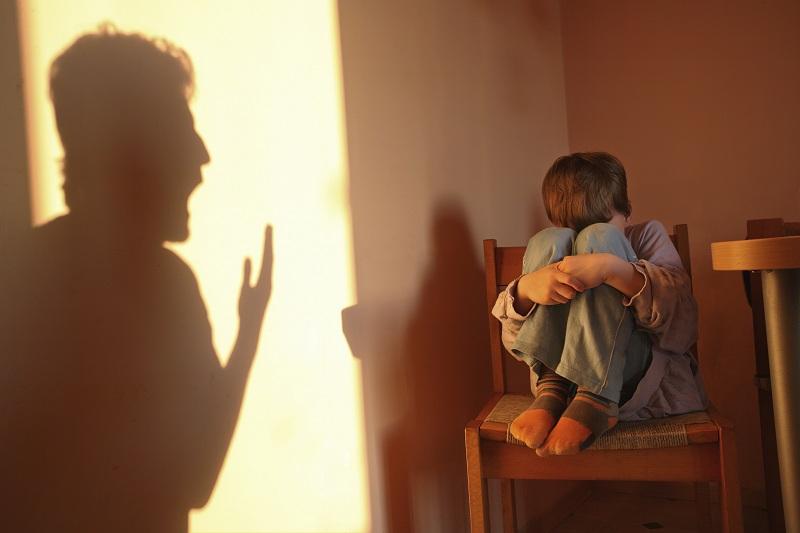
The results showed that the children exposed to the aggressive models displayed more aggressive behavior than those exposed to the non-aggressive models. This study helped Bandura coin the social cognitive theory, which suggests that we acquire and demonstrate knowledge through the process of attention, retention and motivation for reproduction. This means that we use our experiences and environment to learn and remember things, which we then reproduce when we receive the motivation to do so. So if a child sees aggressive behavior at home, they are very likely to model that behavior. Parents need to be careful to set a good example at home.
Physiological and medical causes of aggression
According to the Child Mind Institute, children may also display aggressive behavior due to mood disorders, psychosis (psychotic illnesses stimulating aggressive behavior), frustration, injuries, conduct disorder and trauma.
Although it is recommended that you first try the methods listed below to minimize your child’s aggressive behavior, if they continue to be aggressive, then it is likely that their aggressive behavior is due to an underlying medical cause. In that case, you should seek professional help from a certified medical practitioner as soon as possible.
Effective ways to prevent aggressive behavior in children
Here are some practical strategies to reduce aggressive behavior in children.
Monitor your child’s technology use
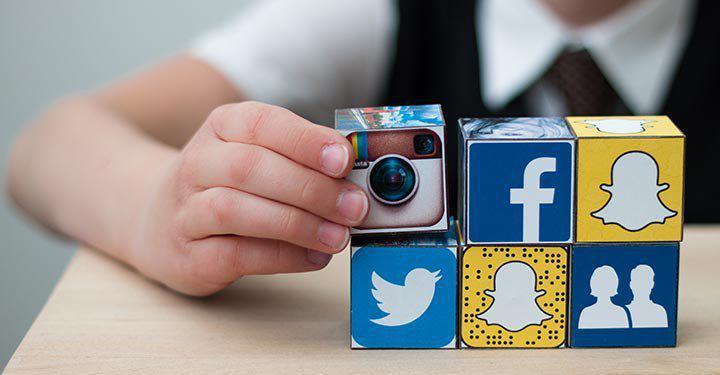
Technology has a huge influence on children and their behavior. Unregulated use of technology can expose children to violent, sexual or explicit content. Thus, it is very important for parents to make sure that you either impose parental controls on their child’s device or monitor the content they may be viewing.
Engage your child in calming activities
Making your child engage in calming activities like yoga, mindfulness/meditation, coloring, or art allows their mind to calm down. It also decreases any stress or anxiety they may have that is inducing aggressive behavior.
Positive and negative reinforcement
The idea of reinforcement is directly connected to the social cognitive theory. Essentially, whenever your child demonstrates aggressive behavior, you should negatively reinforce it by dismissing the idea or shaking your head to indicate it is not accepted. When they engage in proper behavior, you could give them a sweet treat or something they like to encourage the behavior. This idea of reinforcement will change the type of behavior they express by modifying your child’s mindset
Cognitive-behavioral therapy (CBT)
Engaging your child in cognitive behavioral therapy helps them acquire new strategies for regulating angry behavior and controlling their emotions.
Consult a medical practitioner
This should be the last resort when none of the above techniques have worked. Taking your child to a psychologist or pediatrician may help identify the underlying cause that is causing aggressive behavior.
Helping your child develop healthy emotional habits
Aggressive behavior can be worrying, but remember—it’s often your child’s way of communicating feelings they don’t yet know how to express. What matters most is noticing the patterns early and responding with calm, consistent guidance. With patience, positive strategies, and the right support, most children learn healthier ways to manage anger and frustration. And if you ever feel unsure, seeking professional advice is simply another way of caring for your child. With your steady presence and understanding, your child can grow into a calmer, more confident version of themselves.
Identifying and addressing behavioral issues in preschoolers.
Last updated on: November 28, 2025



























Comments
Edit
Comment Flag
Cancel Update