
Aggressive Toddler Behaviour: Causes And Calming Strategies Every Parent Can Use With Confidence
Anitha Bennett
author parentcircle author parentcircle author parentcircle author parentcircle author parentcircle author parentcircle author parentcircle author parentcircle
Aggressive toddler behaviour can leave any parent feeling overwhelmed and unsure of what to do next. This gentle guide explains the common causes of toddler aggression and shares simple, practical strategies to calm violent toddler tantrums with patience and confidence
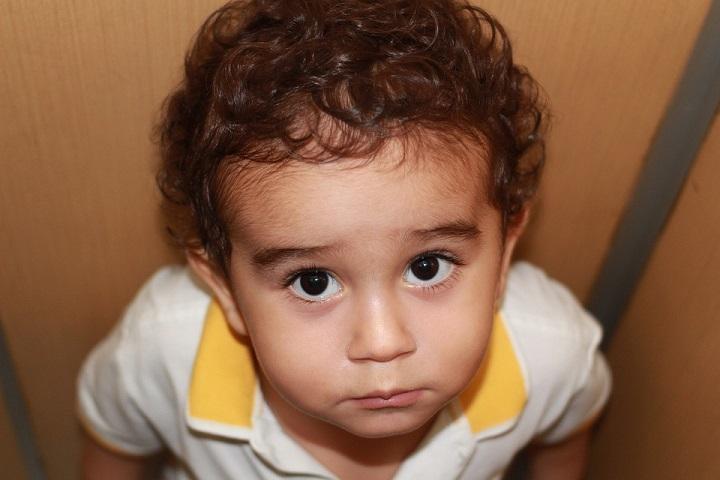
Every parent is familiar with toddler tantrums and aggressive behavior. A toddler creating a scene in a public place, acting unruly, trying to punch their parents, or sinking teeth into someone are incidents most of us would recall. And, in all these cases, the parents wished they knew how to calm their child without losing their own cool.
In this article, we’ll explore the real causes behind aggressive toddler behaviour and the parent-tested strategies that can help you calm your child without losing your own cool.
Common causes of aggressive behaviour in toddlers
'Terrible twos' is a term used to describe a phase of aggressive behaviour in toddlers between two and three-year-olds. During this time, children tend to misbehave, refuse to obey, and sometimes get out of control, all of which makes life difficult for parents.
Other underlying causes of aggressive toddler behaviour are emotional stressors, frustration, mood disorders, and neurological conditions like autism and attention deficit hyperactivity disorder (ADHD).
What parents can do to manage toddler aggression
Use words: Ask your little one simple questions to find out how they are feeling. For example, 'Are you angry because your toy was taken away?' or 'Looks like you are hungry. Can I get you your favourite snack?' Doing so will help your child become aware of their emotions and verbalize or name them, and eventually handle themself better.
Stick to routines: Children thrive on routine. It gives them a sense of security, for they know what to expect next. Any deviation from the set schedule throws them off guard. So, try to stick to your child's pre-set routine as much as possible, especially for mealtimes and bedtimes. In most cases, irritability and moodiness in children can be traced to just disrupted schedules.
Distract your child: Every parent in a sticky situation tries this one. Getting the child's mind off what they are obsessed with by distracting them with things they like or noticing something new. This time-tested solution works with most frustrated and angry toddlers and is sure to work on yours as well. Refer to the list at the end for more quick-fix ideas that work. If your child is prone to frequent spells of anger, come up with more such ideas!
Hold your child: Being around a busy parent who is not paying attention to them can sometimes make a toddler grumpy. In such cases, parents can sense beforehand that their child is in for a meltdown. Stop your work, hold, and cuddle your child for a few minutes to comfort and calm them. Breathe slowly to help coregulate your child's breath. Reassure your child with a promise of spending time with them as soon as you finish your work a little later.
Limit screen time: Nowadays, children spend a significant amount of time on digital screens every day. Parents agree that most of what they watch goes unmonitored. So, it isn't surprising when children pick up their kicks and moves from their favourite shows and practise them when angry at the nearest person. Plan for your child to spend at least half an hour playing outdoors. Let them burn those wiggles inside with some good old-fashioned play. You will notice a change in their mood when they are done playing.
Manage yourself first: Many parents react to tantrums by yelling, hitting, or threatening them. This may work only temporarily. Calm yourself down before handling a cranky child. It does not help when you try to meet your child's aggression with your anger. When your child has an emotional outburst, your calm face will help them calm down before you comfort and reason with them.
Quick and effective calming strategies for angry toddlers
- Squeeze a soft stress ball
- Chew on a straw
- Sip water
- Play the game, 'Simon Says'
- Blow bubbles
- Breathe in and out deeply
- Knead dough with a drop of colour in it
- Push the wall hard
- Crush waste tissue paper balls and throw them into the dustbin
- Pop or stamp on bubble wrap
- Play music, fast and slow
- Pull out your child's favourite book or game
Why your calm matters: creating a peaceful home atmosphere
A calm parent and a calm child contribute to a calm household. Toddler aggression may feel overwhelming in the moment, but with patience, understanding, and consistent calming strategies, things truly do get better. Every time you help your child express their feelings, take a deep breath, or find a safe outlet for their frustration, you’re teaching them an essential life skill. Remember, your child isn’t being “bad". They’re still learning how to handle big emotions in a tiny body. With your steady support and loving presence, your toddler will gradually grow into a more confident, emotionally aware child who can weather life’s storms with resilience.
Last updated on: December 04, 2025
The Dot SEL program for kindergarten at The Dot Learning Circle is designed to help children feel safe, secure, and ready to learn and engage in classroom activities. The activities help them become aware of their feelings, emotions, thoughts, and behaviour. The child learns to express their emotions and manage their behaviour in different situations.



























Comments
Edit
Comment Flag
Cancel Update