
Understanding Anxiety In Children: Signs To Watch For And Ways To Offer Support
Kavitha Shanmugam
Worried your child may be struggling with anxiety? Learn how to recognize the signs early and discover practical, compassionate ways to help them feel safe, supported, and more in control of their emotions.
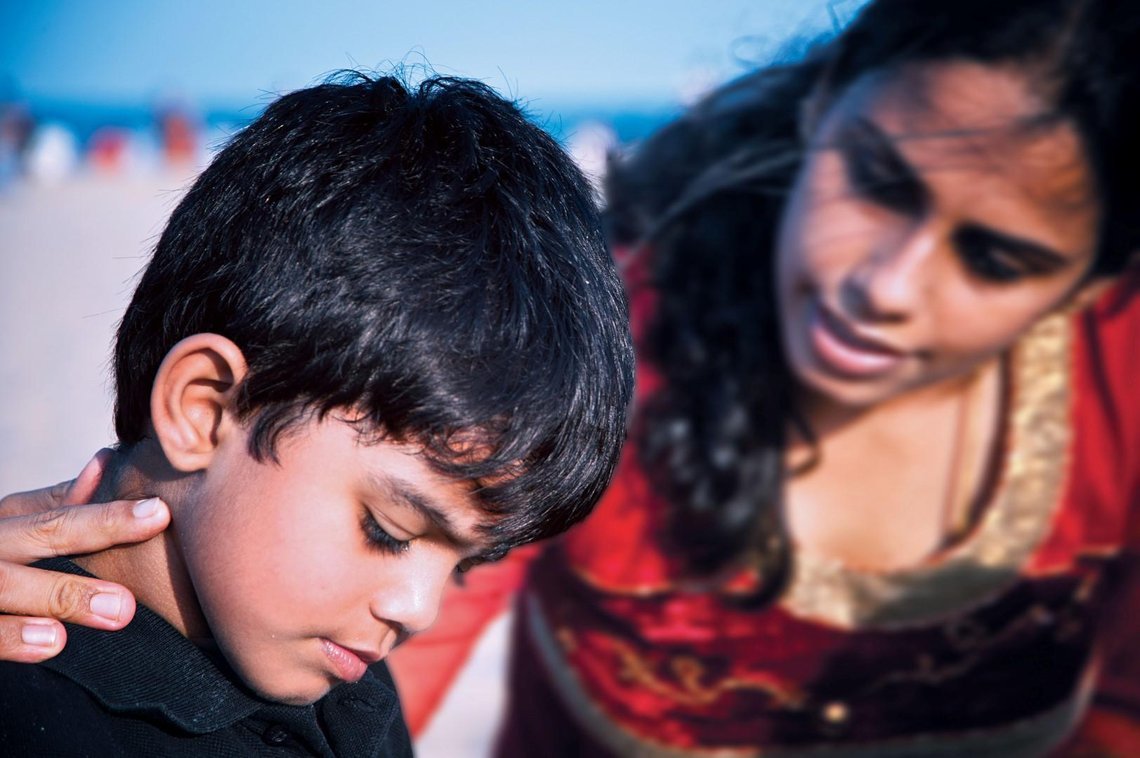
"Anxiety is a diffused, subjective sense of worry, apprehension, distress, and fear," explains Dr Sangeetha Madhu, a clinical psychologist. Anxiety may involve worrying about something in the future (unlike fear, which is an immediate reaction to a definite situation), and if left untreated, can lead to low self-esteem, deficient interpersonal skills, adjustment difficulties, problems with making decisions, concentration, and sometimes even lead to depression.
What causes anxiety?
Anxiety can be genetic, or it can occur due to biological, medical, and psychological reasons. Parenting attitudes and child-rearing practices are some of the key reasons for anxiety in children, say psychologists.
Anxious parents have anxious children
Children of a nervous, anxious parent are most likely to be nervous. Professor V Jayanthini, Head, Child Guidance Clinic, Institute of Child Health in Chennai, points out, "A parent, anxious by nature, can pass on this attribute to her child. Parental attitudes like an authoritarian father or mother can also cause anxiety." Psychologists believe that it's the anxious parents who need more intervention and support than the child.
To drive home this point, Dr Sangeetha Madhu narrates the case of a 14-year-old student in Chennai who played a competitive sport. He was constantly losing in tournaments against juniors not as good as him. The same teenager always won during practice sessions.
After a few counseling sessions, she realised that the boy felt extremely pressured by his parents. His parents' anxiety about his performance in the matches made him nervous, and he had developed a block in his mind. The fear and anxiety of 'what if I lose' filled his mind, and he ended up losing tournaments. She spoke to the parents and helped them understand that they needed to ease the pressure on the child if they wanted him to win.
Negative thinking and other causes
When a child is habituated to thinking negatively, it can stir up anxiety. A lack of emotional regulation skills, poor social skills like an inability to make friends, impactful early childhood experiences, and unrealistic parental expectations are other causes that can create anxiety in a child.
When anxiety crosses bounds
Experts say that 9 to 13 fears are permissible for a child of four years and above. They can be afraid of the dark at age 6. But if they cannot sleep alone at age 14, there may be a problem. Similarly, a child can be anxious before exams, but if they blank out and refuse to do the exam, there is an issue.
Fear of ghosts, animals, insects, doctors and injections, teachers, and class recitals are all part of the package of childhood anxieties. Children do outgrow many of them. If this does not happen, prolonged anxiety often carried into adulthood takes a toll on health. It hampers the quality of life. It could lead to phobias and depression.
Signs of anxiety
If children are anxious beyond the normal limits, they will frequently complain of headaches or nausea and be irritable, jittery, or short-tempered. They suffer from disturbed sleep patterns, perform poorly in school, or even refuse to attend school.
Says Dr Jayanthini, "An anxious child can be restless, fidgety, sensitive, tensed up, cry for trivial reasons, and constantly seek reassurance."
She cites the case of a six-year-old boy who refused to let his father out of his sight, hence, would even refuse to attend school. At home, alone with his mother, he would telephone his father every half hour to find out if he was alright.
After many therapy sessions, the reason for his excessive anxiety was discovered. It involved a train accident that had occurred in Kerala, where his father was at work a few months earlier. The family suspected that the father might have been involved in the accident. There was panic and pandemonium in the house for a while. This palpable fear permeating the house was transferred to the child, and it remained with him.
Handling an anxious child
An anxious child needs empathy from their parents, not the message that something is wrong with them. When parents acknowledge and understand their child's worry, they will automatically stop pushing them to do something against their wishes and comfort. Some shared activities can take the child's mind off the worry. A parent's encouragement and genuine praise can improve the child's self-esteem.
If the problem is severe, help should be sought from a mental health professional.
Raising a composed and balanced child
Says Dr Emma R Gonsalvez, a senior psychotherapist and consultant, "I would advise parents to be in the Now, help children in what they are doing Now and not worry about the future. It is sad when children break down trying to meet the unfulfilled dreams of their parents."
"Parents should see what their child is capable of and tap their resources within. They can ask: 'Was this your best?' It helps if parents encourage the child to be the best they can be. Ultimately, unconditional love works like magic and can relax a child like nothing else."
Preventing anxiety
Dr Sangeetha Madhu suggests that parents must raise their children with values and vision. They need to build into the child:
- A sense of security in early childhood.
- A sense of belonging that results in self-assurance.
- A positive self-image that results in self-confidence.
- A sense of purpose in life, a "who am I" in the larger scheme of things.
DON'Ts
- Don't give your child excessive reassurance
- Don't be over-involved
- Don't deny the child's age-appropriate responsibilities
- Don't become impatient with your child
DOs
- Reward brave and non-anxious behavior
- Prompt your child to cope constructively
- Be a brave and non-anxious parent yourself
- Be supportive





























Comments
Edit
Comment Flag
Cancel Update