
5 Common Preschool Behaviour Challenges And Gentle Ways Parents Can Respond Effectively
Amrita Gracias
Preschoolers often show common behaviour problems like tantrums, defiance, lying, aggression, or picky eating, and it can leave parents feeling confused or overwhelmed. This reassuring guide offers simple, practical, gentle strategies you can use to support your child with confidence and calm
- 146.3K
- 4
- 6

As our little ones enter the milestone preschool phase, they experience a range of emotions, communicate their needs, and begin to assert their independence. However, they are still learning to express themselves clearly and patiently, so parents become all too familiar with temper tantrums, disobedience, defiance, and other such issues. Most often, these behaviours are a normal part of development.
Understanding behaviour in preschoolers
A behavioural problem refers to behaviour that is persistent, disruptive, or not developmentally appropriate for a child's age.
What behavioural problems mean in preschoolers
Children's behaviour is a form of communication. They may act in certain ways to express needs, seek connection, avoid discomfort, or cope with frustration. Although defiance and naughtiness are typical toddler behaviors, they are a cause for concern when frequent, disruptive, and disturb the child's daily routine at home or school.
Why preschool behavioural problems happen
There may be several factors that contribute to a child's challenging behavior. These include:
- Life-changing events, such as the birth of a new sibling or a shift to a new home.
- Delays in language or communication skills.
- Changes in sleep routines.
- Sensory sensitivities.
- A parent's emotional state can greatly impact their children's behavior. For example, if you are distressed about an issue at work, your child can easily sense it and may react with unease or aggression.
- Attention or the lack of it. We tend to pay attention to our children only when their behavior is difficult; we hardly notice or often take for granted their good behavior. Some children may learn that difficult behaviour gets more attention than positive behaviour.
Signs that may indicate challenging behaviour
Common behaviours that are usually part of development
Preschoolers are still learning to express emotions and manage frustration. Occasional difficult behaviour is normal; persistent or patterns may need closer attention.
- Occasional tantrums
- Refusing instructions
- Throwing toys when upset
- Irritability
Signs that deserve professional attention
- Hurting themselves
- Persistent aggression
- Excessive fear
- Significant eating changes
- Developmental regression
- Difficulty functioning at home or preschool
Any attempt at self-harm requires immediate professional support.
How to respond to challenging behaviour in young children
We must identify unacceptable behaviors and address them early. Ignoring them can cause these behaviors to become the child's normal response to life situations.
Early support can help children develop healthier ways of expressing emotions and responding to challenges.
Five common behavioural challenges in preschoolers
Remember, it is normal for a child to display occasionally one or more of these behaviors.
1. Temper tantrums
Most preschoolers throw a tantrum at some time. Although extremely embarrassing and stressful, a little patience on our part can do wonders.
Children usually throw a tantrum when they are:
- Overcome with emotions like anger, fear, and disappointment.
- Unable to control a situation.
- Feeling hungry and tired.
- Confident that throwing a tantrum will help them get their way.
If you foresee a tantrum at the store when denied a toy, explain beforehand that you are going to buy only groceries, not toys. This will better prepare them to regulate their emotions when they suddenly see a toy they want but get a firm 'No' from you. Giving in to their tantrums, on the other hand, will give them the mistaken idea that they can get anything they want at any time.
If you sense that your child's tantrum is a reaction to your own stress, the best thing you can do is not make them feel guilty for misbehaving. Instead, work to calm yourself down first, and then calm your child.
Tantrums usually peak between ages 2 and 4 and become less frequent as language and self-regulation skills improve.
2. Defiance and refusal
It is no doubt frustrating when your child refuses point-blank to do as told.
- Calm yourself first, so you don't lose your temper straightaway.
- Remind yourself that defiance is a sign of your child's growing independence.
Persistent defiance that interferes with family life or preschool routines may require closer attention.
You must motivate your child to listen to you.
- Praise them when they are cooperative.
- Explain to them that being cooperative is also being responsible.
- One way to help your child out of the habit of defiance is to offer them limited choices. It gives them a sense of control and makes them want to cooperate with you.
For example, if your child refuses to go to bed at the time you have set, ask them to choose which pair of pajamas they would like to wear. This way, they get involved in the decision, and their growing independence is not compromised.
3. Lying in preschoolers
It is normal for preschoolers to tell lies, either by exaggerating the truth to get attention or by bending or evading the truth to avoid getting into trouble.
Although this is nothing to worry about, if not addressed early enough, your child may grow to be a habitual liar.
- If you know your child is lying, calm yourself first. A calm adult encouraging them to tell the truth is more effective.
- Explain, using simple examples, the difference between truth and lies. You could play a game of naming the colors of the sea or the trees, and ask them to identify if the statement about the color is true or not.
- Discuss how lying could get them into more trouble than the situation they want to get out of. Emphasize that it's okay to be honest, even if it has an immediate consequence.
- Remember to be a role model by being honest and truthful yourself!
Experts also caution parents against labeling children as 'liars.' In an article titled 'Why kids lie and what parents can do about it,' Dr Carol Brady, clinical psychologist at The Child Mind Institute, explains why it's a big mistake to call a child a liar.
According to Dr. Brady, the wound it creates is bigger than dealing with what the child lied about in the first place.
It is also important to understand that for preschoolers, the line between reality and fantasy is often blurred.
4. Aggression and hitting
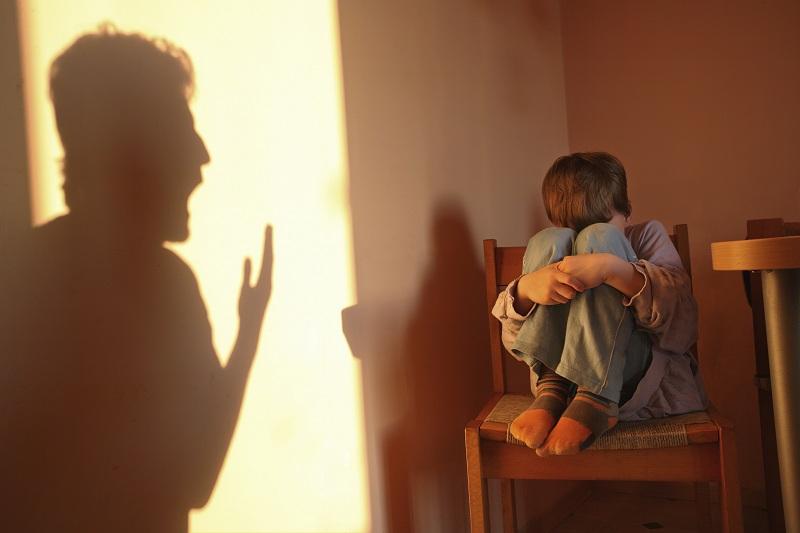
Aggressive behavior, although worrying, is also rather common in a preschooler. Your child could throw things, kick, hit, or bite to express feelings of anger.
On the other hand, such reactions may be triggered because they cannot express themselves effectively. If, for instance, an older child snatches a toy from them, they may bite or hit because they cannot get it back any other way.
Sometimes, however, they might behave in this manner to test you and see whether they can get their way. Hence, set boundaries that this kind of behavior is unacceptable.
Remember, though, that discipline is not the same as punishment. Also, give your child the vocabulary of emotions so that they can talk about their feelings rather than act them out.
5. Fussy or emotional eating
Your child's responses to food can also become a behavioral issue. They could fuss about the food or overeat, leading to unhealthy food habits. Encourage them to eat wholesome foods at set mealtimes and develop healthy food habits.
- Do not make sweets or chocolates a habit. Instead, reserve them for spontaneous celebrations.
- Remember that your child might be confusing hunger with emotions. They may be feeling bored and could be confusing it with hunger, resulting in excessive eating.
Help your child understand the difference between physical hunger and emotions such as boredom, sadness, or frustration.
When should parents seek professional help?
Supporting your child emotionally
Communication between you and your child always helps in a difficult situation.
- When your child behaves unacceptably, stay calm.
- Talk to them and explain why the behavior is unacceptable.
- If you think they're upset, help them talk about what is making them feel that way.
When to seek professional help
However, if you notice that challenging behaviours become frequent, intense, or begin to affect daily life, it is advisable to seek professional help. Sometimes challenging behaviours may reflect underlying emotional, developmental, or environmental factors and can be identified only through a professional assessment by a pediatrician, developmental specialist, or counselor.
Your child's behaviour often gives you clues about what they may be feeling inside. Rude or unruly behavior may not necessarily mean they are resorting to it willingly.
After all, your preschooler needs you the most when they are fighting with their emotions.
As a parent, you can try to understand what may be driving your child's behavior and support them with patience, guidance, and, when needed, professional help.
Need more information? Trusted resources:
- American Academy of Pediatrics - Temper Tantrums in Toddlers and Preschoolers.
- Centers for Disease Control and Prevention - Developmental Milestones for Preschoolers.
- Child Mind Institute - Why Kids Lie and What Parents Can Do About It.
- UNICEF Parenting - Positive Parenting Resources.
- Skene K., O'Farrelly C., Byrne E.M., et al. (2022). Can Guidance During Play Enhance Children's Learning and Development in Educational Contexts? A Systematic Review and Meta-Analysis.
Updated on: June 11, 2026
The Dot SEL program for kindergarten at The Dot Learning Circle is designed to help children feel safe, secure, and ready to learn and engage in classroom activities. The activities help them become aware of their feelings, emotions, thoughts, and behaviour. The child learns to express their emotions and manage their behaviour in different situations.






















Comments
My son is potty-trained but enjoys peeing in places he knows not to. For example, he peed on the floor because he simply "wanted to, so {he} did". Or he simply throws tantrums and says no when told to. He did great for a while but suddenly regressed.
His words. He is 4 years old. He does great at daycare.
I also have a 4 yr old who refuses to listen and obey. It’s either it’s his way or the highway. Whenever he doesn’t gets his way he has a temper tantrum. He hits his teacher and bit the principal and broke her skin. he been ask to leave the school and possibly being suspended or worst. I need help please. His teacher tried everything and did we. We don’t know what to do anymore.
-

1dilip bhele Feb 9, 2023
Spend 4 hours with child ,let them identified him which is good habit and which is bad habit, he has to answer, act as like him and ask him am i doing good, if he does good thing then just hug him and make dishes which he like
I am having the same behavior concerns with my 4yr old. She’s yelling and telling teacher “no”, tantrums, even trying to bite which these actions are not displayed at home. I’m so overwhelmed and just do know what to do. I need some type of advice
Bintu Tucker Feb 3, 2023
I have a four year old who doesn't listen and don't want to be redirected, she will start crying and throwing her things as well as toy , she has been ask to leave the daycare so I need help.
Julie L (Juju) Jan 17, 2023
Thank you
Edit
Comment Flag
Cancel Update