
10 Ways To Help Your Child Effectively Cope With Academic Stress
Sarika Chuni
In these competitive times, in order to excel, every child has to be on his toes all the time. And this could lead to stress. We tell you how you can help your child deal with academic stress.
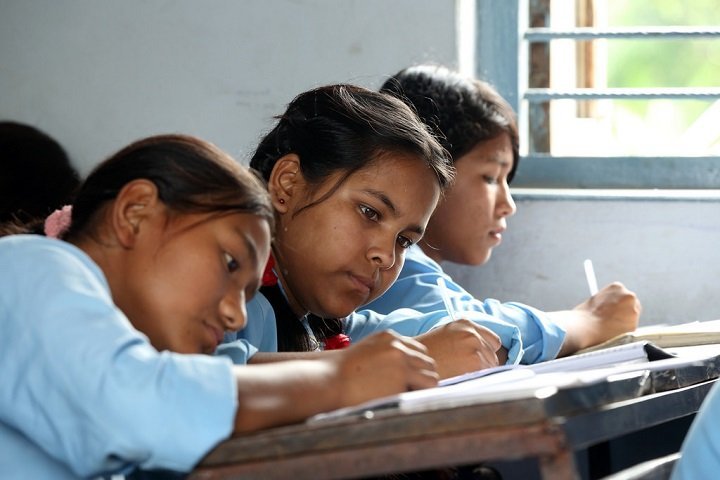
"We are students of words: we are shut up in schools, and colleges, and recitation rooms, for ten or fifteen years, and come out at last with a bag of wind, a memory of words, and do not know a thing." - Ralph Waldo Emerson
This quote by the 19th century author unfortunately still rings true in the minds of many students even in the 21st century.
In 2006, according to data released by the National Crime Records Bureau, 5857 students - 16 students a day - committed suicide across India due to board exam stress. This number further increased to 7,379 in 2010. The groundbreaking Right to Education Act (RTE), in 2009, introduced major modifications in the traditional education system to help students study without stress. However, these measures were not as successful as one might have hoped.
In January 2015, Sibnath Deb, Esben Strodl and Jiandong Sun, published their study, 'Academic Stress, Parental Pressure, Anxiety and Mental Health among Indian High School Students', in the International Journal of Psychology and Behavioural Sciences. They reported increased levels of academic stress among high-school students (63.5 per cent). What's more, according to the study, 'About two-thirds (66 per cent) of the students reported feeling pressure from their parents for better academic performance'.
It is clear that we still haven't been able to provide our children with a stress-free learning environment. So, as parents, what can we do to help our children deal with academic stress?
Before we focus on recognising the signs and symptoms of stress, it is important to note that not all stress is harmful. The right kind of stress can sharpen the mind and reflexes of individuals. However, when stress exists for an extended period of time, it can become a risk.
Signs and symptoms of academic stress
Here are some ways academic stress manifests in children:
1. Physical symptoms
- Irregular bowel movements
- Irregular or missed periods (in young girls)
- Increased susceptibility to illness
- Frequent headaches
- Sudden changes in weight (rapid increase or decrease)
2. Emotional symptoms
- Impatience
- Sadness (not caused by any personal tragedy), persisting for more than four weeks
- Lack of interest in activities enjoyed earlier
- Irritability
- Helplessness
3. Cognitive symptoms
- Problems in concentration
- Forgetfulness (easily misplacing personal items)
- Anxiety and worry
- Bad judgement
- Negative thoughts
4. Behavioural symptoms
- Changes in eating habits
- Changes in sleeping habits
- Skipping school frequently
- Desire for social isolation
- Display of nail biting and other obsessive habits
How to help your child deal with academic stress
- Pay attention: The very first step to solving a problem is to identify it correctly. Keep a watch on your child for any signs or symptoms mentioned above.
- Communicate: Listen first and then talk. For example, "I was wondering if there is something bothering you about school. Would you like to talk about it?" is a good question as opposed to "Why are you so irritated these days?", which makes the child feel judged for their behaviour.
- Address the child's issues directly: If your child feels that you have been pushing her too hard or expecting too much from her, do not go on the defensive and justify your position. Ask them about the goals their school has set for them and what the school expects from them. Help them achieve those goals. This makes the child feel powerful and independent.
- Provide your child a calm environment at home: Make sure your day is well planned and there is no chaos. An unplanned and chaotic start to the day only adds to their stress. A cool and peaceful home also leads to a good night's sleep, which is imperative for a relaxed mind.
- Cut down on any extras: A lot of parents these days keep their children so busy with tuitions and hobby classes that they barely get the time to reflect or even to spend quality time with their family. You should understand that children require some unstructured leisure time to maintain a healthy mind and body.
- Reduce technology: Limit the time your child spends in front of screens. This can be accomplished successfully only if you lead by example and devote time to your children, away from the phone.
- Be a role model: If the child observes you stressing about your work incessantly at home, chances are that they will do the same with their school work. Meditate, cook, paint, read or pursue activities that reduce your stress. Remember, you are the best role model for your child.
- Don't criticise: Do not censure your child's school or teachers, or the amount of homework she is getting. Such an attitude magnifies the negative emotions that your child is already feeling.
- Mind your language: When talking about grades or scores with your child, keep the focus more on learning and improvement rather than competition and scoring. Instead of asking, "What grade did you get?" ask "Do you think you did your best? How do you feel about it?"
- Connect with the school: If required, connect with your child's school staff to keep track of how they are doing in school.
- Get help: In case you feel that your child requires extra help from a counsellor or special educator, please do not hesitate. Find out ways in which you can help your child cope.
When to seek help
You should seek help from a professional when you notice the following symptoms in your child:
- Refusal to communicate despite repeated attempts from you
- Continuous deterioration of physical health
- Withdrawal from family and friends
- Frequent complaints of unexplained headaches, stomach pains and nausea
- Suicidal ideation or thoughts
Stress is a fact of life. So, we must teach our children how to manage it well. We need to teach this by example and by actively providing the child time for spontaneous play. Family board game nights, camping trips, creative group activities, gifting a painting kit, or just a romp in the backyard are a few ways of providing our children with some unstructured time.





























Comments
Edit
Comment Flag
Cancel Update