
What causes stress in children? 8 ways stress affects children and how to deal with it
Susan Philip
Yes, children could be stressed too! There are various reasons for stress in children. Here are the common causes and the eight ways stress can affect your child. Also read how to help children cope with stress
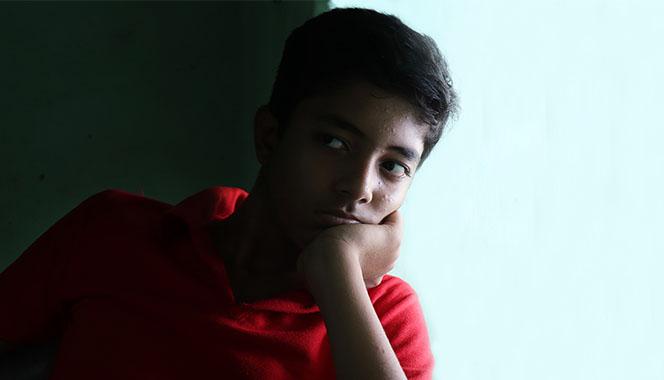
There's a misconception that stress affects only adults or children in their late teens. Even young children are prone to stress and they react to it in various ways. A little stress is not bad, as it can challenge a child to test their capabilities and discover hidden strengths. While stress in small doses isn't bad, high levels of stress in children are a cause for concern. For, prolonged exposure to stress has an unfavorable impact on a child's physical, mental, and emotional development.
But what causes children to experience stress?
From a very young age, human beings begin to experience stress. The factors that cause stress vary from individual to individual. Here are some common factors that can give rise to stress in children:
- While most children are well cared for by their parents and caregivers, some suffer neglect and abuse at their hands. A child whose needs of food, hygiene, and basic comforts are routinely unmet is likely to experience stress. Also, abuse of any kind makes a child feel anxious and worried. In his study titled 'Effects of Stress on the Developing Brain', published in the journal Cerebrum (2011), Bruce S. McEwen says: "Abuse and neglect also lead to poor health, including increased obesity, cardiovascular reactivity, and increased inflammation, which can have lifelong consequences."
- Disharmony between parents or between family members has a profoundly negative effect on children. Even very young children can pick up negative vibes, whether directed at them or between trusted adults. Bruce S. McEwen further says in his article: "Chaos in the home and inconsistent parenting impair the development of self-regulatory behaviors and can lead to substance abuse, earlier onset of sexual activity, bad decision-making, poor mood control, and poor performance in school."
- Watching adults in the family deal with issues such as severe financial difficulties, or prolonged or terminal illness, including mental ailments, can affect children of all ages.
- Perceived favoritism towards another child, discrimination, and unreasonable parental expectations can make a child feel stressed.
- The school environment also plays a big role in a child's life. Changes in friend circles and unsupportive teachers can make children feel anxious and worried.
- Peer pressure can be a stress factor in children as young as six years old. Among older children, social media can become a significant stressor. Also, children who are subject to unrealistic and unmet expectations from parents, experience an immense amount of stress.
- Events like the birth of a new sibling, the death of a parent or family member, and changes in family dynamics like divorce, can impact children across age groups.
Every child responds to stressors and stress in their own unique way. However, children are not equipped to deal with stress and its detrimental effects. Worse, they don't even know that they are suffering from stress. Owing to this, most children continue to struggle with stress and its adverse effects.
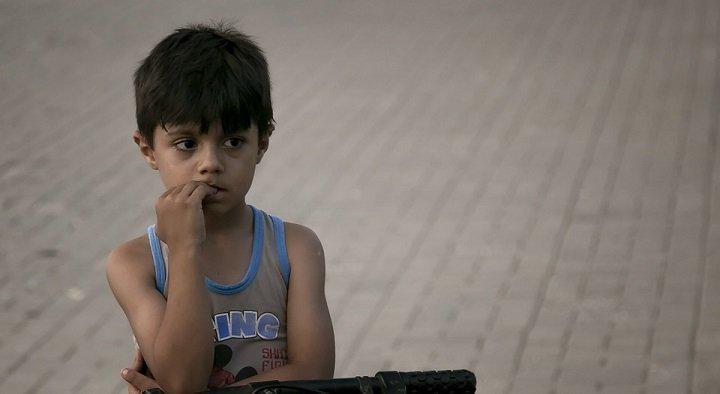
Here are eight ways stress can affect a child:
- Continuous exposure to stress harms the mental, physical, and emotional development of a child. Children who experience stress in early childhood find it difficult to keep up with their peers in their studies. Those who experience stress as a pre-teen or teen may exhibit a marked drop in academic performance as compared with the potential they displayed earlier.
- Exposure to stress also induces changes in personality. A child who is constantly under stress may change from an outgoing, happy individual to a timid, fearful, withdrawn, or aggressive one. Such changes in your child's temperament should set alarm bells ringing. Shields et al published a study titled: 'Stress-related changes in personality: A longitudinal study of perceived stress and trait pessimism', in the Journal of Research in Personality (2016). According to them: "...stress has been implicated in the development of several highly recurrent and chronic forms of psychopathology, including anxiety disorders and depression, which can promote persistent changes in affective aspects of personality."
- Stress affects a child mentally and physically. A child coping with undue strain may display physical symptoms. They may lag behind other children in achieving age-appropriate growth and developmental milestones. Their immunity may also be compromised, resulting in frequent illnesses.
- Stress sometimes manifests as vague, clinically inexplicable complaints from children. Some children repeatedly complain of headaches, stomach pains, or body aches that appear to have no visible physical causes.
- Changes in eating and sleeping patterns may also be indicators of stress in children of every age. Be alert if your child seems to have suddenly lost their appetite or is binge eating, has difficulty sleeping, is constantly tired and listless, or has lost interest in hobbies and pastimes.
- Children in the 6-10 age group who are stressed may exhibit regressive behavior. They may revert to habits like sucking their thumb or bedwetting. They may also display behaviors such as frequent crying spells or temper tantrums.
- Though a certain amount of defiance and uncooperative behavior is expected from pre-teens, if your child seems excessively confrontational or unwilling to adjust, you need to find out whether your child is under undue stress. You can either try to get them to open up to you or, ask an adult they trust to find out what's going on.
- Aggressive and violent behavior is often a sign of stress in teenagers. Some teens may also feel depressed and voice suicidal ideations.
How to help children cope with stress
Stress is something that can't be eliminated completely from our lives. As a parent, as you want to help your child cope with it, try to recognize the factors that are causing stress.
Children won't express their stress and anxiety in words, whereas older children shy away from talking about stress factors for fear of being judged or sometimes they are afraid to talk about it.
1. Always lead by example. Handle it well when you are in a stressed situation and your child will learn from you. Help your child express themselves better about stress and, then help them cope positively with stressors - guide them to turn the situation into a learning experience. This will hold them in good stead in later years.
2. Remember every child is different. Therefore, you should have a good idea of your child's threshold for stress. If your child is unable to cope with stress, it is your responsibility to provide them with all the backing your child needs to overcome the stressors.
3. Talk about any issue that is causing stress in the family.
4. Don't hesitate to seek professional help if you feel that immediate support groups are not helping your child cope with stress in a positive manner.






















Comments
Edit
Comment Flag
Cancel Update