
Know more about your child's mental health through these signs, symptoms and causes
V Saravana Kumar
Do you know that your child's mental health is important for their overall well-being? Read on to know all about the mental health of your child
- 57K
- 1
- 1
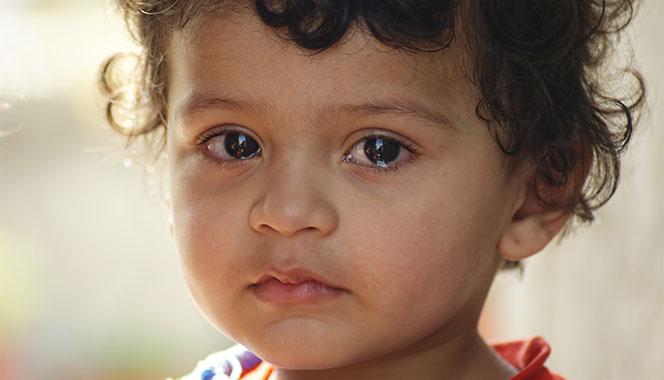
As a parent, you are always concerned about the physical aspects of your child's health; a little sneeze or an itchy rash is good enough to drive you edgy and force you to press the panic button. But, have you ever had a similar reaction to an outburst of anger or an episode of reclusive behavior? Probably not. Most parents don't consider such displays of emotions as a sign of ill health. While a physical ailment easily gets our attention, a mental health scare often goes unnoticed. But, good health is not just about being physically fine, it is also about being mentally sound.
What is mental health?
Good health is something that is determined by a factor called wellness rather than a disease-free body. The McKinley Health Center, University of Illinois, defines wellness as a state of optimal well-being that is oriented towards maximizing an individual's potential. This is a life-long process of moving towards enhancing your physical, intellectual, emotional, social, spiritual, and environmental well-being.'
This element of wellness is what mental health is all about. Generally, we associate mental health with mental illnesses and disorders. But, we need to realize that mental health means a lot more than merely being free of such conditions.
The importance of children's mental health, Dr Nithya Poornima, assistant professor of clinical psychology at NIMHANS, Bengaluru, who works with children and adolescents, says, "The mind and the body are only artificially divided for our convenience. The mind-body relationship is constantly reflected in our states of health and illness. Therefore, children's mental and physical health are closely related; in fact, they are two sides of the same coin."
Adding to this thought is Dr Karthik Lakshmanan R M, a counseling psychologist from Chennai says, "The mental health of your children is about being strong enough to overcome the challenges and difficulties they face, having self-confidence and self-esteem, being able to take decisions and believing in themselves. Mentally healthy children often have a positive approach towards life and get along well at home, school, and community."
Factors impacting a child's mental health
Children's mental health is largely influenced by the way parents deal with them. In most cases, parenting styles play a major role in either improving or spoiling the mental health of children. Gayathri Ramasubramanian, a mother of two grown-up boys from Chennai, says, "Today's parents are extremely open and friendly with their children. But, at the same time, I feel most of them pamper their children too much and try to please them by providing whatever they ask for. This adversely affects the children by creating an attitude of 'I get what I want'. When they are forced to face the realities of the outside world, these children, who are already too sensitive, easily get affected mentally."
With its highly digitalized and materialistic lifestyle, the modern-day scenario poses many threats to the mental health of children. Dr Vishal Baldua, Paediatrician at SRV Hospital, Mumbai, says, "Most of today's parents set unrealistic goals for their children in terms of performance - both academic and extra-curricular. This ends up putting a lot of pressure on the children. Children don't find an outlet to vent out their frustration and end up being aggressive."
Many other factors play a huge role in affecting the mental health of children:
- Physical complications and challenges
- Extreme temperament (overly shy or aggressive)
- Low levels of self-esteem and self-confidence
- Inadequate comprehension powers and intelligence
- Poor bonding with parents and other family members
- Broken family relationships/separated parents
- Harsh or extremely disciplinary parents
- Parents with mental illness or having problems with substance abuse
- Seriously ill or disabled siblings or family members
- Bullying, peer rejection, and discrimination
- Failure in academics and other activities
- Death of a family member
- Emotional trauma and stress
- Experience of physical or sexual abuse
- Isolation and separation anxiety
- Socio-economic disadvantages
- Inability to take decisions individually
Identifying children with poor mental health
Mental health affects children's cognitive development, which defines their ability to think and understand. According to psychologists, almost 30% of children have poor mental health. Unfortunately, most of these cases go unnoticed. Call it lack of awareness or fear of acceptance, parents always turn a blind eye to this.
"On an average, there are just about 2 to 5 cases out of 100 that come to us. What we see now is just the tip of the iceberg. It is sad to see that most of the parents never realize the potential threat of this problem," says Dr Vishal Baldua
Ashwin Sharma, a class 10 student from Coimbatore often feels depressed when things don't go his way. "I just feel like thrashing everything in front of me when I don't feel comfortable with something. Sometimes, I show my anger towards my parents and even friends. When I sit back later and think about it, I feel sorry for my actions but I just can't control myself," he says.
This brings us to the question of how one can identify mental health issues in a child. Here are some symptoms to look out for.
- Constant and severe mood swings
- Out-of-control behavioral changes
- Frequent fights with siblings/friends/family members
- Intense fear and anxiety
- Trouble in focus and concentration
- A sudden dip in academic performance
- Loss of interest in hobbies and extra-curricular activities
- Acute loss of weight and appetite
- Constant headaches and body aches
- A tendency to injure oneself
- Suicidal thoughts
- Alcohol or drug abuse
- Developing negative thoughts and feeling guilty
- Feeling lonely and reclusive
- Sleep disorders and frequent nightmares
- Feeling tired and lazy
- Developing nervous habits like biting the nails, sucking the thumbs and tugging at the hair
The mind and the body are only artificially divided for our convenience. The mind-body relationship is constantly reflected in our states of health and illness. Therefore, children's mental and physical health are closely related; in fact, they are two sides of the same coin - Dr Nithya Poornima
Getting mental health back on track
Even before we get into understanding the concept of restoration of sound mental health, it is important to know how well parents understand the impact of mental health.
"Although many parents from different walks of life are aware of the importance of their children's mental health, there is not enough support for conscious parenting. For parents to contribute to their children's positive mental health, it is essential that they understand their children as individuals with certain strengths and needs. Often, interactions with their children will tell them what skills they need to develop." says Dr Nithya Poornima
If a child's mental health is affected, parents should not hesitate to seek the help of a counselor or psychologist. Parents should be able to spot the early symptoms, without waiting for things to get worse. Dr Karthik believes that parents should be able to talk to their children about any kind of psychological discomfort they (children) might have. "With the joint family concept giving way to nuclear families in our society, parents are the only solace to children, when they feel mentally affected. But, with parents being busy with their work, there's sometimes a need to reach out to counselors for help. We have happily adopted the western lifestyle. Why not follow their practice of taking the children to counselors too?" he asks.
Some of the ways parents can help a child maintain sound mental health are:
- Increasing family time - like dining together and chatting around more often
- Encouraging strong relationships with friends
- Promoting self-esteem
- Offering unconditional love and support
- Showing interest in the child's activities and hobbies
- Encouraging conversations and listening to what the child says
- Creating a positive home environment
- Limiting the usage of gadgets like mobile phones, tablets, television, etc.
- Avoiding discussions of family problems in front of the child
- Providing time for lots of physical activities
- Encouraging relaxation, yoga and meditation to overcome stress
- Ensuring a healthy diet and sleep routine
- Getting rid of fear and anxiety
Stressing on the need for open communication, Dr Vishal Baldua states, "Parents should openly talk to their children about the various things that bother them. They should also have constant interactions with the teachers who monitor the children most of the time. This kind of seamless communication will help them nip their children's mental worries in the bud." Good health is determined by a factor called wellness rather than a disease-free body.
Caring for the body, mind and soul
"In a nutshell, the child's temperament (innate nature), parental mental health, quality of interactions with parents and other caregivers, and the emotional climate of the school and neighborhood are all factors that influence a child's mental health," sums up Dr Nithya Poornima. As parents, it becomes our responsibility to make sure that these factors are taken care of.
The secret to good health in children lies in connecting the body, mind and soul to have a positive energy flow. These three components form the vital links of their life and promote the overall state of wellness and health.
It's time we understood that mental wellness is essential for the wholesome and healthy life of our children. Let us ensure that our children are in perfect mental health and face the challenges that life throws. After all, a healthy mind makes a healthy body.
Did you know?
|
Behavioral milestones of children
A child's mental health is hugely influenced by the development of his or her social and emotional skills. As children grow and mature, they attain certain milestones at different stages. Parents need to keep a track of these developments to make sure that their children are acquiring the right social and emotional skills for their age. Here's a chart that helps you know what these milestones are:
Infants and babies
2 Months
- Smiling and looking directly at you.
- Crying to get needs met.
- Sucking on hands and fingers to self-soothe.
4 Months
- Smiling and playing spontaneously.
- Crying when you stop playing with them.
- Engaging with you by imitating the faces you make.
6 Months
- Knowing familiar people and those who are strangers.
- Responding to your emotions by smiling, laughing or crying.
- Enjoying looking at themselves in the mirror.
9 Months
- Starting to show anxiety towards strangers.
- Preferring some toys over others.
- Crying when familiar faces aren't around.
12 to 17 Months
- Playing favorites with familiar people.
- Becoming more interactive by handing over things to you or making a specific sound to draw your attention.
- Enjoying simple interactive games like 'peekaboo'.
Toddlers and preschoolers
18 Month to 3 Year
- Becoming more defiant and having more temper tantrums.
- Trying to imitate what adults and other children are doing.
- Wanting to be around with other children, but preferring to play alongside them (parallel play) rather than to play with them (co-operative play).
3 to 4 Years
- Beginning to show a wider range of emotions.
- Becoming more kind and caring towards peers.
- Preferring to play with other children more and to spend less time with you.
Primary schoolers
5 to 6 Years
- Growing sense of gender and preferring to play with same-sex friends.
- Becoming more conversational and independent and enjoying playing with peers.
- Beginning to understand feelings like embarrassment and anger.
7 to 8 Years
- Becoming more aware of the perceptions of others.
- Complaining about the reactions of friends and other kids.
- Being unable to follow your instructions, although not intentionally.
- Getting upset and resorting to aggression with failure to express feelings through words.
9 to 10 Years
- Beginning to narrow the close friend's circle to share jokes and secrets with.
- Withdrawing from family activities and developing an identity of their own.
- Trying to be affectionate and lovable despite being rude, selfish and arrogant.
Secondary schoolers and high schoolers
11 to 15 Years
- Beginning to think more logically.
- Getting moody very often and preferring privacy.
- Valuing opinions of friends more than that of elders.
- Trying out new ideas in clothing styles and mannerisms to create an individual identity.
16 to 18 Years
- Striving to be more independent and starting to emotionally distance themselves from parents.
- Trying to discover personal strengths and weaknesses and thereby becoming impulsive and moody.
- Feeling a lot of pride in personal successes.
- Showing interest in hanging out with friends often.
























Comments
when was this published
Edit
Comment Flag
Cancel Update