
5 Clear Signs Of Good Mental Health In Children And How Parents Can Support Them
Mina Dilip
Wondering how to support your child's mental health? Learn five positive signs of emotional well-being and simple ways to nurture them

As parents, we often hear about the warning signs of poor mental health in children, but it’s equally important to recognize the positive indicators of emotional well-being. Knowing what healthy emotional development looks like can help you support your child better and seek help when needed.
Good mental health does not mean that a child is happy all the time or never feels angry, anxious, sad, or frustrated. Experiencing difficult emotions is part of growing up. What's important is whether they are gradually developing the skills to:
- Understand and manage their emotions
- Cope with everyday challenges
- Build relationships
- Seek support when it's needed
Emotional regulation, coping, problem-solving, and interpersonal skills are all important aspects of positive mental health. (World Health Organization)
5 signs of good mental health in children
1. They can enjoy play, laughter, and positive experiences
If your child often laughs, dances, plays, and enjoys things they like, these can be encouraging signs of emotional well-being. A healthy sense of humour can also help children see the lighter side of everyday situations and cope with life's ups and downs.
However, humour is not simply about making others laugh. Poking fun at others or laughing at someone else's expense is not a healthy way to connect. Similarly, consistent self-deprecating humour may indicate that a child is struggling with how they see themselves.
Rather than judging a child's mental health by how funny or cheerful they are, notice whether they can experience and enjoy positive emotions along with more difficult ones.
2. They are learning to cope with frustration and wait when needed
If your child is gradually learning to tolerate uncertainty, cope with disappointment, solve problems instead of letting issues fester, and wait when necessary, they are developing important emotional skills.
Children do not learn patience overnight. They may demand immediate gratification, become frustrated or have difficulty waiting, especially when they are tired, hungry, or overwhelmed. These behaviours are a normal part of development and do not, by themselves, indicate poor mental health.
As parents, we can help children develop these skills by acknowledging their feelings and giving them opportunities to practise waiting, problem-solving, and coping with disappointment.
3. They can build and maintain healthy relationships
Interpersonal skills involve a wide array of people skills, such as:
- Starting and sustaining a conversation.
- Listening to others and taking turns.
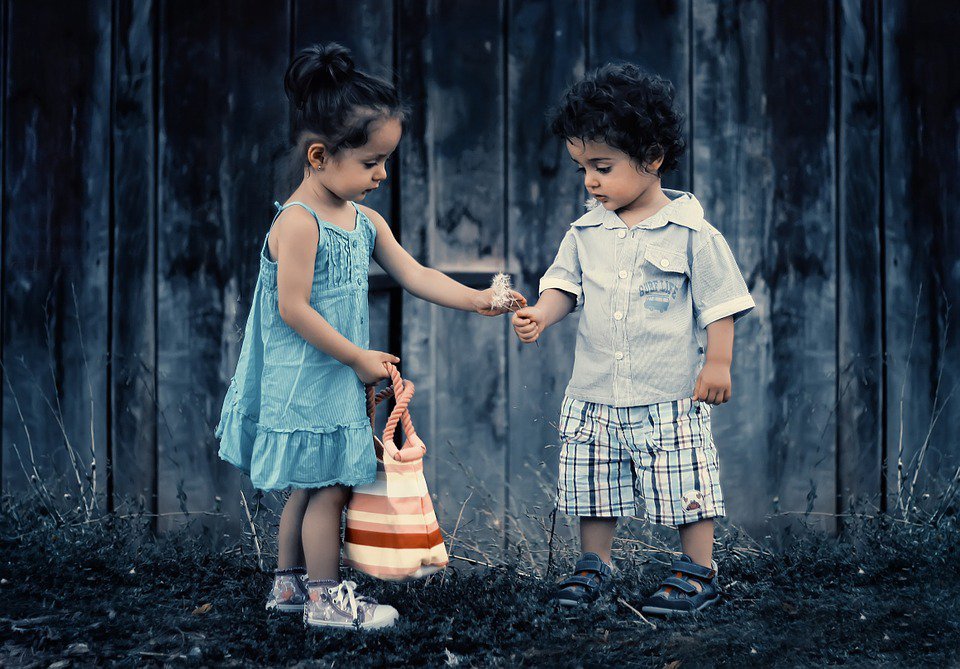
- Connecting with others meaningfully and empathising with their feelings.
- Being inclusive and respectful of people with different abilities, experiences or backgrounds.
- Managing disagreements and, with support, repairing relationships.
If you are helping your child build these interpersonal skills, you are supporting an important part of their social and emotional well-being.
At the same time, remember that children have different temperaments. A child who is quiet or prefers a small circle of friends is not necessarily less emotionally healthy than a highly sociable child.
4. They can enjoy both connection and quiet time
Notice if your child can:
- Be alone and enjoy quiet time without feeling distressed.
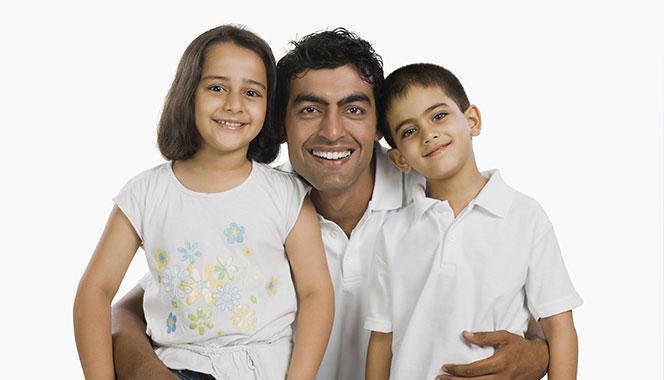
- Connect with family members, friends or others they feel comfortable with.
- Balance socialising with time to rest and recharge.
Some children naturally enjoy being around people, while others need more quiet time. Both can be perfectly healthy.
What matters is that your child has opportunities for meaningful connection and is comfortable with their preferred level of social interaction.
However, if your child suddenly begins withdrawing from people or activities they previously enjoyed, particularly if this persists or causes distress, you must pay attention and talk to them.
5. They are gradually learning to understand and manage emotions
Emotional regulation does not mean that a child stays calm all the time. It means that, over time, they are developing the ability to understand their emotions, express them appropriately and find ways to cope with difficult feelings.
Ask yourself:
- Does my child recognise and acknowledge their emotions?
- Can they describe, in an age-appropriate way, what they are feeling?
- Are they beginning to notice how emotions show up in their body?
- Can they express their emotions without consistently hurting themselves or others?
- Can they seek help or comfort when they need it?
If your child is gradually developing these skills, you are laying a strong foundation for emotional well-being. Emotional regulation and social-emotional skills are recognised as important areas for promoting children's mental health. (World Health Organization)
However, a child who sometimes says, “I am fine,” becomes quiet, or struggles to express emotions is not necessarily suppressing their feelings. Children may need time, privacy, or a different way of communicating. Instead of repeatedly asking what is wrong, create regular, relaxed opportunities for conversation and let your child know that you are available when they are ready to talk.
While these positive signs can be reassuring, parents must also pay attention to significant or persistent changes in their child's behaviour or emotional well-being.
Warning signs parents should not ignore
While this article focuses on positive indicators of mental health, it helps to know some warning signs that may need attention. Look out for:
- Significant or persistent changes in your child's behaviour or personality
- Self-harm
- Social withdrawal
- Reckless or self-destructive behaviour
- Statements suggesting that they do not want to live or want to hurt themselves.
If you notice any of these concerns, particularly self-harm or thoughts of suicide, seek professional help promptly. If your child is at immediate risk of harming themselves, seek emergency medical help.
Remember, one difficult day or one change in behaviour does not necessarily indicate a mental health problem. It is important to consider the persistence, intensity, and impact on your child's everyday life.
Simple ways parents can support their child's emotional well-being
Here are some simple activities that you can use to promote the mental health and well-being of your child:
Positives checklist
Family members sit together and share positive qualities they notice in each other. This can help children recognise strengths in themselves and others.
Friendly description
Encourage your child to write down traits they believe a friend would admire in them. You can also ask, “What do you think your best friend likes about you?”
Let's help heal the world
Volunteer as a family, help a neighbour, participate in a community activity or do something kind for someone else. These shared experiences can give children opportunities to practise empathy, kindness and connection.
Remember: good mental health is not a checklist
No child will show all these qualities all the time. Children have difficult days. They lose their temper, become impatient, feel anxious, want to be alone, and struggle with their emotions.
Good mental health is not about being happy or well-adjusted every day. It is about having supportive relationships and gradually developing the emotional and social skills needed to cope with everyday challenges. A safe, nurturing family environment can play an important role in supporting these skills. (UNICEF)
Parent checklist: Supporting your child's mental well-being
- Notice how your child handles everyday frustration, disappointment, and change.
- Allow both positive and difficult emotions.
- Listen without immediately judging, fixing, or dismissing.
- Encourage meaningful friendships and family connections.
- Respect your child's temperament and need for quiet time.
- Help your child name emotions and practise healthy ways to cope.
- Pay attention to significant or persistent changes in behaviour.
- Seek professional support when concerns interfere with your child's daily life or well-being.
FAQs
1. What does good mental health look like in a child?
Good mental health does not mean a child is happy all the time. It includes developing age-appropriate emotional, social, and coping skills; supportive relationships; and asking for help when needed.
2. Can a child have good mental health and still have emotional outbursts?
Yes. Children can experience anger, sadness, anxiety, and frustration even when they are emotionally healthy. What matters is their overall pattern of functioning and their developing ability to express and manage emotions.
3. Is being introverted a sign of poor mental health?
No. Some children naturally prefer quiet time or smaller social groups. Be concerned when withdrawal is persistent, represents a significant change, causes distress, or interferes with everyday life.
4. When should parents seek professional help for a child's mental health?
Parents should consider professional support when emotional or behavioural changes persist, cause significant distress, affect school or relationships, or raise concerns about safety, self-harm, or suicidal thoughts.
If you notice persistent changes in your child's behaviour, significant emotional distress, difficulties affecting school or relationships, self-harm, or concerns about suicidal thoughts or behaviour, please seek professional help.
Mina Dilip is a counselling psychologist in Chennai. Drawing on her experience working with children and families, she shares practical ways parents can recognise their children's strengths and gently support areas that need improvement.
Need more information? Trusted resources:
- UNICEF India – Mental health and well-being
- WHO – Mental health of adolescents — evidence-based information on emotional and social well-being.
- NIMHANS — professional mental-health care and child/adolescent mental-health services.
Last updated on: August 27, 2026
The Dot literacy and phonics program enables young children to apply their knowledge of letter-sound patterns to build their reading and spelling skills. It also offers a set of decodable readers that encourages pre-primary children to apply their decoding skills as they learn to read.

























Comments
Edit
Comment Flag
Cancel Update