
Why Children Steal And Why It's Not Always Kleptomania: What Parents Need To Know
Dr Manjiri Deshpande
author parentcircle author parentcircle author parentcircle author parentcircle author parentcircle author parentcircle
Has your child started taking things that do not belong to them? Learn why children steal, when it may signal a deeper concern, and how parents can respond with understanding, guidance, and appropriate support
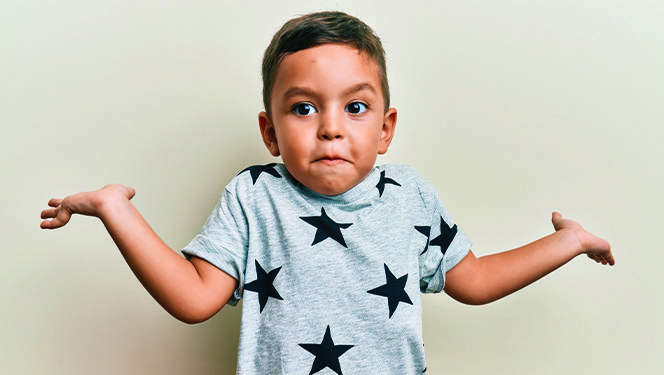
Of late, your little one has been coming back from school with stationery that doesn't belong to them. When you ask where it came from, they give a vague answer or insist that a friend gave it to them. It leaves you feeling worried, embarrassed, and unsure of what to do.
Taking things that do not belong to them is common in children as they are still learning important concepts such as ownership, honesty, empathy, and self-control. Sometimes, they take an object simply because they like it, are curious about it, or do not fully understand why it is wrong.
A child may steal repeatedly for a variety of reasons, such as curiosity, impulsivity, emotional difficulties, or inability to understand boundaries and ownership. In some cases, a professional assessment may be needed to understand the underlying cause.
How adults respond to a child's behavior can either build or destroy their self-esteem and self-worth. So let's try to understand why children take things and how to respond calmly and effectively to prevent the behaviour from becoming a habit.
Why do children take things that don't belong to them?
Children may take things for many reasons:
- Do not fully understand the concept of ownership
- Act impulsively and take something simply because they like it
- Want an object they cannot have
- Attention seeking
- Peer Influence
- Don’t understand how much it can upset others
When should parents be concerned?
Parents must pay attention to the behavior when:
- It occurs repeatedly
- It continues despite the child knowing it is wrong
- The child lies frequently about their behaviour
- The child does not show regret
- The child finds it difficult to control
- It causes problems at school, at home, or with friends
When could it be Kleptomania?
Possible signs of Kleptomania
- The child feels both nervous and excited before stealing.
- The child experiences relief or pleasure after taking the object.
- The child often steals alone rather than with friends.
- The stolen items are frequently hoarded rather than used.
- The child appears unable to control the urge despite knowing the act is wrong.
It is important to remember that only a qualified mental health professional can diagnose kleptomania. Most children who occasionally take things do not have this disorder.
How to respond when your child takes something
Avoid harsh punishment
First, take a moment to calm yourself before responding. This will help you avoid reacting with punishment, shame, or labels such as 'thief,' which can damage your child's self-esteem.
Next, help your child understand why the behaviour is wrong. Ask questions such as, "How would you feel if someone took something that is yours?" Empathy helps your child understand how their behavior affects others.
Encourage your child to make amends
Encourage your child to apologize and return things they have taken from others without their permission or without paying for them.
For example, if your child has taken a classmate's eraser, rehearse how to return it and apologise. Discuss how to replace a lost or damaged item. Your child will learn to be responsible and answerable for their actions.
Focus on learning, not punishment
Try to understand what motivated your child’s behavior. Ask: “What did you feel when you saw the pencil? What do you like about it?” Such non-threatening questions are easier to answer and encourage conversation, discussion, and problem-solving– how to make better choices and act honestly.
Teaching honesty and responsibility
Inculcating good habits in your child is an ongoing process. Children learn by observing their parents and from their parents' reactions to behaviour. The way parents interact with each other at home greatly influences their child.
Some ways to encourage honesty include:
- Model truthful behaviour in everyday life.
- Discuss honesty and trust openly.
- Praise your child when they tell the truth, especially in difficult situations.
- Set clear expectations about respecting other people's belongings.
- Address inappropriate behaviour promptly and calmly.
- Encourage empathy and consideration for others.
Most importantly, remember that mistakes are learning opportunities.
When to seek professional help
Consult a mental health professional if:
- The behaviour persists and escalates.
- Your child shows no regret after stealing.
- The stealing occurs alongside other behavioural or emotional concerns.
- Your child is unable to control the urge to take things.
- The behaviour is affecting relationships, school performance, or family life.
In a nutshell
- Occasional stealing is relatively common in childhood.
- Most children who take things do not have kleptomania.
- Kleptomania is a rare mental health condition that requires professional diagnosis.
- Calm guidance and teaching responsibility are more effective than punishment.
- Persistent or concerning behaviour should be discussed with a mental health professional.
Early support can help identify underlying issues and provide effective strategies for both parents and children.
Children need patience, consistent guidance, and sometimes, professional support to learn from their mistakes and develop honesty, responsibility, and respect for others' belongings.
Dr Manjiri Deshpande Shenoy is a Pediatric Psychiatrist who heads Indlas Child Guidance Clinic in Mumbai.
Last updated on: June 03, 2026

























Comments
Edit
Comment Flag
Cancel Update