
7 Helpful Ways Parents Can Support Their Child In Making And Keeping Friends
Anitha Bennett
author parentcircle author parentcircle author parentcircle author parentcircle author parentcircle author parentcircle author parentcircle author parentcircle
Making friends is a key part of childhood, but not always easy. These seven practical tips will help you guide your child in building confidence, starting conversations, and forming meaningful, lasting friendships.
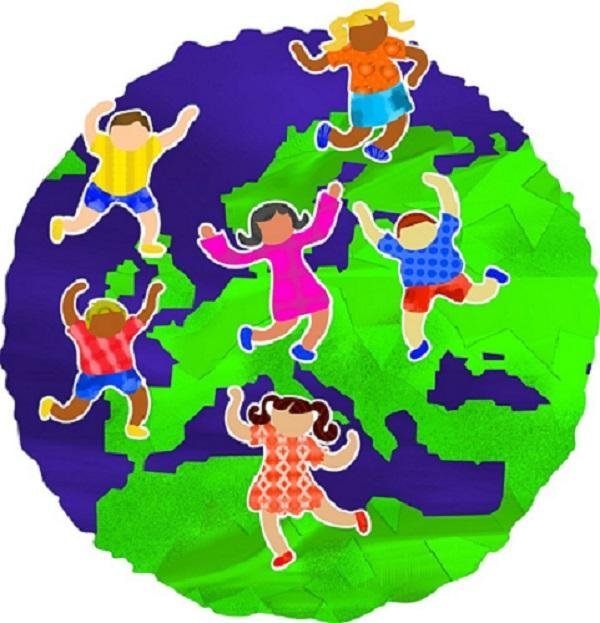
'It takes a friend to make a friend.'
Friends have a strong influence on children—they shape how children think, behave, and relate to others. An article by Graeme Paton in The Telegraph quotes Judith Rich Harris, an American Psychologist, in this regard. "Though relationships with parents greatly affect the day-to-day happiness of children, just as marital relationships greatly affect the day-to-day happiness of adults, neither leaves deep marks on the personality. In the long run, it is what happens to them outside the parental home that makes children turn out the way they do."
So, your child must start forming friendships from a very young age. But developing and sustaining friendships requires social and emotional skills. And children can be taught these skills.
Here are seven tips that will help you teach your child how to make friends.
Inculcate social skills early on
Teach your child to say 'hello' when they meet someone, to smile, and to use their native greeting gesture. Model the same for your child to follow. An easy way of helping your child build social skills is to take them along to social gatherings. Get-togethers will give your child an opportunity to get used to meeting new people and striking up a conversation with them.
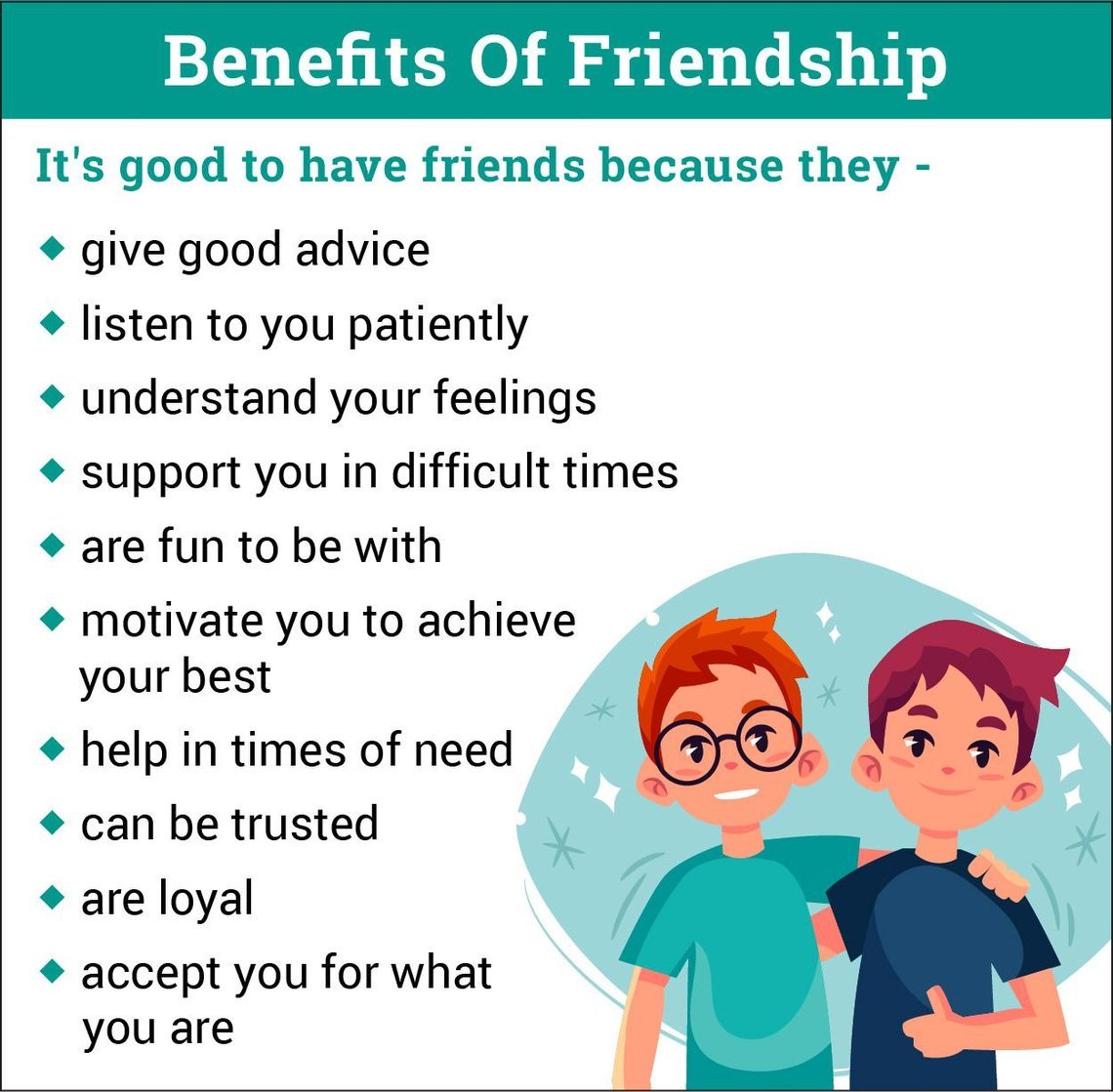
Help your child understand the concept of friendship
Let your child watch you interact with your friends. Also, read stories about friendship to your child. Ask your child questions about their friends. Watch movies with them that highlight the concept of friendship. Have your friends over and let your child watch your social skills in action! Remember to speak well of your friends in front of your child, even when they are not around. After all, children watch and learn!
Get to know the family
An easy way to help your child form friendships is to get to know their friends' families. You can also invite your child's friends for a play date or a meal, along with their parents. The more face time your child has with their special friend, the more chances of developing a deeper friendship. What's more, you will also enjoy the adult interaction, and everyone will have a good time.
Encourage play dates
If your child has special interests, coordinate a play date with children who share the same interests. Invite mothers and make it a potluck of sorts. Or gather children together for a theme-based afternoon. For example, a session on arts and crafts or cookie-baking and decorating will bring children together as well as ensure loads of fun, with something to take back home.
Let your child practice friendship as a life skill
After your child comes back from school, ask them about what transpired between them and their friends. If they bring in 'friend troubles,' empathize with them and help them understand the situation. Teach your child to remember little things like their friend's birthday and help them make small tokens of affection like greeting cards or hand-made gifts.
Help them understand boundaries
From an early age, teach your child what's acceptable and what's not in friendship. Let them know that they can always seek advice from an adult when in doubt. For example, if your child finds that their friend is engaging in something harmful, tell them to boldly speak up and stop their friend or ask an adult for help. These little lessons go a long way in training your child to be a responsible friend.
Make way for sharing
Whenever possible, provide opportunities for your child to give and share. When you pack your child's lunchbox, pack a little extra to share with their friends. Teach your child to share their school supplies, like stationery or crayons, with a friend who didn't bring any. When your child's friend wins, help your child share their happiness, congratulate them, and feel happy about their win.
We are all social creatures by nature. Making the right connections with people makes us feel loved, happy, and secure. As parents, we must make our children see the beauty of friendship and help them nurture the same.




















Comments
Edit
Comment Flag
Cancel Update