
How To Help Your Child Make Friends And Build Friendship Skills In Early Childhood
Arun Sharma
Friendships are one of the sweetest parts of childhood. Wouldn't you want our little one to feel included, happy, and confident when playing with others? Help your child learn how to make friends early on, and give them social skills that last a lifetime.
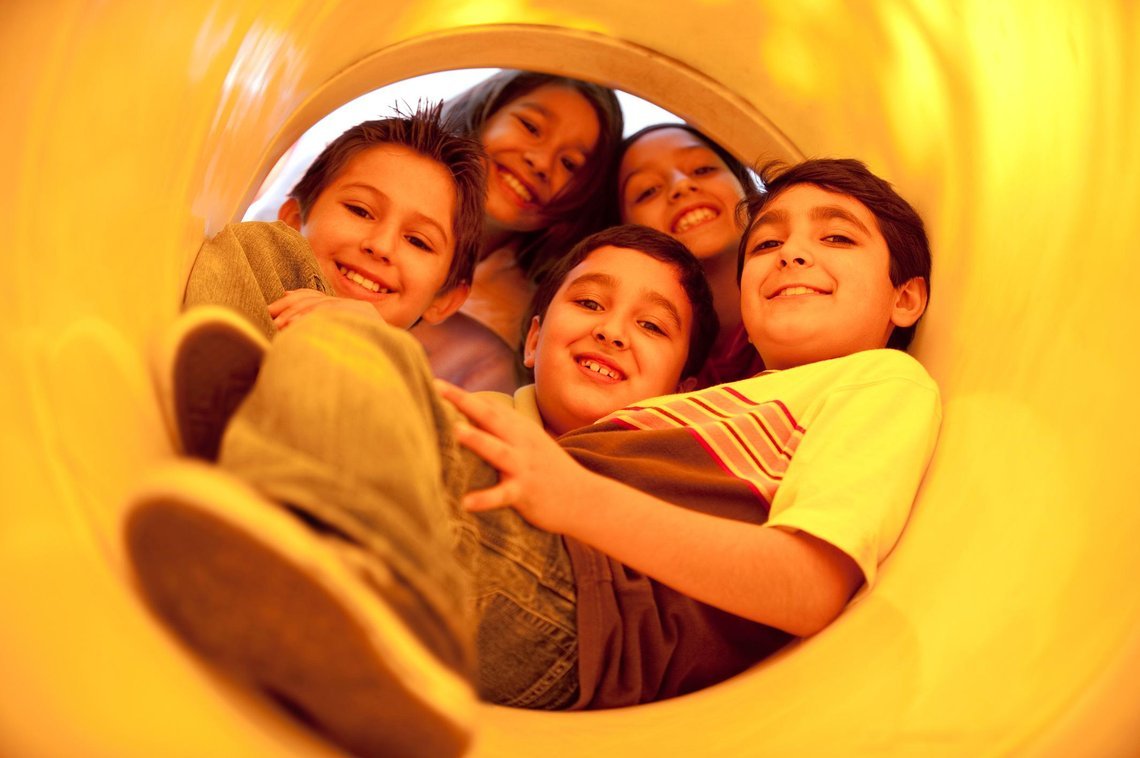
Why early friendships matter
Julia Cook, author of the book Making Friends Is an ART! says, "Friendships are very important when it comes to emotional health."Most children make friends easily, but it's a struggle for some, and they need guidance and encouragement. Unfamiliar situations, like going to a new school, can sometimes make your child feel uncomfortable. Sometimes your child may see themself as different from others and feel anxious and hesitant to approach other children.
If your child is struggling to make friends, here are some things you can do to help them connect with their peers.
Create opportunities for social play
Take your child out to public places
Accompany your child to places where they can be among people, like a park, a playground, or an activity class. The exposure to social groups will help them observe and practice social behavior. Start with small group interactions so they don't feel overwhelmed.
Teaching your child how to start friendships
Show them how to start a conversation
In their study, 'Parent-specific reciprocity from infancy to adolescence shapes children's social competence and dialogical skills,' Ruth Feldman and colleagues made an important observation. They found that children whose parents responded to their communication developed better social competence and negotiation skills over time. So, talk with and listen to your child as often as you can. They will learn how to engage in conversation.
You can start a conversation about their likes and dislikes. If your child likes a particular activity, like music or sport, encourage them to mingle with children who have similar interests. This will make it easier for them to start a conversation, and they will gradually learn how to give others a chance to talk, listen actively to what is said, and respond with a question or an answer.
Show them how to read facial expressions
Although understanding facial expressions comes naturally to most of us, some children are unable to do so. Children unable to identify facial expressions often get into trouble with their peers. You can use flashcards of different facial expressions to teach your child how to understand them. Some of the expressions you must include are happy, angry, sad, afraid, confused, and surprised.
Organize playdates
To start with, you can call over one or two children for a few hours to play group games with your child. Get the children to say hello and shake hands with each other, and remind them that they are there to play together. During the first few play dates, you can supervise the play to reassure your child and guide them.
Be an example
You can set an example for your child by meeting people warmly and with a smile.
With a little support, your child can develop the social skills necessary to make friends. But don't have unrealistic expectations and don't compare your child with other children.
Last updated on: November 14, 2025




























Comments
Edit
Comment Flag
Cancel Update