
Your Words Matter: 7 Things You Should Never Say To Your Kids And Why
Arun Sharma
With the best intentions at heart, parents offer plenty of advice—but not all of it hits the mark. Curious to know what to avoid? Read on
Out of love and a genuine desire to help, parents often feel compelled to advise their children. But in doing so, they may say things that are more harmful than helpful.
Here's a list of things parents must never tell their children:
1. Playing is a waste of time: Once children start going to school, parents are tempted to curtail their playtime. And, as the children progress to higher classes, parents feel that instead of wasting their time playing games, they should focus on their academics. However, this just adds to their stress, and they eventually buckle under pressure.
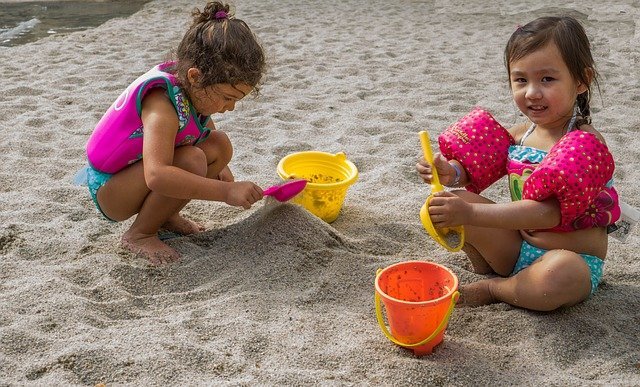
Instead, when parents allow their children enough time to play and help them work out a healthy balance of both work and play, children feel supported and motivated to succeed. Play helps children build social and emotional skills, expands their creative abilities, and is a healthy outlet for nervous energy.
2. Don't be afraid to tell the world what you feel: When parents tell their children to speak what's on their mind, they also imply that people will listen to what they say, with rapt attention. But not everyone is a willing listener. The sooner children understand this, the better they will learn to evaluate a situation and respond with respect and understanding.
Instead, have practice sessions with your child at home. Role-play various scenarios where your child learns to read facial expressions and body language, respond with empathy and respect, and express themselves with confidence.
3. Just focus on your future: Repeatedly telling children to do everything with an eye on the future takes away the fun of growing up. Children who are expected to constantly get good grades or cultivate winning habits tend to become anxious and suffer from high levels of stress.
Instead, parents can motivate them to work towards short-term goals. Small successes will motivate children to work hard, besides improving their self-esteem and self-confidence.
4. Look at her. Why can't you be like her? No two children are alike. Parents understand this fact very well, yet they compare their children with their peers. Although the intention is to encourage and motivate their child, it does exactly the opposite. Comparing children with others demotivates them and hurts their self-esteem.
Instead, parents must focus on their child's unique abilities and provide opportunities where they work hard and prove themself.
"Parents must be clear about the message they are conveying to their children in the form of advice, as the message will stay with them throughout life.
Dr. Vasuki Mathivanan, Counselling Psychologist, Chennai
5. Keep yourself busy. Don't remain idle: To ensure their children stay ahead of others, many parents keep their children ever-busy learning as much as possible. As a result, children's schedules are crammed with different activities and classes, leaving them with little time to unwind and enjoy free time.
Instead, give children the time to take a walk in the park, play freely with peers, read a book, or just lie down and daydream. Me-time helps children de-stress and prepare for the next task at hand.
6. You must always win: With shrinking resources and increasing competition, parents often push their children to win in everything they take part in. Life is not always about winning.
Instead, along with fostering the winning attitude in your child, help them learn to accept defeat gracefully by acknowledging their disappointment and letting them talk about it and what it means to them. Encourage them to think of ways to improve.
7. Make friends only with studious children: Some parents are ever watchful of how their children's friends are faring in their studies. These parents disapprove of friends who are not doing well in their studies. They prefer that their friends are only the high achievers.
Instead, appreciate all the friendships they are building and ask what they admire in them. When parents encourage their child to support a friend, they are instilling important family values like acceptance and helpfulness.
So, before giving children a piece of advice, pause and think about the message you want to give and the impact the message will have on them.



























Comments
Edit
Comment Flag
Cancel Update