
How Overprotective Parenting Impacts A Child’s Cognitive And Social Emotional Development
Amrita Gracias
Wanting to protect your child is natural, but too much protection can hold them back. This article explains how overprotective parenting affects children’s thinking skills, confidence, independence, and emotional growth, and how parents can find a healthier balance
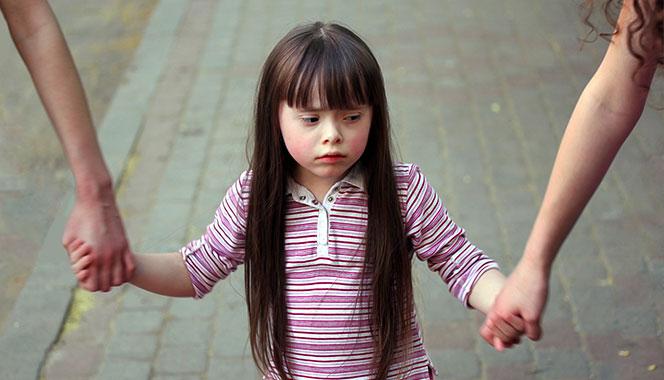
As parents, we always want the best for our children. We want them to be happy and sheltered from the harsh realities of the world. However, in this endeavor, some of us go overboard and overprotect our children, which is, in fact, more harmful than good for them. The adverse effects of our overbearing parenting style carry on not just into their adolescence but also into adulthood.
When protection turns into overprotection
Parents, in general, have a lot of concern for the safety and welfare of their children. Agreed that most parents have faith in their child's ability to cope with age-appropriate challenges.
Why some parents become overprotective
However, some parents are unduly concerned and feel that it is entirely their responsibility to protect their child from all the dangers, challenges, hardships, and disappointments that life may throw up at times. Such parents are overprotective and constantly monitor and control their child's life. In fact, there is even a moniker for moms who tend to be overbearing, helicopter moms. Overprotective mother syndrome is another term that depicts mothers who become hyper-anxious about their child's well-being.
Signs your child may be overprotected
- You do not give your child autonomy; keep them under tight control.
- You make your child dependent on you and others by doing everything for them.
- You're always fearful that something unpleasant may happen to your child, and you transfer these fears to the child.
- You hold on to the child well into their adulthood to satisfy their own emotional needs
- Your child is overly dependent on a parent
- They have low confidence and self-esteem
- They feel challenged by hardships or conflict
- They're unable to think independently or make decisions on their own
- They're reluctant to take up responsibility or own up to failure
How overprotective parenting affects children over time
Studies have shown that overprotection is more detrimental than beneficial to a child, unfavorably affecting their cognitive and socio-emotional skills.
Let us examine how an overprotective parenting style affects a child as they move into adolescence and then to adulthood.
Impact during the teenage years
Cognitive development
Limited independence
- A child begins to assert independence as they enter adolescence. During the teenage years, the brain undergoes several changes, and teens work towards establishing their identities.
- An overprotective parent does not allow their adolescent to become independent for fear of losing control over them. The parent continues to foster dependency and, in the process, keeps the child away from having any significant learning experiences.
Reduced problem-solving and reasoning skills
Keeping the teen confined within narrow boundaries affects their thinking and reasoning abilities, preventing them from developing into confident, responsible, and resourceful individuals.
Social and emotional development
Low self-esteem
The overprotected teenager has poor self-esteem and hence lacks confidence. They believe that they are incapable of being independent and standing up for themself.
Peer difficulties
- As a result, they become an easy target for bullies.
- Moreover, overprotective parents prevent their teens from bonding with friends, depriving them of crucial social development.
- This lack of healthy social life can lead them to seek gratification in their relationships with their parents, making them even more dependent on them.
Risk of rebellion or risky behaviours
- On the other hand, overprotected teens will rebel against parents, especially the restrictions imposed on them.
- Since teens long for independence, they begin to test boundaries and indulge in risky behaviors such as alcohol or drug abuse.
Impact during early adulthood
Cognitive development
Poor life skills
A young adult who is overprotected lacks a sense of responsibility and continues to remain dependent on parents.
Fear of decision-making
If they need to move away and live independently, they find it extremely hard to cope because they lack essential life skills like problem-solving, decision-making, and so on. Since they are used to being cared for by their parents, they feel like misfits among their more independent peers.
Low confidence in abilities
Low confidence suppresses thinking and prevents them from using their skills as they doubt their abilities. They also hold back from expressing themself or sharing their creativity, for fear of being judged.
Social and emotional development
Anxiety and stress
- They are easily frustrated and struggle to deal with challenges relating to academics, work, or relationships.
- As they continue to remain dependent, they're emotionally weak and find it hard to relate to their peers.
- Studies also show that overprotected individuals are at a greater risk of suffering from anxiety disorders in adulthood, as they are always stressed owing to their various fears.
Difficulty with relationships
In the sudden absence of their parents' protection, they are unsure how to face relationship challenges and hardships. Being sensitive, they avoid taking risks, fearing failure.
Impact during late adulthood
Cognitive development
Even in late adulthood, an overprotected individual:
- Avoids taking responsibility for their actions. They have grown up without having to take responsibility.
- May have to deal with career setbacks because they lack independent thinking, problem-solving, or decision-making skills.
- Is unable to accept constructive criticism and tends to interpret situations negatively.
- Lack the drive to move forward in their career due to their low confidence. A non-performer at work, they move from one job to another, unable to face the challenges of their work.
Social and emotional development
- Overprotection deprives them of emotional and social skills, such as emotional regulation, empathy, establishing relationships, and decision-making.
- Overdependence makes them seek out people to depend on. In a relationship, they are likely to remain passive and prefer to be dominated by their partner.
- They may even stay in an abusive relationship for fear of losing a person to depend on.
- As an overdependent individual, a parent could also turn out to be overprotective of their children or may grant them excessive freedom.
Parent reflection
Am I stepping in before my child tries?
Am I solving problems that they can solve themself?
Am I protecting my child, or am I protecting my own fears?
Finding the balance between safety and independence
Even though it is normal for parents to be concerned about their children, a fine line differentiates protection from overprotection. There is no harm in allowing children to learn from their mistakes and face life's challenges.
Last updated on: January 21, 2026
























Comments
Edit
Comment Flag
Cancel Update