
Signs Of Overscheduled Kids: How To Restore Balance And Harmony In Your Child’s Life
Arun Sharma
Is your child constantly rushing from one activity to the next? Learn the key signs of overscheduling in kids and discover practical tips to restore balance, reduce stress, and support healthy development

As soon as her son came back from school, Meera said, “Ravi freshen up quickly and have your snacks, we have to leave for the music class in 20 minutes. Also, don’t forget to pack everything that you need for your tennis practice later.”
As Ravi started gulping down the snacks, Meera impatiently looked at her watch. “Hurry up. We need to finish everything and come back in time for you to attend your tuition classes,” she said. While this is Ravi’s usual schedule, on weekends he also attends yoga sessions early in the morning, and swimming and martial arts classes later on.
Ravi’s busy schedule could even put a bee to shame! It leaves him with no time to spend with friends, pursue a hobby, watch TV, or enjoy some free time admiring the sunset or just counting the stars. His mother, Meera, too, is perpetually busy, as she has taken it upon herself to monitor Ravi’s progress and ensure that he sticks to the gruelling schedule.
What does it mean to be overscheduled?
Nowadays, parents are more willing than ever to go the extra mile to give their children the best education, build their skills, provide them with better facilities, and explore new opportunities for them.
But the problem begins when, in trying to do all this, parents overburden their children by cramming several activities into their schedule. In his article, ‘Too Much on Their Plates: Child Anxiety and Overscheduling,’ published on anxietyfreechild.com (2012), author Rich Presta says, “Overscheduled kids are more prone to irritability, tiredness and an inability to focus. Children with anxiety already struggle with feelings of fear and nervousness, and adding too many activities can make these symptoms much harder to deal with.”
Common signs your child may be doing too much
While some children may welcome the various opportunities that come their way, most struggle or fail to keep pace with a hectic routine. Here’s how you can figure out if you have overscheduled your child:
- Rushes from one class to the next of several classes.
- Takes naps and eats snacks while travelling from one class to the next.
- Attends multiple classes during school vacations
- Has no free time to enjoy normal childhood activities. For example, playing with toys or spending time with friends; in fact, they don’t even have the time to make friends!
- Is too tired and has no time for family meals and interaction with family members.
- Does homework and project work late into the night
How overscheduling affects kids emotionally and physically
As the adage goes, an excess of anything is bad. A child doing too many things at a time can be a recipe for disaster. Here are some of the dangers of overscheduling your child:
Signs of stress
For example, falling ill frequently, feigning illness, taking a longer time to recover from injuries, feeling irritated, moody, or anxious most of the time.
Falling grades
While children, by nature, are restive, it doesn’t mean that they have an unending reservoir of energy. Busy schedules sap a child's energy and interfere with focus, concentration, and effort.
Failing interests
When your child no longer enjoys doing things they once enjoyed, and they now seem like enforced chores to be completed.
Struggling with schedules
With too many things to do and the time set for every activity, your child finds it difficult to keep up with tight schedules. This can lead to frustration and disappointment, and a subsequent drop in productivity.
Feeling anxious and overwhelmed
Although well prepared for the exams or a performance, your child starts worrying, becomes nervous, and lacks self-confidence.
Simple ways to create more free time for your child
- Cut back on activities: Ask your child which activities they would like to cut back on. Instead of eliminating some of the activities, try to cut back their frequency. For example, instead of attending four music classes in a week, your child can attend one or two.
- Create free time: ensure your child has an hour of free time every day and a few hours during the weekends to indulge in hobbies, catch up with friends, or just laze around.
- Schedule classes around the daily routine: Before you set out to engage your child in anything, take a look at their daily schedule. This will help you understand how much time they can comfortably devote daily or weekly.
- Prioritise relationships: Childhood is a crucial phase of development and building strong family bonds. Make sure your child has the time to relax and bond with the family.
- Be choosy: There are a lot of products and skill sets that are marketed as being indispensable for a better childhood and a bright future. Before you fall prey to these advertisements, question their validity to understand if your child's life will be enriched or simply made more busy.
All children need some downtime every day, adequate sleep, and a relaxed schedule. Now that you know the hazards of overscheduling your child, introspect well to come up with a satisfying answer to the question, 'Why should my child be engaged in a particular activity?'
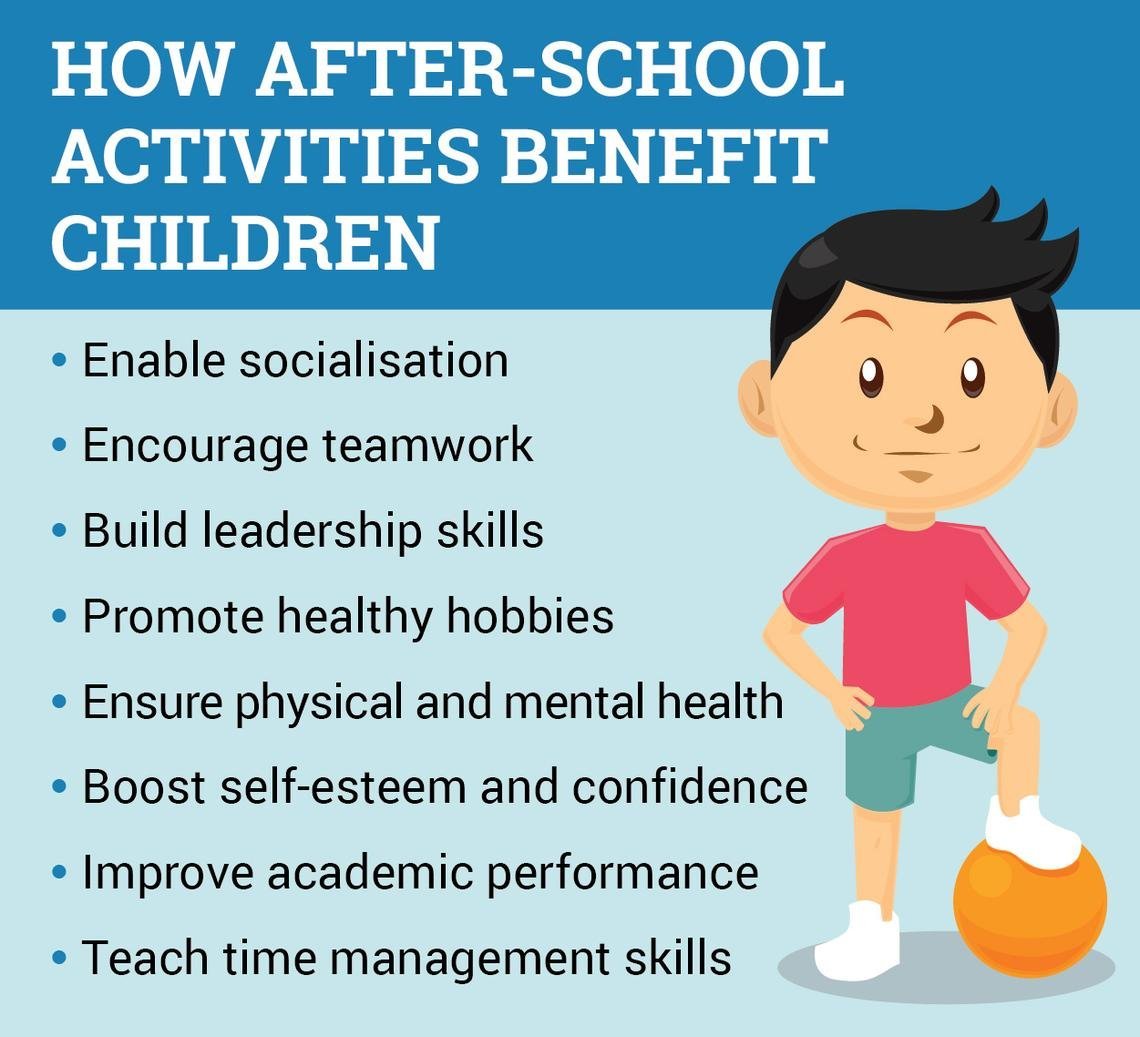
When your child's activities schedule is based on what's best for them, they stand to reap the following benefits:
Last updated on: October 24, 2025




























Comments
Edit
Comment Flag
Cancel Update