
Emotional Eating In Children: Signs Of Stress Eating And How Parents Can Help
Amrita Gracias
Does your child reach for food when they’re upset, bored, or anxious? Many children unknowingly use food to cope with stress. Learn how to stop emotional overeating in kids, what stress eating really looks like in children, what triggers it, and how you can support them with empathy, simple routines, and healthier emotional coping skills
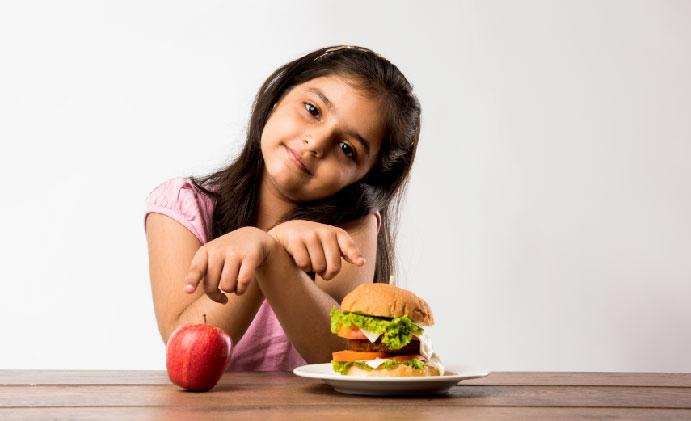
You probably know that, like adults, children also suffer from stress. But do you know what some children do when they are stressed? They indulge in the unhealthy habit of emotional eating, or stress-eating. While most of us eat food to nourish ourselves, some children do so to manage stress. Does this information surprise you? Read on to understand the habit of emotional eating.
Why do children feel stressed today?
It’s not unusual for children to feel stressed from time to time. In fact, children experience stress for many reasons.
Younger children may feel stressed because of:
- Changes at home or school
- Shift in routine
- Unstable home environment
- Illness in the family
Older children and adolescents often face stress due to:
- Academic pressure
- Peer pressure and competition
- Bullying
- Friendship and relationship issues
In today’s digital world, social media exposure and constant awareness of what is happening around them also add to stress in preteens and teenagers.
How stress affects a child’s eating behaviour
While most parents try to help their children overcome stress, some don't give them enough emotional guidance and support. Inability to cope with stress can affect children in many ways, including changes in eating behavior. They gradually develop the habit of emotional eating.
What is emotional eating in children?
Emotional eating in children refers to eating in response to emotions rather than physical hunger. While most children eat to meet their body’s energy needs, some children turn to food to cope with emotions such as stress caused by sadness, boredom, anxiety, or loneliness.
In emotional eating, the urge to eat is usually triggered by a difficult emotion or an uncomfortable situation, and not by hunger. Children may also crave only certain comfort foods, such as sweets, chips, or fast food, because these foods temporarily make them feel better.
Dr Edward Abramson, author and international expert on emotional eating, explains that food is closely linked to comfort and nurturing. This is why, during moments of emotional distress, many children and adults naturally turn to food for relief.
Emotional eating versus healthy eating
In healthy eating, a child eats in response to physical hunger and usually feels satisfied after eating.
In emotional eating, the desire to eat is triggered by an emotion, a stressful event, or an uncomfortable situation. The craving is also often specific; only certain foods seem to provide comfort.
Over time, this pattern can prevent children from recognising real hunger and fullness cues.
Signs of emotional eating in children
Emotional eating can affect a child’s health because it usually involves frequent consumption of high-calorie, low-nutrient foods.
You may notice the following signs in a child who stress-eats:
- Sudden and urgent cravings for food
- Eating at unusual times, even soon after a full meal
- Noticeable weight gain
- Eating mainly in response to moods or emotions
- Frequent binging on one particular type of food
- Being secretive about eating at times
- Feeling guilty or embarrassed after eating
Emotional eating in children: Triggers and causes
Several emotional and psychological factors can lead to emotional eating in preteens and teenagers, such as:
- Insecurity
- Anger
- Loneliness
- Depression
- Fatigue
- Frustration
- Resentment
- Anxiety
- Boredom
How early feeding habits can influence emotional eating
However, emotional eating can also begin much earlier in life. For example, it may develop when:
- Food is repeatedly offered to calm a child crying for reasons other than hunger.
- Food is used to distract a child during tantrums.
- Children observe adults or family members using food to cope with stress.
Over time, children may begin to associate food with comfort and emotional relief.
How can parents help children stop emotional eating?
Once you are sure your child is eating in response to emotions rather than hunger, it is important to help them. However, while doing so, adopt a gentle and sensitive approach. Here are a few tips to help you:
Talk to your child about emotional eating
Have an open and calm conversation with your child about emotional eating. Explain why using food to manage feelings is not helpful in the long run.
Help your child reflect on their eating patterns
Encourage your child to notice what they are feeling before reaching for food. Is it real hunger or a reaction to a stressful situation? Positive reinforcement and gentle guidance work far better than criticism or judgment.
Create a healthier food environment at home
- Emotional eating usually involves binging on junk food. So, avoid stocking your home with unhealthy foods and instead keep healthy foods.
- Tackling the habit together as a family is also a good approach. When everyone sets a good example, it becomes easier for your child to fight the battle. So, encourage every family member to eat healthy.
- Besides, when you want to celebrate or reward your child's success, avoid doing so with indulgent foods. Find alternate ways to appreciate achievements.
- Do remember that, for children, verbal praise is often sufficient and that parents needn't always reward them with 'something'.
Help your child find better ways to handle stress
Help your child understand what triggers their desire to eat. Once they become aware of their stressors, help them explore healthier ways to cope, such as:
- Going for a short walk
- Listening to music
- Drawing, writing, or painting
- Playing a sport or engaging in a hobby
Older children can be encouraged to keep a food diary where they track when, what, and why they eat. The awareness gained would enable more conscious eating habits.
When should parents seek professional help?
In many children, emotional eating is a means to cope with a deeper emotional issue. So, try to understand the root cause of your child's unhealthy eating behavior. However, if you find it difficult to make a positive change, consult a dietician or nutritionist, or a mental health professional to help your child.
Parent checklist
I notice when my child eats because of emotions, not hunger
I talk about feelings at home without judging or correcting immediately
I avoid using food as a reward, distraction, or comfort
I keep healthier snacks easily available at home
I help my child name their emotions (sad, angry, bored, worried)
I encourage stress-relieving activities such as play, music, sports, or drawing
I model healthy coping myself when I feel stressed
I seek professional guidance if emotional eating continues or worsens
With patience, empathy, and timely support, children can learn that comfort does not have to come from eating, but from caring and listening as they share their feelings.
Struggling with picky eating? Discover simple, practical ways to help your toddler love healthy foods - Start reading now.
Last updated on: February 10, 2026






























Comments
Edit
Comment Flag
Cancel Update