
Can Parents Be Friends With Their Children While Building A Healthy Parent-Child Relationship
Jasmine Kaur
Do you wonder if being your child’s “friend” can harm discipline or help build a connection, and how to balance love and authority? You can be supportive and approachable while still guiding your child with care and boundaries
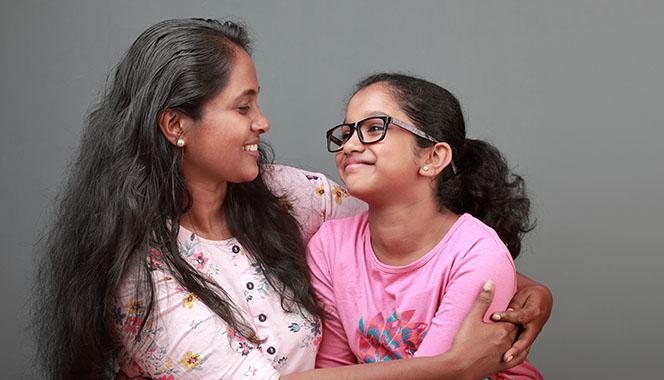
Friends make our life worth living and are a blessing, and children seem to have a natural ability to make friends. The enthusiasm and joy children exude when they are with their friends make us wonder if we must also become friends with our children.
Should parents be friends with their children?
The parent-child relationship is a special one. A positive parent-child bond plays a crucial role in raising confident and resilient children. A parent's role is to discipline and guide children. So, while being friends with your child may seem very attractive, numerous studies state that it's really not the best idea for parent or child for several reasons:
An unequal relationship
A parent-child relationship is unequal because parents are in a position of authority, are more knowledgeable, and exert more influence than the child. But the bond between your child and their friends is devoid of such inequalities or responsibilities.
A hindrance to discipline
Parents are responsible for setting the rules, for helping children behave appropriately, maintaining firm boundaries, giving them adequate freedom to explore and learn, encouraging them to become self-sufficient, and supporting them through their emotional distress. Friends neither play the role of parents nor do they enforce consequences when boundaries are crossed. So, when parents try to be 'cool' and become friends with their children, they will have to turn a blind eye to disciplining them.
Adult problems
Becoming their child's friend can lead parents to share unnecessary details of financial problems or relationship crises. But children aren't emotionally strong or mature enough yet to cope with such issues and can feel burdened by these problems. It also robs children of a carefree childhood.
Loss of authority
Although parents must share a warm, loving, and open relationship with their child, they must also ensure that their child accepts and respects their authority. But when parents and children become friends, children may assume they have the same power and authority as their parents.
How being approachable builds trust
So, how can you be a parent and yet share a warm relationship with your child? The answer lies in being a friendly parent. Here are some ways you can be one:
Be playful
In today's stressful and busy times, parents have almost forgotten that being playful with a child works like magic. Being playful is not about being childish. It's about being spontaneous. Injecting fun into any activity your child is engaged in or coming up with an imaginative play idea makes you a playful parent. Remember, it's about finding ways to enter your child's world, so you understand and connect with them better.
Tell stories
Is there a child who doesn't like listening to stories? Stories play a very important role in a child's growth and development. Storytelling helps establish bonds because you share experiences in the stories you tell. You can even share your previous day's experience as a story. This will teach your child that conversations can be more than just question-and-answer sessions about what happened in school or how they are doing in academics.
Use humor
Like adults, children also enjoy a dose of humor. So go ahead and laugh with your child to build a strong bond. Cracking a joke is also serious business. Listening to jokes brings out the fun and creates a relaxed atmosphere for sharing feelings, thoughts, and ideas.
Be loving and firm
Emotional and cognitive skills develop gradually and with firm guidance from parents. Thus, they require their parents to help them handle their emotions even as they correct them with firmness.
Understand that you can build a close, personal relationship with your child and remain a responsible parent. Be a responsive parent and stay connected to your child. That will help you become the best parent you can be.


























Comments
Edit
Comment Flag
Cancel Update